


Along your type 2 diabetes and prediabetes journey, you may have heard of an ingredient – maltodextrin; and wondered: does it raise blood sugar?
It’s no wonder it’s confusing as there are over 60 different names for various sugars – and maltodextrin happens to be one of them!
Obviously, understanding the impact of specific food ingredients on blood sugar levels is crucial.
So let’s shed light on what maltodextrin is, its impact on blood sugar, and the types of foods you’ll find it in.

What is Maltodextrin?
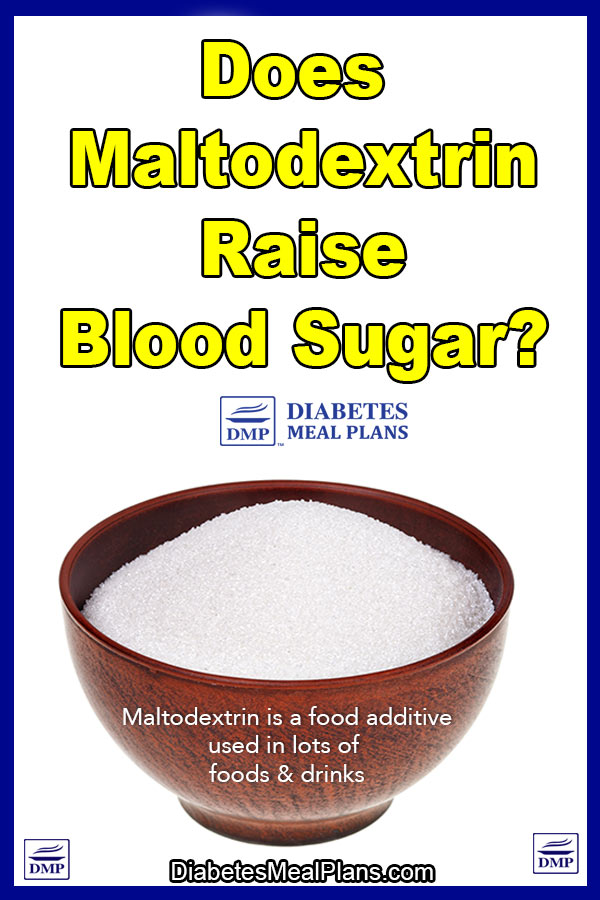
Maltodextrin is a highly processed polysaccharide (a type of carbohydrate) that is derived from starch.
It is commonly used as a food additive for its thickening and filler properties, often found in processed foods, sauces, and drinks. Its flavor is neutral, making it a versatile ingredient in the food industry.
Despite its widespread use, the impact of maltodextrin on blood sugar levels has been a point of concern, especially for people managing diabetes. And the concern is for good reason.
The Impact of Maltodextrin on Blood Sugar Levels
Due to its structure, maltodextrin is digested and absorbed into the bloodstream rapidly, which can lead to a quick increase in blood glucose levels.
Maltodextrin has a high glycemic index (GI), which again, means it can cause rapid spikes in blood sugar levels shortly after consumption.
Managing blood sugar levels is critical to prevent complications and maintain health. The high GI of maltodextrin means that it can potentially disrupt glycemic control, which isn’t a great thing for you.
In other words, maltodextrin is a type of carb/sugar that is best avoided, or at least minimized.
Common Maltodextrin-Containing Foods
Maltodextrin is commonly used in a wide variety of foods found in the supermarket.
Here are some common examples where maltodextrin can be found:
- Sports drinks – to improve texture and dissolve ingredients.
- Nutrition bars – helps bind ingredients and improve shelf life.
- Candy – provides a fat-like body, texture, and mouthfeel.
- Instant pudding mixes – acts as a thickener.
- Sauces and dressings – used to thicken or stabilize the product.
- Soups – for thickening and enhancing mouthfeel.
- Meal replacement shakes – serves as a carbohydrate source and thickener.
- Seasoning blends – used as a carrier for flavorings.
- Baked goods – helps retain moisture and extend shelf life.
- Snack foods – provides texture and flavor enhancement.
Always check food labels to avoid maltodextrin, and remember, ingredients are always listed in descending order based on the amount in a product.




Maltodextrin Different From Resistant Dextran
Don’t confuse another dextran for maltodextran, for instance, resistant dextran.
Unlike maltodextrin, which is a quick source of energy but problematic for blood sugar levels, resistant dextran is a type of soluble fiber known as resistant starch.
It is called “resistant” because it resists digestion in the small intestine and instead reaches the large intestine where it acts as a prebiotic.
In the large intestine, resistant dextran is fermented by the gut bacteria, producing short-chain fatty acids that can be beneficial for health. For this reason, resistant dextran is considered a functional food and it can be included in food or bakery products to enhance their dietary fiber content.
It does not spike blood sugar levels and can actually help in managing them, contributing to a lower glycemic response overall. Along with improving insulin resistance and decreasing inflammation.
Conclusion
Maltodextrin, a common food additive, can raise blood sugar levels due to its high glycemic index.
With diabetes, you need to carefully consider your intake of maltodextrin-containing foods as part of your dietary management strategy.
Always check food labels and try to avoid maltodextrin, especially if managing blood sugar levels is a concern.
Basing your eating plan around nutrient dense whole foods, with less processed foods is a key component for better blood sugar and better overall health, too!

Leave a Reply