


Whether you’re a coffee drinker or not, you’re surely aware of this very popular beverage enjoyed by millions of people around the globe.
Produced by brewing coffee beans, this caffeinated beverage traces it’s roots back to at least the 15th century in Arabia. At present, it is one of the top traded and highly valued agricultural commodities.
Here we’re going to explore coffee and diabetes – if it’s good for you to drink or not…
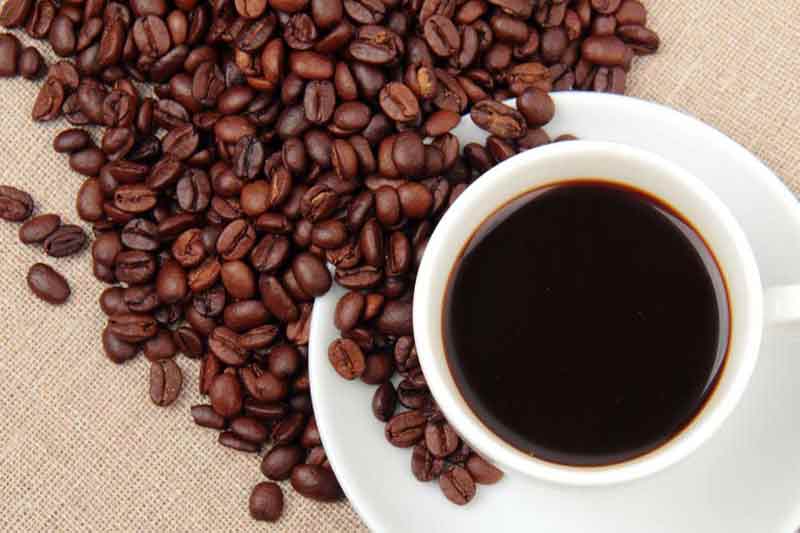
What is Coffee?
Coffee is produced by roasting beans, grinding them into a powder, and brewing the grounds through a filter via hot water.
There are various ways of doing this including drip, percolated, and french press. The way you choose to brew it is really your preference as there is little difference in nutrition benefits regardless of the method brewed.
While generally served hot, it is increasingly being served cold (referred to as “iced”) often with cream and/or sugar added – or in your case as a diabetic, a suitable sugar alternative.
Instant coffee consists of dried soluble grounds, which can be dissolved in hot water mimicking the taste of fresh brewed coffee.
Coffee Nutrition Facts
Calories in coffee are trace – meaning, you won’t be consuming many calories at all, that is, if you drink it black. Keep in mind anything you ADD to coffee might contain more calories – cream and sugar, for example.
It terms of vitamins and minerals, coffee contains (per cup):
- 11% Recommended Daily Value (RDA) vitamin B12 and riboflavin
- 6% RDA vitamin B6
- 3% RDA manganese and potassium
- 2% RDA magnesium and vitamin B3
…which isn’t too bad for a zero calorie drink!
One cup of coffee from standard grounds, using tap water, will contain about 40 mg caffeine but there is considerable variation depending on the bean, the brew and the concentration used.
Coffee and Tea Comparison
Coffee is very comparable to tea in that they are both brewed – one from beans, the other from leaves of a plant. They both contain no calories to speak of, yet boast of an array of antioxidants.
Coffee and tea nutrition comparison
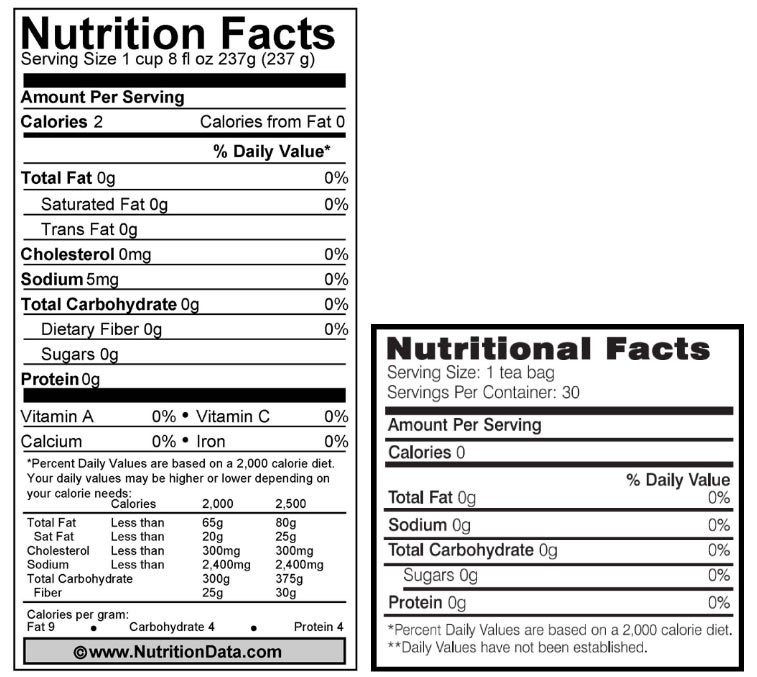
However, when things start to be added to the coffee itself, calories, sugar, carbs, fat–all can skyrocket very quickly.
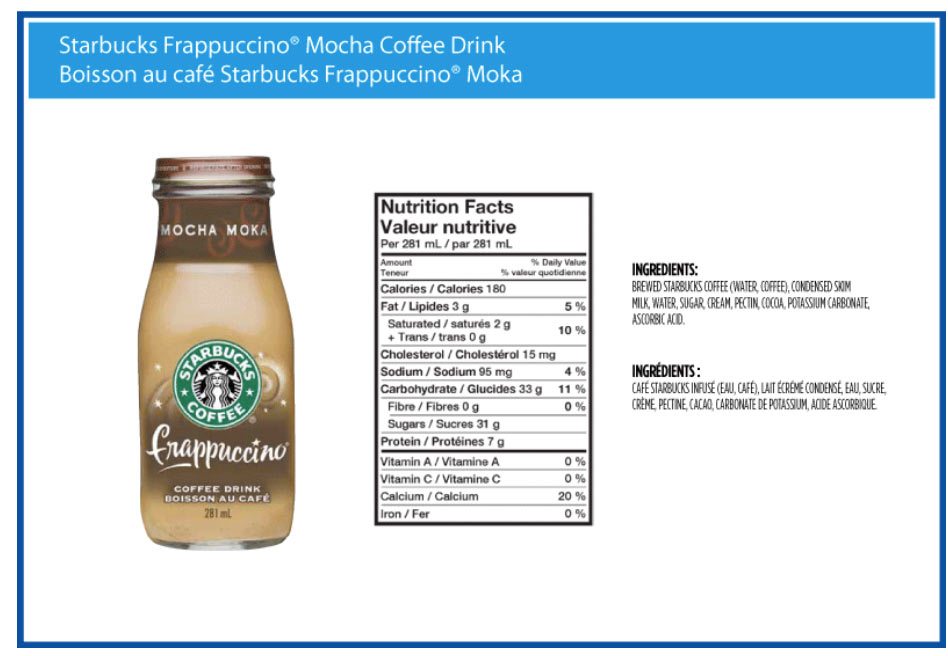
Take this Starbucks Frappuccino as an example, 33 g total carbs 31 g sugar. Now that will send your blood sugar levels through the roof!
Myths and Truths about Coffee
Coffee beans are actually seeds of berries, which explains their high antioxidant content. They come from the Coffea plant…so drinking coffee is kind of like eating fruit…ok not so much. ;-)
Although coffee beans are sources of carbohydrates that break down further into sugars during roasting, since they are brewed and not consumed themselves, the coffee does not have any calories or carbs to speak of.
Research about Coffee and Diabetes
Both regular and decaf coffee have been shown to reduce risk of type 2 diabetes by up to 14% with one cup per day.
And the good news if you have type 2 diabetes, coffee can effectively reduce blood sugar and insulin levels, help decrease triglycerides and reduce fatty liver disease.
That said–before you go running out to the kitchen to brew a pot–other studies have shown an increase in blood glucose (16-28%) and insulin (19-48%) following caffeine consumption, but no alterations in A1c (though this effect was not noted in decaf coffee).
How can we explain this discrepancy?
It may be the case that because everyone’s body and metabolism is somewhat different, the effect of caffeine is variable – it may help you lower blood glucose, while in another person it may increase it.
It may also be an issue of habituation – those who habitually drink coffee may experience more benefits than those who are starting off. It may be related to the hormone adrenaline that accompanies the immediate response to caffeine consumption, which also raises blood glucose immediately, but then is balanced out over the long run.
Coffee provides antioxidants and anti-inflammatory biomarkers that provide health benefits for type 2 diabetics.
Coffee intake has been associated with prevention of cognitive function decline and reduced risk of cancer.
In addition, coffee has been shown to be effective at burning fat, increasing metabolic rate by 3-11% – although this varies from person to person and seems to be a bit higher in lean individuals than in obese.
Furthermore, caffeine in coffee breaks down body fat into free fatty acids, which can then be burned for energy. It can also improve energy for exercise.
Finally, coffee is a rich source of antioxidants and anti-inflammatory biomarkers, which explains many of it’s health benefits..
So is Coffee Good for Diabetics?
If you are a coffee drinker, it seems this is one thing you DON’T have to give up!
Hooray, you can enjoy your coffee!
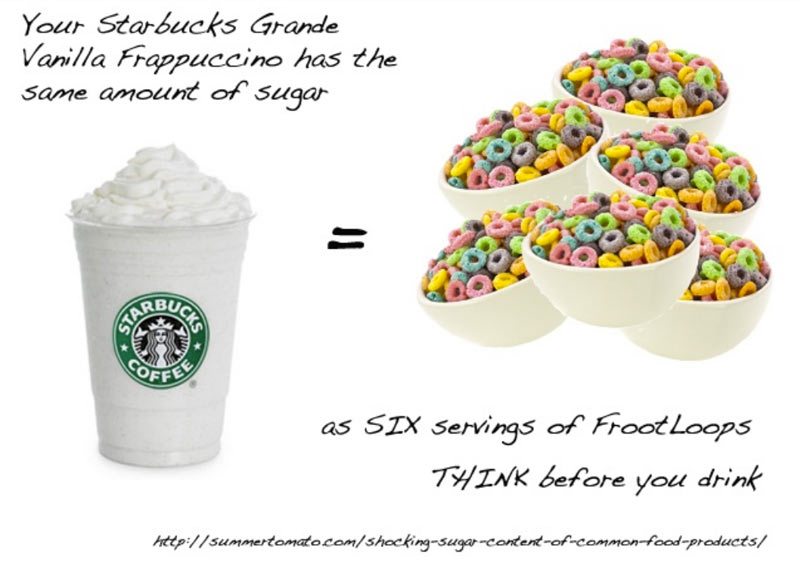
However, if you are a Starbucks mocha/latte/chocolate syrup coffee drinker, your daily drinks will not help you maintain healthy glucose control.
While coffee itself seems to provide a lot of benefits, the stuff you put in coffee may not. Sugar for instance is simply “empty liquid calories.”
While studies vary, there seems to be a dose dependent response in that each cup of coffee lowers diabetes risk by around 7% up to 4-6 cups. After this point, there seems to be a diminishing of the health benefits and increased likelihood of side effects because of excess caffeine intake.
If you don’t drink coffee already and intend to start, progress gradually and monitor your blood sugar more frequently.
Happy drinking!





Please pin, tweet or share this info to help others. Thanks!

Susan
I drink coffee with cream in it, no sugar. Will the cream affect my glucose or A1c?
Malorie: Dietitian (MS, RD, CLT)
Hi Susan, This will depend on what type of cream you are using and how much. Is it a sweetened creamer? Half and half? 1 tablespoon of half and half creamer contains 0.6g sugar which would not impact your blood sugars. However, 1 tablespoon of your average french vanilla creamer contains 5g sugar (which is a little over 1 tsp of sugar).
Susan
It’s half and half. I tend to make a big cup in the morning and then sip on it all day.
I noticed in the research section above that studies showed an increase in blood glucose and insulin following caffeine consumption. I was wondering if my slow steady trickle might be keeping both of those slightly elevated. It says this effect was not noted in decaf – does that mean decaf didn’t raise glucose and insulin or that A1c was affected? And does decaf help with triglycerides and fatty liver, or just caffeinated?
Thanks for sharing these types of articles, I quite enjoy them.
Malorie: Dietitian (MS, RD, CLT)
The half and half has a negligible amount of carbohydrates so would not impact your blood glucose if you were consuming a typical serving (1 tablespoon).
It is hard to say whether or not how long it takes you to drink your coffee would raise your blood sugar. As mentioned in the article, there are many factors that impact how we metabolize caffeine.
The decaf coffee was not noted to impact glucose, insulin, or A1. It was the caffeine itself that was studied.
In the study that looked at coffee and fatty liver disease the authors noted compounds other than caffeine that may help reduce the risk so decaf may still provide the same benefits. With regards to triglycerides, it was unclear in the study whether or not decaf would have a similar impact.
Kailasam
I take Coffee with milk and sugar, is it okay. The benefits narrated are by only coffee decoction or with milk and sugar, it’s not clear.
Dr Jedha
Kailasam, if you’re living with diabetes it’s best to avoid sugar. The benefits refer to black coffee only and it matters how you take it. Milk fine; sugar avoid.
susan christopher
thanks