


Table of Contents[Hide][Show]
If you’ve been wondering whether pecans fit into your diabetes diet, the answer is absolutely yes!
Pecans, native to North America, are not only a delicious addition to various dishes but also pack a nutritional punch that can be particularly beneficial for type 2 diabetes and prediabetes.
Rich in healthy fats, fiber, vitamins and minerals, pecans offer a range of health benefits that may aid in blood sugar control and overall metabolic health.
Let’s look closer at the nutrition facts for pecans and their benefits for diabetes.

Nutritional Profile of Pecans
A one-ounce (~28 gram) serving of pecans provides:
- Calories: 196
- Total Fat: 20 grams
- Monounsaturated Fat: 12 grams
- Polyunsaturated Fat: 6 grams
- Protein: 2.5 grams
- Carbohydrates: 4 grams
- Dietary Fiber: 2.7 grams
- Sugars: 1.1 grams
- Magnesium: 34 milligrams
Pecans provide lots of appetite-satisfying heart-healthy monounsaturated fat, 12 grams per serve.
They are also low in available carbohydrates, 1.3 grams net carbs per serve, high in dietary fiber and rich in essential minerals like magnesium.
All of these factors make pecans nutrient-rich and a great addition to anyone’s eating plan. But for diabetes, pecans offer proven health benefits.
Improve Insulin Function and Insulin Sensitivity
One study took people with type 2 diabetes or at high risk of cardiovascular disease and did a controlled feeding trial over 12 weeks where calories were matched but one group had ~1.5 oz (42.5 g) of pecans included in their meal plan daily.
The researchers found that the pecan-enriched diet significant improved insulin resistance, lowered fasting insulin levels and boosted beta-cell function in the pancreas.
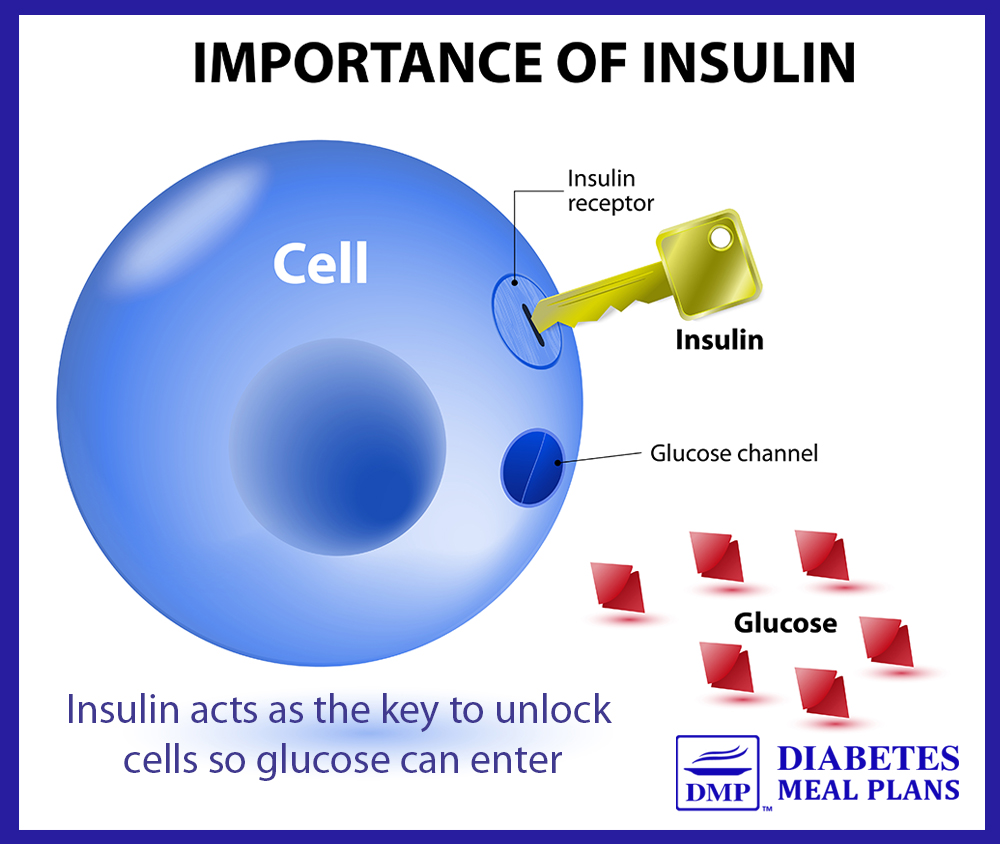
For you that means better blood sugar levels because insulin is the key hormone that helps and when your insulin-uptake cells are functioning effectively, glucose/sugar moves out of your bloodstream quicker, efficiently.
Lower Postprandial Blood Sugar Levels
Research has shown that snacking on 1.25 oz (35g) of pecans as a mid-morning snack, instead of a higher carb snack like tortilla corn chips can lower postprandial (after-meal) blood sugar levels.
Reducing your postprandial levels, keeping them under 140 mg/dL (7.8 mmol/L) 2-hours after meals can help you lower A1c levels, and reducing blood sugar spikes with snacks is a very effective strategy, which makes pecans a fabulous choice to improve blood sugar and A1c levels.
Reduce Inflammation; Promote Healthier Metabolism
Pecans are packed with healthy monounsaturated fats that can support improved diabetes health.
Oleic acid is a component of the monounsaturated fats in pecans, which has powerful effects to help reduce inflammation in the body, support a healthier gut, and improve how the body processes glucose.
This means pecans may help stabilize blood sugar, improve metabolism, and even boost energy use, making them a smart choice for daily consumption.





Support Better Cholesterol Levels
When people at risk of heart disease were tasked to eat 2.4 ounce (68 g) of pecans daily for 8 weeks, it had a big effect of cholesterol levels.
Daily pecan consumption lowered total cholesterol levels, LDL cholesterol, triglycerides, TC/HDL cholesterol ratio, and apolipoprotein B, which is a powerful combination to improve cardiovascular health.
Pecan Mechanisms Supporting Improved Health
Several components in pecans contribute to their positive effects on diabetic health:
- Healthy Fats: The predominance of monounsaturated fats in pecans helps improve insulin sensitivity and may reduce the risk of type 2 diabetes.
- Dietary Fiber: Fiber slows the absorption of carbohydrates, leading to a more gradual rise in blood glucose levels post-meal. The fiber in pecans also promotes satiety, aiding in weight management—a crucial aspect of diabetes control.
- Magnesium: This mineral plays a vital role in carbohydrate metabolism and insulin action. Adequate magnesium intake is associated with a lower risk of developing type 2 diabetes or prediabetes.
Incorporating Pecans into a Diabetes-Friendly Diet
As we’ve seen by the research, adding 1-2.4 ounces (28-68g) of pecans to your daily eating routine can be both enjoyable and incredibly beneficial.
Here are some practical tips:
- Snacking: A small handful of raw or lightly roasted pecans makes for a satisfying snack rich in healthy fats and fiber, and is one of the easiest and best ways to eat pecans.
- Salad Topping: Sprinkle chopped pecans over salads to add a crunchy texture and enhance nutrient density.
- Yogurt Topper: Incorporate pecans into your morning yogurt or cereal for sustained energy release.
- Baking: Use pecans in baking recipes to boost nutritional value.
Conclusion
Incorporating pecans into your diabetes diet can be a delicious and effective strategy for boosting type 2 diabetes and prediabetes health.
Their rich content of healthy fats, fiber and essential minerals supports improved insulin sensitivity, reduces inflammation, improves blood sugar control and helps to lower cholesterol levels.
Try adding a small handful of pecans to your daily routine for all the benefits they have to offer.

Caroline
Do we have them in Kenya? I have never heard of them.
What would be a substitute?
Dr Jedha
Most nuts have powerful health properties Caroline – so choose a nut local to your area!