


If you’re living with type 2 diabetes or prediabetes, you might be wondering whether ramen noodles can fit into your eating plan.
Ramen is a popular comfort food, but its nutritional profile raises concerns for blood sugar control.
Here, you’ll learn how ramen noodles affect blood glucose, what the science says, and what other noodle options you have to keep blood sugar and A1c healthy.

What Are Ramen Noodles?
Ramen noodles are a type of instant noodle made from wheat flour, water, salt, and an alkaline mineral water called kansui, which gives them their distinct texture and yellow color.
They are typically sold in dried blocks with a seasoning packet and are known for their quick preparation.
While convenient, traditional ramen noodles are highly processed and often lack essential nutrients.
They are primarily composed of refined carbohydrates and are low in fiber and protein, which can lead to rapid digestion and blood sugar spikes.
Ramen Noodle Nutrition Facts
A typical serving of instant ramen noodles (one block / about 85 grams) contains:
- Calories: 380
- Carbohydrates: 54 grams – wow that’s super high!!
- Fiber: 2 grams
- Protein: 9 grams
- Fat: 14 grams
- Sodium: Up to 1,800 mg!
The high carbohydrate content, particularly from refined wheat flour, can cause rapid increases in blood sugar levels.
Additionally, the super high sodium content can contribute to high blood pressure, a common co-problem in diabetes.





Comparison to Other Noodles
Not all noodles have the same impact on blood sugar. Here’s a chart with some other noodle varieties:
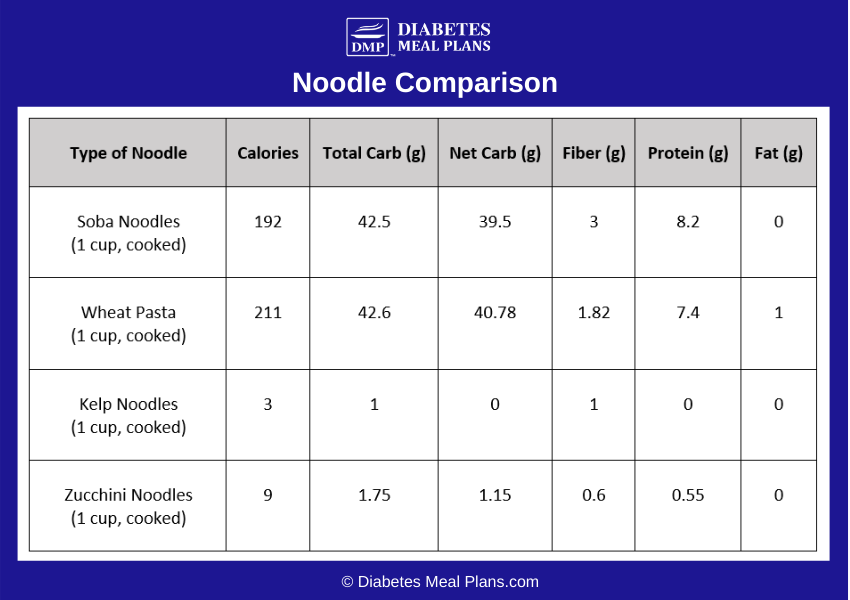
Most noodles are unfortunately high in carbohydrates. As you can see, soba noodles and wheat pasta are both around 40 grams carbs, that’s a lot for one meal!
But there are low carb alternatives, and these are the ones you want to choose.
Shirataki noodles, made from the konjac plant, are one alternative. They are low in carbohydrates and calories and have a minimal impact on blood sugar levels. Give these Mustard Chicken Noodles a try.
Zucchini noodles are another low carb option, rich in fiber and nutrients to stabilize blood sugar and A1c levels, while still being deliciously enjoyable. Purchase a spiralizer and make your own noodles. Try this Pesto Chicken Zoodle dish.
That’s just two examples. The good thing to know is there are always replacements for favorite foods, so while ramen might be out, other types of noodles can still fit within your diabetes diet plan.
Research on Ramen Noodles and Diabetes
There isn’t a great deal of research specifically on ramen noodles, simply because we know it’s a high carb food that impacts blood sugar – so there’s no obvious reason to study this food.
However, one study found that frequent consumption of instant noodles was associated with an increased risk of cardiometabolic syndrome, particularly in women.
Cardiometabolic syndrome includes conditions like insulin resistance, hypertension and high cholesterol, which are risk factors for type 2 diabetes and worsen type 2 diabetes as well.
These findings suggest that regular consumption of traditional instant ramen noodles may not be advisable for people with diabetes or prediabetes.
Conclusion
Traditional ramen noodles are not a diabetes-friendly option due to their high carbohydrate and sodium content.
Choosing lower carb noodle alternatives and focusing on balanced meals with with protein and fiber-rich ingredients will be far better for your blood sugar levels and to lower A1c without medication.

Leave a Reply