


Table of Contents[Hide][Show]
Carb counting has been standard diabetes advice for decades, but if it worked as well as many people hoped, far fewer people would still be struggling with high blood sugar, rising A1c, weight gain, and frustration.
In this episode, Dr Jedha explores why carb counting became mainstream, where it often falls short, and why understanding the overall carbohydrate burden on the body is far more important than simply counting numbers on a page.
LISTEN TO THE PODCAST
Support the podcast by leaving a 5-star rating and review on Apple, Spotify or our Website – Thank You!
Why Is Carb Counting Important for Diabetes?
If you’ve ever been told to “just count your carbs” after being diagnosed with type 2 diabetes or prediabetes, you’re certainly not alone.
Carb counting has been one of the most common pieces of diabetes nutrition advice for decades. The reason is actually very simple: carbohydrates have the single biggest impact on blood sugar levels compared to any other nutrient we eat.
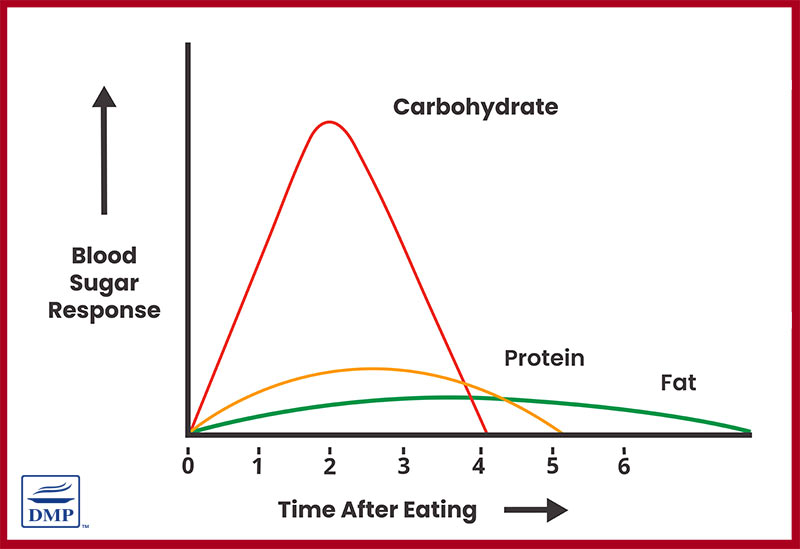
When you eat carbohydrate foods like bread, rice, pasta, cereal, potatoes, fruit, sugary foods, or even many “healthy carbs,” the body breaks those carbohydrates down into glucose, which then enters the bloodstream and raises blood sugar levels.
This is not new information. In fact, diabetes guidelines have acknowledged for a very long time that the total amount of carbohydrate consumed is a major predictor of blood sugar response.
So on the surface, carb counting makes complete sense.
But here’s the problem.
Many people count carbohydrates very carefully… and still struggle with high blood sugar, elevated A1c, weight gain, cravings, rising medications, and frustration.
Why?
Because carb counting, on its own, is often incomplete.
The History of Carb Counting
Carb counting became mainstream because healthcare providers recognized that carbohydrates directly influence blood sugar. Over time, systems such as carbohydrate exchanges, carb choices, food label tracking, and portion counting became standard approaches in diabetes education.
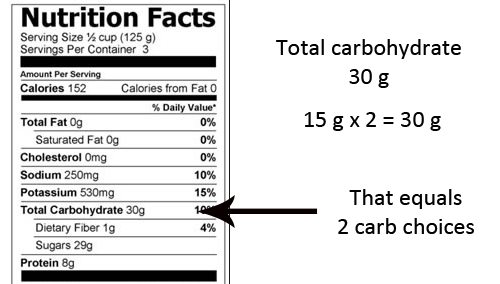
The idea was simple: you could continue eating carbohydrates, as long as you carefully monitored and distributed them throughout the day.
And while this approach helped create awareness, it also shifted the focus toward “managing carbohydrates” rather than asking a more important question:
How much carbohydrate can the body actually tolerate while maintaining healthy blood sugar levels?
That’s a very different conversation.
Historically, many people with type 2 diabetes were encouraged to eat relatively high carbohydrate diets, often including cereals, bread, rice, pasta, grains, and frequent snacks. Carb counting simply became a tool to manage these foods within the diet.
But for many people with insulin resistance, the overall carbohydrate load remained far too high.





Why Carb Counting Often Fails
One of the biggest problems with carb counting is that you can count carbs perfectly and still eat too many carbohydrates for your body.
Someone may carefully track:
- breakfast cereal
- wholegrain toast
- rice
- oats
- wraps
- crackers
- fruit
- snack bars
…yet still experience elevated blood sugar because the total carbohydrate intake remains too high overall.
This is where many people become confused and discouraged.
They think: “I’m following the advice. Why aren’t my numbers improving?”
But counting carbohydrates does not automatically mean lowering carbohydrates.
Another issue is that traditional carb counting systems can reduce food down to nothing more than numbers on a page: 15 grams here, 30 grams there, one carb choice, two carb choices.
Meanwhile, food quality and the overall metabolic impact of the diet can get lost in the process.
Type 2 diabetes and prediabetes are not simply math problems. They involve insulin resistance, altered metabolism, inflammation, hormonal signaling, and impaired glucose regulation.
And that’s why focusing only on counting can sometimes miss the bigger picture entirely.

The Bigger Shift: Lowering Carbohydrates Appropriately
At DMP and within the T2Diet Approach, we absolutely believe carb awareness is important.
Understanding:
- where carbohydrates come from,
- how foods affect blood sugar,
- and how much carbohydrate you are eating
…can be incredibly valuable.
But awareness alone is not the goal.
The goal is improving blood sugar control, lowering A1c, reducing glucose spikes, improving insulin resistance, and supporting overall metabolic health.
And to achieve that, many people need to lower their overall carbohydrate intake, not simply count it.
This does not mean following an extreme “no carb” diet or severely restricting food intake.
In fact, overly restrictive dieting often fails long term.
Instead, the T2Diet Approach focuses on building meals around:
- quality protein,
- non-starchy vegetables
- healthy fats
- nutrient-dense whole foods
- and appropriate carbohydrate intake based on individual needs.
When meals are built this way, blood sugar often becomes easier to manage naturally.
Many people notice:
- improved energy
- fewer cravings
- better hunger control
- weight improvements
- and more stable blood sugar levels
Understanding Your Body Matters
One of the most important shifts people make is learning to recognize patterns and make informed adjustments.
For example:
- noticing how certain foods affect blood sugar
- understanding the impact of sleep and stress
- recognizing how timing of meals or exercise influences fasting glucose
- or identifying when overall carbohydrate intake is simply too high
This is where the conversation moves beyond “just count carbs.”
Because successful diabetes management is not about obsessing over numbers forever.
It’s about understanding how your body responds and creating a sustainable eating pattern and an evironment that supports healthier metabolic function over the long term.
Once people finally understand carbohydrates properly, so much of diabetes starts making more sense!
FAQ on Carb Counting
Should Diabetics Count Carbs or Net Carbs?
For most people with type 2 diabetes or prediabetes, counting net carbs can be a practical way to monitor carbohydrate intake.
Net carbs are calculated by subtracting fiber from total carbohydrates because fiber has little impact on blood sugar levels.
The goal is to understand your overall carbohydrate intake and how it affects your blood sugar, rather than becoming obsessed with exact numbers.
Do Diabetics Count Fiber as Carbs?
Technically, fiber is included in the total carbohydrate amount on food labels. However, because fiber is not fully digested and has minimal impact on blood sugar, many people subtract fiber when calculating net carbs.
Higher-fiber foods can often support better blood sugar control, improve fullness, and contribute to overall health.
Do You Subtract Sugar Alcohols from Carbs?
Sugar alcohols are a little more complicated. Some sugar alcohols have a smaller impact on blood sugar than regular sugar, while others can still raise blood glucose to some degree.
As a general rule, it is recommended to focuson whole, minimally processed foods rather than relying heavily on products marketed as “low carb” or “sugar free.“
If you regularly eat foods containing sugar alcohols, monitor your blood sugar response and let your own results guide you.
Transcript
CLICK TO VIEW
Dr Jedha, Host
Hello there and welcome to episode 122. Today we’re tackling one of the most common pieces of advice people with type 2 diabetes or prediabetes are given: “Just count your carbs.”
Of course, you’ve probably heard carbohydrates talked about countless times in relation to diabetes. But if you’ve been feeling confused by all the conflicting advice around carbohydrates and blood sugar, trust me, you are not alone.
Together today, we’re going to explore why carb counting became mainstream, where it falls apart, why so many people still struggle with blood sugar despite counting carbs, and what actually works better in the real world.
Because carb counting, on its own, was never really the full solution.
Before we can properly talk about carb counting though, we first need to establish something incredibly important. Why are carbohydrates even such a big deal in diabetes in the first place? And the answer is actually very straightforward.
Carbohydrates have the single biggest impact on blood sugar levels compared to any other nutrient we eat. This is certainly not new information. It’s been a central part of diabetes guidelines and diabetes management for decades.
When you eat carbohydrate foods — whether that’s bread, rice, pasta, cereal, potatoes, fruit, sugary foods, or even so-called “healthy carbs” — the body breaks those carbohydrates down during digestion into simple sugars, primarily glucose, which then enters the bloodstream. And remember, blood sugar and blood glucose mean the same thing.
So when glucose enters the bloodstream after eating carbohydrates, blood sugar levels rise. Now in somebody without diabetes, the body is generally able to regulate that process effectively. Insulin helps move glucose out of the bloodstream and into the cells where it can be used for energy. But in type 2 diabetes and prediabetes, that system is impaired, most commonly because of insulin resistance. The body’s cells struggle to handle the incoming glucose load efficiently.
So if someone is regularly consuming large amounts of carbohydrates, blood sugar levels remain elevated more often, insulin levels remain elevated more often, and over time that contributes to worsening metabolism and various functions throughout the body becoming off balance, blood sugar regulation gets affected, but so too does cholesterol, weight, liver health and other things.
This is exactly why carbohydrates matter so much in diabetes management. And this is also why I get frustrated when carbohydrates are treated like some optional side topic in diabetes care. They are central to proper diabetes management, to effective diabetes treatment. Even the diabetes guidelines themselves acknowledge this.
Back in 2005, the ADA guidelines stated: “The total amount of carbohydrate consumed is a strong predictor of glycemic response.” That is an incredibly important statement.
Because what it tells us is this: The total amount of carbohydrate matters.
Not just the sugar content. Not just whether something is wholegrain. Not just whether it’s low GI. The total amount matters. And this is where I think many people get led astray.
Because they’re often encouraged to focus on things like:
- choosing “healthy carbs” – whatever that means based on who is telling the story, a story that’s often not based on evidence.
- Or another common one is switching to wholegrains,
- Or being told to look only at sugar on food labels,
Yet all the while, many people are still consuming very large amounts of carbohydrate overall, often without enough protein, fat, and fiber to help balance blood sugar. And ultimately, the body still has to process all of that glucose. And this is something I’ve talked about many times before on the podcast: all carbohydrate foods influence blood sugar levels, not just sugar itself.
That’s why someone can switch from white bread to wholegrain bread and still struggle with blood sugar. Whether a food is white or brown, the impact on blood sugar is the same in many instances. Or swapping sugary cereal for oats, that’s another common one, yet people still see elevated blood sugar readings. Because while food quality absolutely matters — and we’ll talk about that later — the overall carbohydrate load still matters enormously. And honestly, I think this is one of the biggest missing pieces in mainstream diabetes nutrition advice.
We spend so much time talking about the type of carbohydrate…But not nearly enough time talking clearly and honestly about the amount.
And this goes to the very heart of the issue and that is the diabetes guidelines themselves, and we’re talking medical care guidelines that come out every single year since 1989 by the American Diabetes Association, and replicated globally without much variation.
Let me just say bluntly, that the guidelines are incredibly vague and this is where things start to get really frustrating.
Because if we know carbohydrates have the biggest impact on blood sugar… and we know the total amount of carbohydrate matters… then why are the guidelines still so vague about how much people should actually eat? Honestly, I think this is one of the biggest problems in diabetes nutrition today.
For years now, the guidelines have continued to say things like: “There is no ideal amount of carbohydrate intake for people with diabetes.”
Or: “Studies examining the optimal amount of carbohydrate are inconclusive.”
On the surface, that sounds reasonable. It sounds balanced and cautious and individualized.
But then in the very same guidelines, they also acknowledge this:
“For people with type 2 diabetes, low-carbohydrate and very-low-carbohydrate eating patterns have been found to reduce A1C and the need for antihyperglycemic medications.”
Boom. There’s the contradiction.
Because if lower carbohydrate eating patterns consistently improve blood sugar AND reduce medication requirements… then surely we can provide people with clearer guidance around that. Instead, what we’ve ended up with is years of vague messaging, which doesn’t help anyone sitting at home trying to lower their A1c.
Honestly, I think the wording in the guidelines over the years has often been overly cautious because they’re trying to cater to every possible dietary philosophy at once. They don’t want to upset the low-fat camp. They don’t want to upset the plant-based camp.
They want flexibility and inclusivity. And while I understand that from a policy perspective, the end result is that people with diabetes are left confused.
Because the message becomes: “Carbohydrates matter enormously… but we can’t really tell you how much reduction is best.”
…Yet…the evidence keeps pointing in the same direction. Reducing overall carbohydrate intake improves blood sugar AND reduces medications. Not in theory. Not just in small isolated studies.
We’ve now seen this repeatedly across randomized controlled trials, systematic reviews, and real-world clinical practice. And this is exactly why I became so passionate about developing the T2Diet Approach and did the T2Diet Study randomized controlled trial. Because I was seeing people trying so hard to follow the standard advice… counting carbs… choosing wholegrains… eating low glycemic index, following “balanced plate” recommendations… And still struggling with high blood sugar, weight gain, rising medications, and frustration.
At some point, we have to stop pretending the vague advice is working well enough. Overall, it’s not.
Let’s just touch on the history of carb counting, where did it actually come from? Long before modern diabetes medications even existed, doctors already understood the connection between carbohydrate intake and glucose control. Back in the early 1900s, low-carbohydrate eating was actually a standard part of diabetes management. But over time, things shifted. Particularly from around the 1970s and 1980s onward, nutrition guidelines moved heavily toward low-fat, higher-carbohydrate eating patterns. Carbohydrates became a very strong foundation of the diet. At the same time, fat was heavily demonized.
And instead of asking: “Should we reduce carbohydrates for diabetes?”
The focus became: “How do we manage carbohydrates within a high-carb diet?”
And that’s really where carb counting exploded.
We saw the development of:
- carbohydrate exchanges,
- carb choices,
- standardized meal plans,
- food label systems,
- portion-based carb tracking.
The idea was essentially this: You could continue eating carbohydrates… as long as you carefully monitored and distributed them throughout the day.
And on paper, that approach sounds reasonable. But here’s the problem. Carb counting became more about managing carbohydrate exposure… rather than reducing the overall glucose burden on the body. And I think that distinction is incredibly important.
Because there’s a very big difference between: managing a high carbohydrate diet…and actually improving insulin resistance, improving cellular function, improving metabolism.
What often happened was this: People learned how to “fit” carbohydrates into their day. And technically, they were “counting carbs.” But they were still consuming huge amounts of glucose-driving foods across the entire day. So yes, carb counting helped create awareness. And I do think awareness is valuable. Most people have absolutely no idea how many carbohydrates they’re actually eating until they start looking properly. But awareness alone isn’t enough if the overall amount is still far too high for somebody to balance or reduce blood sugar and A1c. And this is where I think carb counting, by itself, became an incomplete strategy for type 2 diabetes and prediabetes.
Because the conversation should never have only been: “How do we count carbs?”
The bigger question should have been: “How much carbohydrate can the body actually tolerate while maintaining healthy blood sugar levels?”
And honestly, that’s a very different conversation.
Now, I also want to draw your attention to something else. Carb counting can be helpful. It is based on real science. But still so many people still struggle.
And this is really the heart of the issue. Because carb counting, on its own, often doesn’t lead to the outcomes people are hoping for. Not because carb counting is wrong. But because it’s incomplete. And I think there are several major reasons why it fails so many people with type 2 diabetes and prediabetes.
The first is this: You can count carbs perfectly… and still eat too many carbs. That’s the big one. Someone might be meticulously tracking every gram: breakfast cereal, wholegrain toast, rice, fruit, crackers, snack bars, wraps, oats. They might know their carb numbers down to the gram. But if the total carbohydrate load is still very high, even if they are choosing low GI or “healthy whole grains” – blood sugar remains elevated.
And this is where many people get incredibly frustrated. Because they think:
“I’m following the advice. Why aren’t my numbers improving?” But counting carbohydrates doesn’t automatically mean lowering carbohydrates. And that distinction matters enormously.
The second issue is that carb counting often treats all carbohydrates too similarly. Now don’t get me wrong, all carbohydrates influence blood sugar to some degree. We established that earlier. But there’s still a huge difference between many carbohydrate foods, and as a food group there are a lot of carb-based foods. And the thing is that traditional carb counting systems can sometimes reduce food down to nothing more than numbers on a page. Fifteen grams here. Thirty grams there. One carb choice. Two carb choices. Meanwhile, food quality and overall impact on your body’s metabolism can get lost in the process. And that matters. Because type 2 diabetes and prediabetes isn’t just a math problem. It comes down to an altered metabolism, an imbalance in the body’s cellular systems, a metabolic problem. That can be missed entirely if the only goal is to “count carbs.”
The third issue is portion distortion.
Many people dramatically underestimate how many carbohydrates they’re actually eating. Serving sizes on packets are often tiny and unrealistic. Someone might look at a food label and think: “Oh, this only has 20 grams of carbs.” But then realize the tiny packet contains three servings. Or they pour cereal into a bowl and unknowingly eat double or triple the recommended serving size. And this becomes incredibly easy to do in a food environment dominated by processed carbohydrates. Because processed foods are engineered to be easy to overconsume.
And then there’s another major issue I see all the time. People become obsessed with counting…instead of understanding. What I mean by that is this: Carb counting can turn into a numbers game where people lose sight of the bigger picture.
Instead of asking: “How do I improve my blood sugar and insulin resistance?”
The focus becomes: “How do I fit more carbs into my allowance?” I think for many people …carb counting became more like accounting than treatment…. Ticking boxes. Adding numbers. Trying to make the diet “work.”
But still experiencing:
- rising A1c,
- increasing medications,
- weight struggles,
- blood sugar spikes,
- and frustration.
And perhaps the biggest issue of all is this: Many people were never properly taught that lowering overall carbohydrate intake itself is one of the most powerful tools we have for improving blood sugar control. Instead, the focus stayed on “managing carbs” rather than meaningfully reducing them. And that’s a completely different approach.
There’s a huge difference between: trying to control blood sugar while eating a high-carb diet…versus reducing the very nutrient that drives blood sugar the most. That’s the shift that changes everything.
So this brings us to what I believe is the far more important conversation.
Not: “How do we count carbohydrates?”
But: “How do we reduce the overall carbohydrate burden on the body in a practical, sustainable, healthy way?”
Because once you understand that carbohydrates are the major driver of blood sugar… the next logical question becomes: How much carbohydrate does your body actually tolerate well?
And this is where the T2Diet Approach is very different from the standard “just count your carbs” advice. At DMP, we absolutely use carb awareness.
I think it’s incredibly valuable for people to understand:
- where carbohydrates come from,
- how much they’re eating,
- how foods affect their blood sugar,
- and what patterns are helping or hurting them.
That awareness is powerful. But awareness alone isn’t the goal.
The goal is improving blood sugar control, improving insulin resistance, reducing glucose spikes, lowering A1c, reducing medication dependence where appropriate, and improving overall metabolic health.
And to achieve that, we generally need to lower the total carbohydrate load. That’s the key difference. For many people, simply reducing carbohydrate intake between 50-100 grams per day can significantly improve blood sugar. That’s exactly what we tested in the T2Diet Study clinical trial where participants lowered A1c by almost 1% on average over 16 weeks, along with losing 9.6 pounds or 4.36kg, and 87% of people reduced medication.
The T2Diet Approach is not about obsessively counting every gram forever. It’s not about turning food into mathematics. And it’s certainly not about fear around food. It’s about creating a structured eating pattern that naturally stabilizes blood sugar. We focus on building meals around foods that support better blood sugar control in the first place.
And when you build meals that way, something interesting happens. Blood sugar often becomes easier to manage naturally. Hunger improves. Cravings improve. Energy stabilizes.
People feel more satisfied. And many people find they no longer need to constantly think about food all day long. This is also why I don’t like the idea that lowering carbohydrates automatically means “restriction” or some extreme fad diet. We’re certainly not talking about a no carb or carnivore approach, or limiting carbohydrate foods so strictly that it becomes incredibly difficult to maintain. Restriction doesn’t work. “Dieting” itself doesn’t work. So even where people lower carbs they still often miss important parts of the puzzle.
What I do know, as I’ve seen it time and time again over more than a decade is that constantly fighting high blood sugar, hunger, medications, and living with the frustration of getting nowhere, despite thinking you’re doing everything “right” – it’s a common problem, a problem that my T2Diet Approach helps to solve.
The T2Diet Approach was developed to move beyond vague advice and create a clear, evidence-based system people can actually follow in real life. We help our members understand carbohydrates. Reduce them appropriately. Build better eating patterns. Improve food quality. Focus on nutrition. And create an environment where blood sugar becomes easier to control naturally. Help restore a healthier metabolism where everything improves – not just blood sugar, but cholesterol, weight, blood pressure and the ability to reduce medication dependence. And that’s incredibly powerful.
At the end of the day, the takeaway is this — carbohydrates do matter enormously in diabetes. But simply counting them without understanding the bigger picture of how your body functions, that’s what often leaves people stuck. The real shift happens when you begin creating an eating pattern that naturally supports stable blood sugar, improved insulin resistance, and better overall metabolism.
That’s what the T2Diet Approach is really about. Not perfection. Not restriction. Not obsessing over numbers. But understanding how food affects your body and using that knowledge to create meaningful, sustainable improvements in your health. And honestly, once people finally understand carbohydrates properly, so much of diabetes starts making sense, and that’s why our members continuously see amazing results. The results are the end goal – having a clear path to get there is the missing part of the puzzle for most people.
Alrighty then, that’s all from me today.
Dr Jedha, over and out.

Subscribe to Type 2 Diabetes Talk on: Apple | Spotify | Amazon Music | Audible | YouTube | Podcast Index | Player FM | and more…