


Table of Contents[Hide][Show]
- LISTEN TO THE PODCAST
- CHAPTERS
- Overview
- 1. Herbal Teas
- 2. Black and Green Tea
- 3. Oolong Tea
- 4. Coffee
- 5. Vegetable Juice
- 6. Milk
- 7. Sparkling Water
- 8. Infused Water
- 9. Kombucha
- 10. Kefir
- 11. Smoothies
- 12. Store-Bought Drinks
- Special Considerations Regarding Diabetic-Friendly Drinks
- What Can Diabetics Drink Besides Water?
- Transcript
Water is obviously the best hydration option for diabetics due to its zero calorie and sugar content. But, we understand that variety is the spice of life; and we know some people just can’t stand drinking plain water too.
So, you’re obviously curious to discover what you can drink besides water, right? You’ll be pleased to learn there are lots of options!
But when you do choose drinks, you don’t want to make choices that compromise your blood sugar levels. That’s what we discuss in this podcast episode.
LISTEN TO THE PODCAST
CHAPTERS
2:15 Are you drinking liquid carbs?
4:15 Herbal teas, tea and coffee and ways to use them
9:15 Can diabetics drink juice?
13:17 Milk and diabetes?
14:01 Refreshing sparkled or infused waters
Support the podcast by leaving a 5-star rating and review on Apple, Spotify or our Website – Thank You!
Overview
1. Herbal Teas
Herbal teas are a wonderful alternative to plain water.
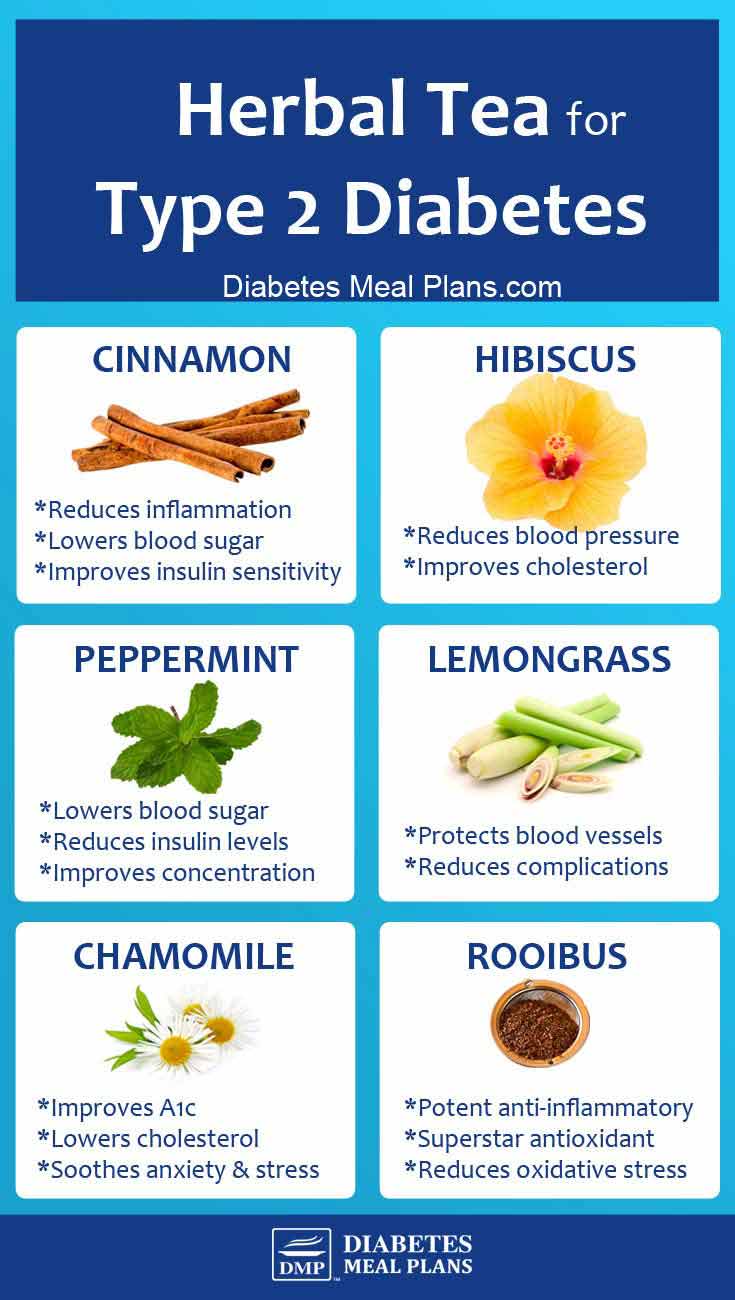
They are naturally caffeine-free and come in a variety of flavors such as peppermint, chamomile, ginger, lemongrass, rooibus and hibiscus.
Many of these teas carry health benefits; for example, chamomile tea can help reduce stress and improve sleep quality and may help reduce A1c.
Cinnamon tea reduces inflammation, helps lower blood sugar and improve insulin sensitivity.
When choosing herbal teas, opt for unsweetened varieties to avoid added sugars.
And the good thing is you can take your herbal teas hot or cold.
Choose an herbal tea of your choice. There are some fantastic store-bought herbals such as blackcurrent, raspberry, ginger, lime, lemon, apple, pear, peach, and so forth – all of which are low in sugar but have a naturally sweet flavor.
Steep a strong concoction in a jug, keep in the fridge and drink as desired, over ice if you prefer your drinks extra cold.




2. Black and Green Tea
Both black and green teas are rich in antioxidants, which can help fight inflammation and protect against disease.
Studies have shown that green tea, in particular, may improve insulin sensitivity and reduce blood sugar levels.
Remember to drink them unsweetened; adding a slice of lemon can enhance flavor without adding carbs.
3. Oolong Tea
Oolong tea, with its unique fermentation process, offers a distinctive profile of polyphenols.
Research has demonstrated that consuming oolong tea over a 30 day period may significantly decrease fasting blood sugar levels. In the study the blood glucose reduction was 67 mg/dL (3.7 mmol/L) – a pretty hefty improvement!
Oolong tea consumption for one month has also been shown to help decrease A1c levels.
The tea’s mechanisms include inhibiting glucose uptake in cells, and potentially moderating carbohydrate digestion and absorption.
This Loose Leaf Oolong Tea is the one we usually recommend. You can buy oolong tea in both loose leaf or tea bags.

4. Coffee
Good news for coffee lovers: moderate coffee consumption can be part of a diabetes-friendly diet.
Some research suggests that coffee may reduce the risk of developing type 2 diabetes. And if you have type 2 diabetes, coffee can effectively reduce blood sugar and insulin levels, help decrease triglycerides and reduce fatty liver disease.
While coffee itself can provide a number of benefits, the stuff you put in coffee may not. Sugar for instance is simply “empty liquid calories.”
Opting for black coffee or using a splash of milk, a sugar free creamer, or a safe sugar substitute can keep your coffee diabetes-friendly.
5. Vegetable Juice
Vegetable juice, especially when homemade, can be a nutritious addition to your diet. Vegetables are low in sugars and high in vitamins, minerals and dietary fiber.
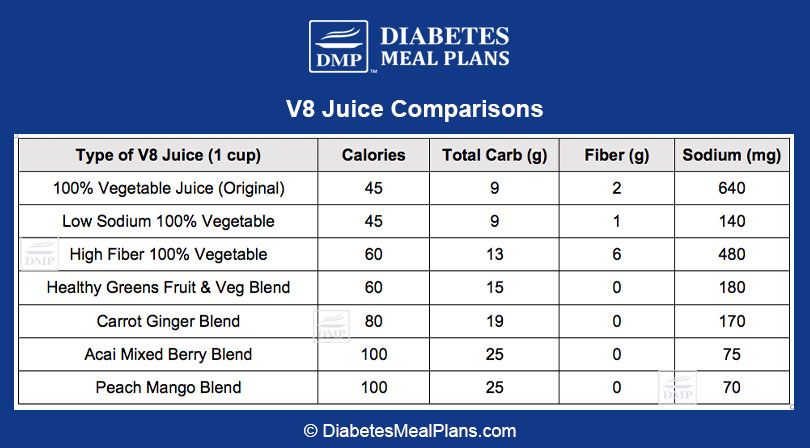
You can also consider drinking some of the lower carb V8 Juice options, like the 100% veggie juices or the healthy greens.
When making juice at home, focus on non-starchy vegetables like spinach, kale, and cucumbers.
Keep in mind that juicing can remove fiber from vegetables, so it’s often better to consume whole vegetables or blend them into smoothies to retain all the dietary fiber.
6. Milk
Milk provides calcium, vitamin D, and protein – all of which add quality nutrition to your eating plan.
Plant-based milk alternatives like almond milk, soy milk, or coconut milk can also be excellent choices, especially the unsweetened versions, as they contain fewer carbs and sugars than regular milk.
7. Sparkling Water
For those who miss the fizz of carbonated beverages, sparkling water can be a refreshing alternative.
It’s hydrating and can satisfy the craving for a carbonated drink without the added sugar or artificial sweeteners found in diet soda.
Look for naturally flavored or plain varieties to avoid any unwanted additives.

8. Infused Water
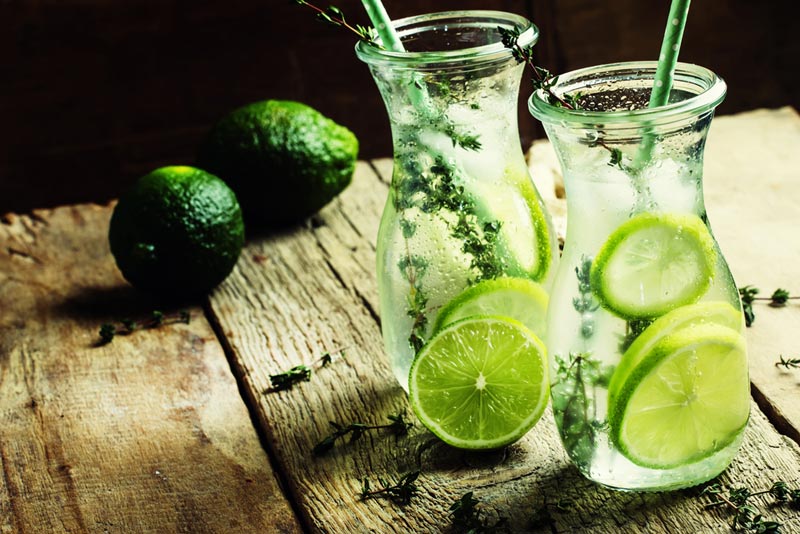
Infusing water with fruits, vegetables, and herbs is a great way to add flavor without adding sugar or calories. Lemon, lime, cucumber, berries, and mint are popular options.
Infusing water is simple: just add your chosen flavors to a pitcher of water and let it sit for a few hours or overnight.
For example, slice up some fresh cucumber and add a twist of lemon. Or add a few slices of lime, slivers of ginger and sprig of rosemary or thyme to water for a tantalizing lime spritzer.
The result is a deliciously refreshing drink that’s both hydrating and enjoyable.
9. Kombucha
Kombucha, a fermented tea beverage, has gained popularity for its probiotic benefits, which can aid in digestion and overall gut health.
However, it’s important to approach kombucha with caution if you have diabetes.
While it can be a healthier alternative to sugary sodas, kombucha can vary in sugar content depending on the brand and fermentation process.
Opt for kombuchas labeled as low-sugar or those with the sugar content clearly listed, and consume them in moderation.
10. Kefir
Kefir is a fermented milk drink similar to yogurt but with a thinner consistency. It’s packed with probiotics, protein, and vitamins.
One of the major benefits of kefir is has antimicrobial, immune strengthening properties and helps to improve digestion – all of which help promote better outcomes for diabetics. It’s also been shown in studies to improve blood sugar control too!
Like with kombucha, it’s vital to select versions that are low in sugar or unsweetened.
11. Smoothies
Smoothies can be a nutritious beverage option, allowing for the inclusion of fruits, vegetables, protein sources—particularly whey protein, and healthy fats all in one drink!
However, the key to making a diabetes-friendly smoothie is balance. Focus on lower carb fruits like berries, and include plenty of greens like spinach or kale.
Adding a source of protein, such as Greek yogurt or a scoop of protein powder, and healthy fats from nuts or seeds can help stabilize blood sugar levels.
Be mindful of portion sizes and the total carbohydrate content, aiming to keep your smoothie within your daily carb goals.

12. Store-Bought Drinks
Thankfully, there are now a wider range of store-bought options that you can readily choose to drink.
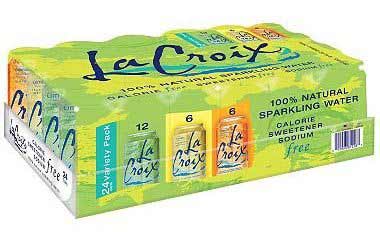
LaCroix, Dasani and many other companies make flavored (unsweetened) varieties as well.
LaCroix flavor their sparkling waters with natural flavors that are often fruit extracts and essential oils. They contain zero sugar, zero sweeteners, zero carbs and come in a variety of flavors – berry, coconut, lemon and orange.
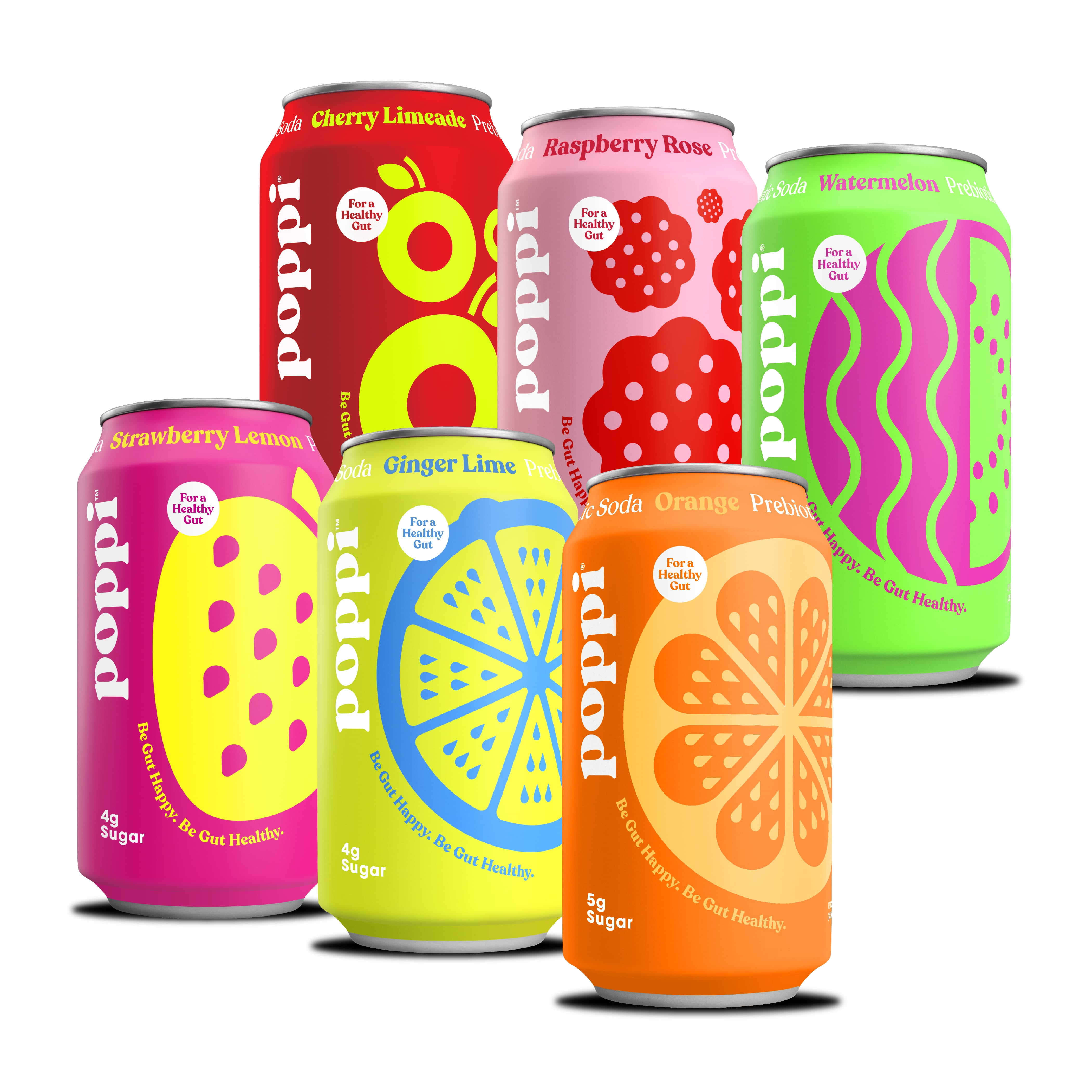
Options like Poppi Soda have lower carbs and relatively good nutrition profile, compared to drinking regular diet sodas.
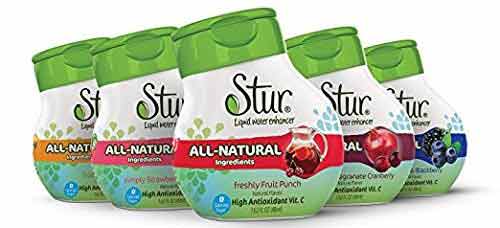
You can also purchase stevia sweetened flavorings to add to your water. Stur water enhancers are a great choice. Natural ingredients, sweetened with stevia and contain zero carbs.
Special Considerations Regarding Diabetic-Friendly Drinks
While exploring these options, it’s crucial to remain mindful of a few key points:
- Monitor Blood Sugar Levels: Individual responses to different beverages can vary. Monitoring your blood sugar levels will help you understand how different drinks affect you personally.
- Read Labels Carefully: Always check the labels for added sugars or carbohydrates, even in drinks marketed as “healthy” or “natural.”
- Moderation is Key: Even the healthiest drink options can lead to problems if consumed in excess – and it can be easy to drink too much of something! Keep an eye on portion sizes and how they fit into your overall dietary plan.

What Can Diabetics Drink Besides Water?
As you can see by the above list, you have a lot of drink options besides water alone!
From herbal teas, coffee, vegetable juice, sparkling and infused waters, smoothies, kombucha and kefir; plus, with various store-bought varieties available – the options are endless.
By choosing wisely and monitoring your body’s response, you can enjoy these drinks without compromising your health goals.
Incorporating these drinks into your diabetic diet can add enjoyable variety and contribute to a balanced, healthful lifestyle – enjoy!
Transcript
Click Here To View
Dr Jedha, Host
Hello there and welcome to another episode filled with practical insights, tips and tricks to drink well. That’s right, what we drink is just as important as what we eat and while water is our best drink option—it’s zero calories, has no sugar, and is great for hydration, have you ever caught yourself staring at your water bottle thinking, “I just can’t drink another glass of plain water today”? We hear this a lot. Water is great, but it can get boring. And let’s be real, some people just don’t enjoy drinking plain water, no matter how good the benefits may be.
If that sounds like you but you need to meet your daily hydration needs, you need something else, but may not know your options. That’s exactly what we’re talking about today – ways to add beverage variety without compromising your blood sugar levels. Drinks that are safe, enjoyable, and can even offer added health benefits. Plus, we’ll look at some common mistakes to avoid so you don’t accidentally spike your blood sugar with the wrong choices. By the end of this episode, you’ll have plenty of ideas for new drinks to add to your daily routine.
02:15
When it comes to diabetes treatment, foods get a lot of attention, but what you drink is just as important as what you eat. Many drinks, even those that seem healthy on the surface, can be packed with hidden sugars and simple carbohydrates that quickly spike blood glucose levels. For example, a single glass of orange juice—just one cup—contains 25 grams of carbs and 20 grams of sugar, which is about the same as a can of regular cola. And that’s 100% juice with no added sugar. Fruit juices, sports drinks, flavored waters, iced teas, bottled smoothies—even some plant-based milks—can all have more sugar than you might expect.
These “liquid carbs” can be especially tricky because they don’t leave you feeling full, yet they can dramatically raise blood sugar. And because they’re in liquid form, your body absorbs them very quickly. That fast absorption means a quick spike in glucose, which is the exact opposite of what we want when eating to treat diabetes.
That’s why being mindful of your beverage choices can make a big difference in your blood sugar control.
For you, it’s important to realize that hydration plays a big role in blood sugar management. When your blood sugar levels run high, your body tries to flush out excess sugar through urine, which can lead to dehydration. If you’ve ever had high blood sugar and felt thirsty all the time, that’s why—your body is trying to rebalance itself. Staying hydrated can actually help lower blood sugar.
Let’s get into some of the best options to include when you’re not feeling like water or simply don’t like it. For our members, head to the members library for more detailed members-only resources on drinks that can help you optimize your blood sugar.
04:15
Okay, so the first drink you can enjoy is herbal teas.
Herbal teas are an amazing way to stay hydrated without adding sugar or calories. They come in a variety of flavors—peppermint, chamomile, cinnamon, hibiscus, ginger, rooibos, and more. Not only do many of these taste great, but they also offer health benefits.
For example:
- Chamomile tea is known for its calming effects and can help with relaxation and sleep. Research has even shown that chamomile may help lower A1c levels.
- Cinnamon tea is fantastic for people with diabetes because cinnamon has been shown to improve insulin sensitivity and help regulate blood sugar.
- Hibiscus tea is rich in antioxidants and can help lower blood pressure—another important factor for diabetes management.
- Rooibus tea is a superstar when it comes to decreasing inflammation and oxidative stress, which is very important for everyone, but even more so when living with diabetes.
- Lemongrass tea contains antioxidant properties that protect blood vessels, which can help counteract oxidative damage that results from high glucose levels.
There are also some fantastic herbals that are readily available in the store, such as blackcurrent, raspberry, ginger, lime, lemon, apple, pear, peach, and so forth – all of which are low in sugar but have a naturally sweet flavor.
There are many different herbal teas that can be enjoyed hot or cold. As a replacement or alternative to water, you can make a big batch. Steep a strong concoction in a jug and chill it in the fridge, and have a refreshing iced tea ready whenever you want. Or instead of taking water in your bottle, fill it with a cooled herbal tea infusion.
Teas such as oolong and green tea are also fantastic options for replacing water. Green tea can help reduce oxidative stress and inflammation in the body, supports heart health, aids in weight management, and has been linked to improved cholesterol levels.
Oolong tea is incredibly powerful in terms of lowering blood sugar, fasting blood sugar in particular. As we explored in episode 53, when people drank about 53 ounces, 1500mls or 6.34 cups of tea a day, it can help lower fasting blood sugar by 67 mg/dL or 3.7 mmol/L, along with contributing to lower A1c levels and anti-inflammatory and anti-heart disease properties. You could fill a water bottle with this tea and drink it throughout the day, as a replacement to water, and you’ll also get the blood sugar lowering benefits.
Just remember to drink these drinks unsweetened. If you want to add flavor, a squeeze of lemon or lime works well and adds extra antioxidants without affecting your blood sugar. Or you can add a touch of sweetener, using safe sweeteners, which we talked about in episode 49.
Of course, normal tea and coffee are fine to drink too. But again, the key with these drinks is how you drink them. The things people often add to tea and coffee—sugar, flavored syrups, or high-carb creamers—can turn it into a blood sugar disaster.
To keep your tea and coffee diabetes-friendly:
- Drink them black or with a splash of milk or unsweetened plant-based milk like unsweetened soy or almond milk.
- Avoid flavored creamers that contain hidden sugars. Members, we have a full guide on coffee creamers so we’ll add that alongside this episode in the members library.
- Use natural sugar substitutes if you need a bit of sweetness, which again, we talked about in episode 49.
09:15
Some vegetable juices can be a great option, but fruit juice is a different story – you have to exercise caution here so as not to push up the sugars too much. Take that single glass of orange juice we shared at the beginning of the episode—one cup—contains 25 grams of carbs and 20 grams of sugar—that’s 100% orange juice with no added sugar. A lot of people assume fruit juice is a healthy choice, but for blood sugar control, that much sugar in liquid form is far from ideal and is not going to support good blood sugar control. A lot of fruit juices are going to have a similar nutrition profile, we’re looking at around 20-25 g carbs, and 20-25g sugars, per cup. As mentioned earlier, coca cola contains 27 grams of sugar per cup. When you look at it this way, there’s really not much of a difference between drinking fruit juice or having coke. Sugar is sugar—whether it comes from cane, corn syrup, or fruit— your body responds to it in much the same way, blood sugar goes up!
Now, when it comes to vegetables, the story changes. Most vegetables are naturally low in sugar, and they’re packed with fiber, vitamins, minerals, and beneficial plant compounds. But even among vegetables, there are better and worse choices when it comes to juicing.
If you’re going to make vegetable juice at home, it’s best to focus on non-starchy vegetables—things like spinach, kale, cucumber, and celery. These add volume and nutrients without contributing many carbohydrates. They’re refreshing, hydrating, and give you a nutrient boost without impacting blood sugar much at all.
On the flip side, you want to be cautious with vegetables that have a higher natural sugar content, like carrots and beets. While they’re full of antioxidants and definitely healthy in many ways, they’re also sweeter and more carb-dense. They are fine in small portions but when it comes to juicing it can be easy to put more serves than we need, and in large amounts—the sugar content of vegetables can add up quickly too. Just something to consider.
Also keep in mind that when you juice vegetables, you’re removing the fiber, which plays an important role in slowing the absorption of sugar into your bloodstream. That means even natural sugars in vegetable juice can hit your system faster than they would if you ate the whole vegetable.
If you enjoy vegetable juice, go for it—just be mindful of the ingredients. Stick with low-carb veggies, go easy on the sweet ones, and keep your portion sizes reasonable.
There are also some store-bought vegetable juices that are okay. The most commonly known one is V8 juice. Out of all the V8 juices, V8 Original is the best choice. A cup of V8 Original contains about 9 grams of carbohydrates, 7 grams sugars, and 2 grams fiber. Compare this to one of the V8 fruit juice varieties and you could be consuming 22 grams of carbs, 19 grams of sugars with zero fiber. Remember, always read the ingredients and nutrition facts so you really know what you’re taking into your body.
13:17
Milk is another drink option that can provide good nutrition. Regular cow’s milk contains calcium and protein, which are all important for overall health. However, regular cow’s milk does contain natural sugars, around 12g per cup, so you don’t want to go overboard when consuming it. Unsweetened plant-based alternatives can be a useful alternative. For example, unsweetened almond milk is naturally low in carbs at around 2-3g per cup. Or unsweetened soy milk contains protein and low in carbs at around 3g per cup. Just make sure you choose the unsweetened versions to avoid unnecessary carbs and sugars.
14:01
For those who love carbonation but want to avoid sugary sodas, sparkling water is a great alternative.
It gives you that fizzy satisfaction without added sugar or artificial sweeteners. There are also several brands available now that make flavored carbonated water with zero sugar, zero carbs, and no artificial sweeteners. We’ll leave a few of those options in the show notes alongside this episode. But even adding something as simple as a squeeze of lemon or lime to sparkling water can be enjoyable.
If you like a hint of natural flavor, infused water is a great way to make plain water more interesting; or you can also use this same process with sparkling water.
Simply add slices of:
- Lemon or lime for a refreshing citrus taste.
- Cucumber and mint for a spa-like drink.
- Or sliced berries and fresh herbs for natural sweetness.
Let it sit for a few hours or overnight, and you’ll have a delicious, sugar-free drink. You can also use a strong herbal tea infusion blended with sparkling water or soda water for a refreshing drink. There are lots of natural ways to flavor water that can be very satisfying.
There are also some sparkling waters on the market that are suitable. Just check the ingredients and avoid artificial sweeteners like aspartame. You can also get sugar-free flavorings to add to water, but again, it comes down to the types of sweeteners they contain and whether they contain artificial additives – so go for choices that contain natural ingredients and safe sweeteners, which we talked about in episode 49.
So we’ve covered herbal teas, tea or coffee, vegetable juice, milk, sparkling water, and various ideas for infusing water to make it refreshing and tasty. Of course, we haven’t covered every possible drink but hopefully you’ve now got some more ideas to explore.
You can find more details in the show notes on our website and if you’re one of our members, check out the members library for lots more info on drink options, recipes and lists of the best store-bought options as well.
That’s all for today—until next time, keep making great choices for your health!
Dr Jedha, over and out.

Subscribe to Type 2 Diabetes Talk on: Apple | Spotify | Amazon Music | Audible | YouTube | Podcast Index | Player FM | and more…
Beverly S
Thank you for making all of this information so readily available. It helps very much as most of us are so tired of trying to get the right information from our doctors who are just too busy to give us personalized information and nutritionists are sort of set in their ways. Here we can chose different options and make our lives a bit tastier.
Penny
Hi, My name is Penny and I wanted to know if the drink Zevia is okay for diabetics as its only flavored with Stevia and natural flavors.
Dr Jedha
Yes Penny, these are actually quite a good option!
Dan
I’ve heard that drinking smoothies is not a good idea for people with high blood sugar. It has something to do with the amount of time food is in your mouth for either the tastebuds, or the chewing motion (not too sure which one) to send the signal to your pancreas to produce insulin.
Dr Jedha - Nutritionist (PhD)
Dan, we do recommend eating food over smoothies, as chewing whole foods helps regulate blood sugar because it slows down digestion and allows time for your body to signal the pancreas to produce insulin and other regulatory hormones properly. But, when smoothies contain healthy ingredients – fiber, protein and lower carb ingredients – they will not necessarily impact blood sugar. The overall message is: it predominantly depends on the ingredients as many people use things like banana and don’t include proteins, fats and fiber.