


If you have prediabetes, you have probably been told to watch both your carbohydrates and your sugar. But which one is actually worse for your blood sugar? And do you need to worry about both equally?
The answer is more connected than most people realize, and understanding the relationship between the two gives you a much more effective approach to managing your eating plan.

The Key Fact: Sugar Is a Carbohydrate
The most important thing to understand is that sugar is not separate from carbohydrates. Sugar is a type of carbohydrate.
All carbohydrates, whether they come from bread, rice, fruit or a chocolate bar, are broken down into glucose in your digestive system. That glucose enters your bloodstream and raises your blood sugar.
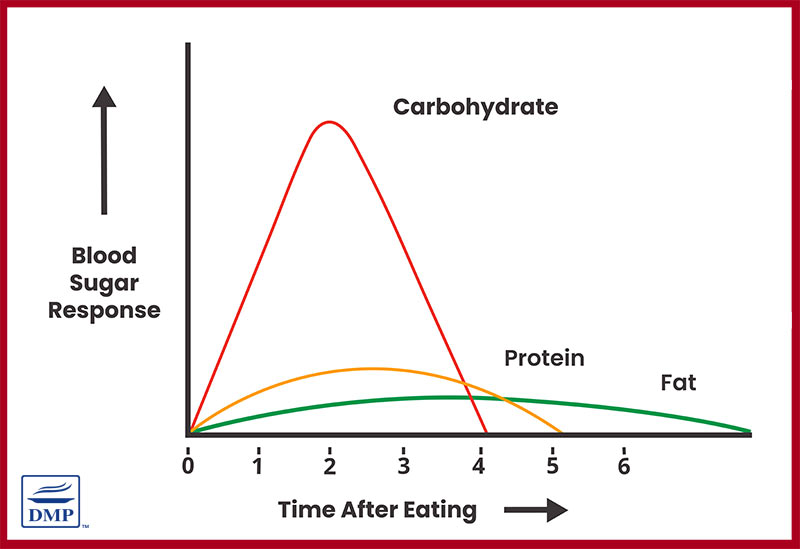
Technically, every gram of carbohydrate you eat contributes to that glucose load.
That doesn’t mean you need to eat a no carb diet, but it does mean you need to understand how carbohydrate foods, including sugar, affect your system.
To lower blood sugar levels, the goal is to reduce the total glucose load your body has to manage, and that means looking at your total carbohydrate intake, not just the sugar line on a nutrition label.
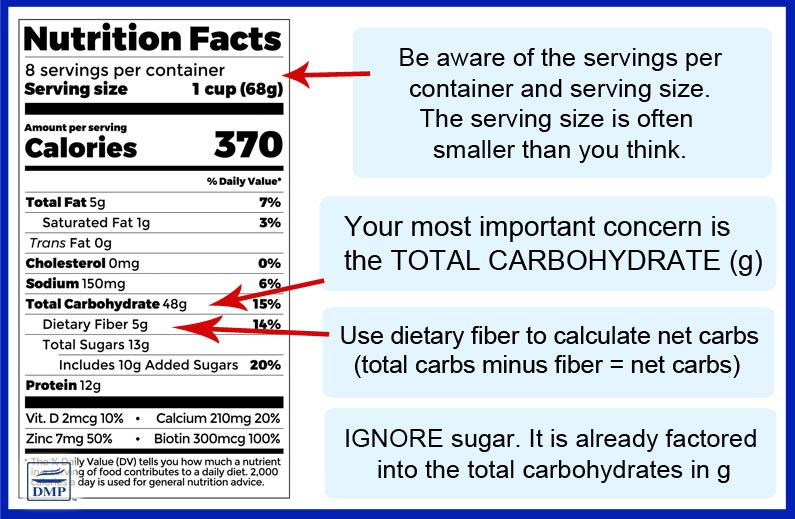
Why Sugar Gets Extra Attention
While all carbohydrates raise blood sugar, not all carbohydrates do so equally. Sugar, particularly added sugar and refined sugar, is digested and absorbed extremely rapidly. It hits the bloodstream fast, causing a sharp blood sugar spike that your body struggles to manage.
We know that for many people, high blood sugar readings are most often triggered by foods high in added sugar and refined carbohydrates.
That’s because it’s very easy to over consume sugar-filled foods. A can of soft drink, sweetened coffee, fruit juice, or a few cookies can provide a large amount of sugar in just a few minutes.
Understanding Sugar
Table sugar is made up of 50% glucose, 50% fructose.
Fructose deserves special mention because it is handled differently in the body than glucose. While glucose circulates in the bloodstream and directly raises blood sugar, fructose is primarily processed by the liver.
Large amounts of fructose, particularly from sugar-sweetened drinks, syrups, desserts and ultra-processed foods, can contribute to weight gain, fatty liver, elevated triglycerides, insulin resistance, and worsening metabolic health.
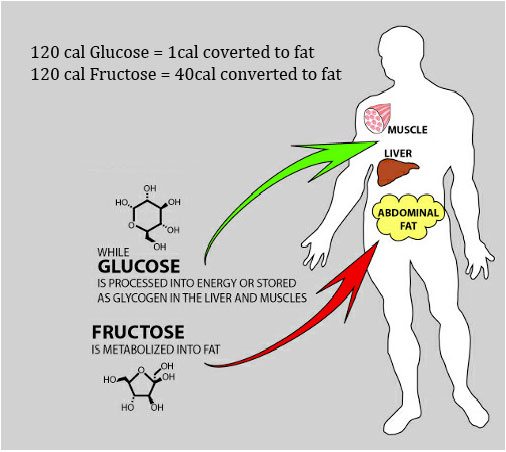
Over time, fructose can make the underlying insulin resistance that drives prediabetes worse.
Another thing to keep in mind is that added sugars provide no nutritional value — they simply deliver excess calories and excess carbohydrates to your body — no vitamins, minerals, fiber, no value at all.
For that reason, reducing added sugars such as table sugar, high-fructose corn syrup, sugary drinks, confectionery, and desserts is an important part of improving blood sugar in prediabetes.
But there is another area people get stuck that keeps their blood sugar levels high and that is the total carbohydrate amount they are eating.
The Total Carbohydrate Picture
Focusing only on cutting sugar while continuing to eat large amounts of starchy carbohydrates like bread, pasta, rice, and potatoes is a common mistake.
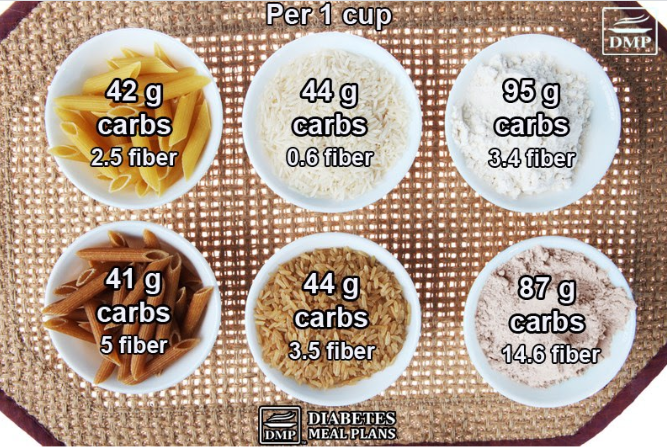
These foods contain very little added sugar, but they break down into large amounts of glucose (sugar) in the bloodstream. This can leave blood sugar high two hours after eating and that can keep your A1c levels high.
For many people with prediabetes, paying attention to total carbohydrates is the strategy that produces the biggest improvement in blood sugar and A1c levels.
Once added sugars have been reduced, total carbohydrate intake often becomes the next important lever to adjust.





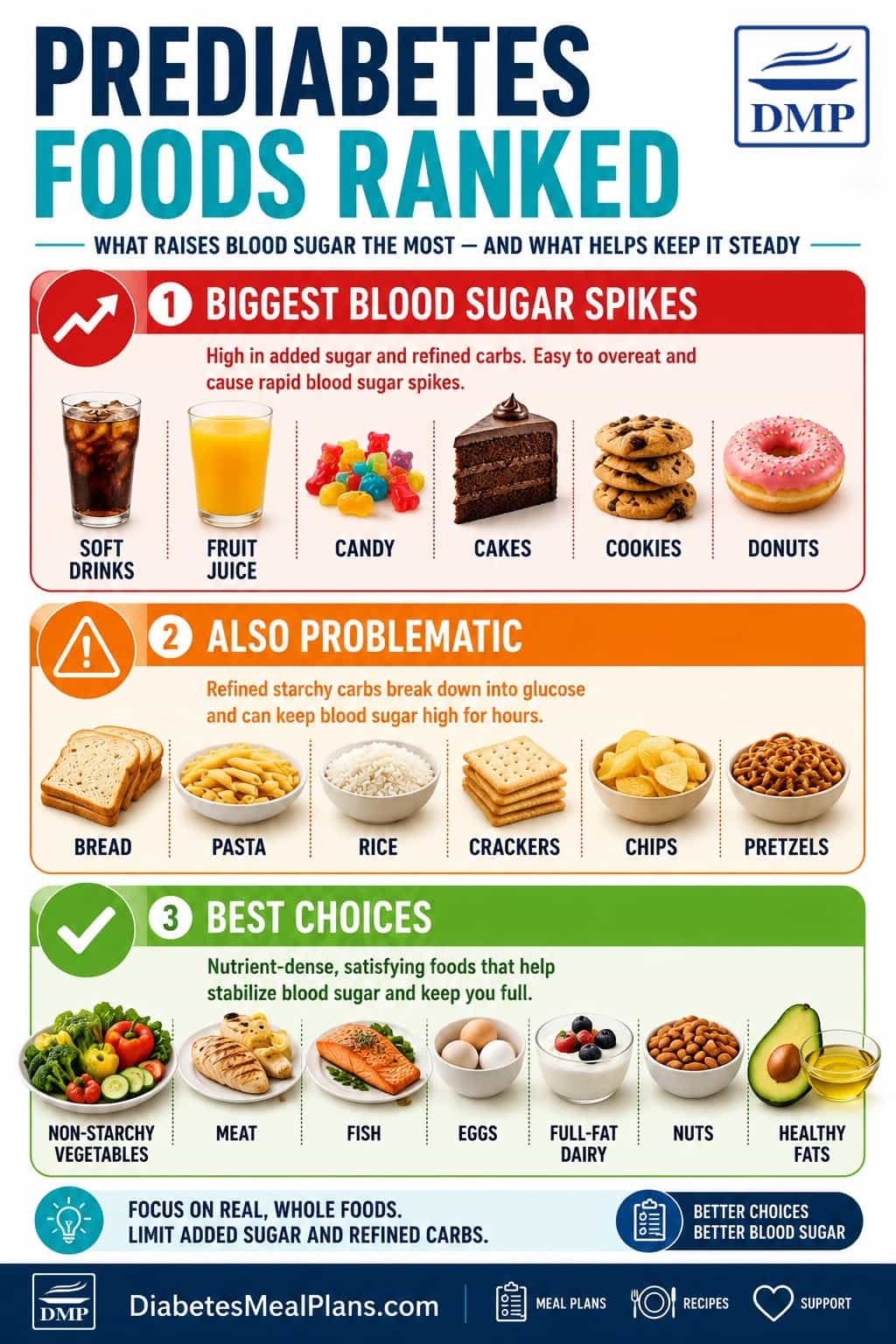
Foods That Are the Biggest Problem
The foods that tend to cause the most trouble for people with prediabetes are those that combine high amounts of refined carbohydrates, added sugars, and low satiety (feeling of fullness).
Common examples include:
- Soft drinks and sugar-sweetened beverages
- Fruit juice and fruit drinks
- Candy and chocolate bars
- Cakes, muffins, cookies, and pastries
- Donuts and sweet bakery items
- Sweetened breakfast cereals
- Ice cream and frozen desserts
- Ultra-processed snack foods
Large portions of refined starchy foods can also be problematic, even when they contain very little added sugar. These foods are rapidly broken down into glucose and can keep blood sugar elevated for hours after eating.
Common examples include:
- White bread
- Pasta
- White rice
- Crackers
- Chips
- Pretzels
- Many packaged snack foods
On the other hand, foods that generally have the least impact on blood sugar include:
- Non-starchy vegetables
- Meat, poultry, fish, and eggs
- Full-fat dairy foods
- Nuts and seeds
- Avocado and olives
- Healthy fats such as olive oil
- Minimally processed whole foods
These foods help reduce the overall glucose load of a meal while improving fullness and satisfaction, making them a much better foundation for reversing prediabetes.
Both Matter, But Total Carbs Is the Bigger Lever
The reality is that sugar and carbohydrates are not competing problems. Sugar is part of the carbohydrate picture.
Reducing added sugars is an excellent place to start because it removes foods that offer little nutritional value and often cause large blood sugar spikes.
However, if your goal is to lower blood sugar and reduce A1c, the most effective approach is to cut back on added sugars first, then pay attention to overall carbohydrate intake.
This helps reduce the total amount of glucose entering the bloodstream and gives the body a better chance to restore healthy blood sugar control.
Not sure what foods to eat with prediabetes?
Grab our FREE Prediabetes Food List below for a simple guide to blood sugar-friendly foods, meal ideas, and smart swaps you can start using today.

Leave a Reply