


Did you know that having type 2 diabetes puts you at a 50-150% increased risk of acquiring type 3 diabetes? You may be asking: what is type 3 diabetes?
In this podcast episode, we explore how type 2 diabetes can develop into type 3 diabetes, and we’ll also cover the most effective strategies to help prevent this complication from happening to you.
LISTEN TO THE PODCAST
Support the podcast by leaving a 5-star rating and review on Apple, Spotify or our Website – Thank You!
What is Type 3 Diabetes?
Type 3 diabetes is dementia! Alzheimer’s disease being the most common form of dementia, accounting for 60-80% of dementia cases.
Should you be concerned? With progressive loss of memory and cognitive function and a typical premature death within 3-9 years of diagnosis, Alzheimer’s disease is not a consequence anyone wants to face.
So, with a 50-150% increased risk for people living with diabetes, you should be concerned.
The good news is, taking control of your diabetes can prevent diabetes from getting control of you (or your mind).

Amyloid plaques
The development of type 3 diabetes/Alzeimer’s dementia occurs when there is an accumulation of amyloid-β (Aβ) protein in the brain. These amyloid plaques accumulate because of increased production or decreased removal.
Amyloid plaques block the signals between neurons and they also release beta-amyloid, a toxin that that injures neurons in the brain. As a consequence, regions of the brain slowly begin to decline.
In terms of type 2 diabetes, there are several associated risk factors that promote your chances of developing the disease.
Glucose Toxicity
The body is designed to maintain a stable blood sugar level through a balance of three factors:
- Insulin secretion (hormone released from your pancreas)
- Glucose (sugar) uptake from your bodies tissues (muscles, cells etc)
- Liver glucose production
When your metabolism is functioning properly, the glucose you consume from foods (mainly carbohydrates) is used by the bodies tissues and when necessary, backed up by the body’s internal production of glucose – because the body is designed to maintain stable blood sugar.
However, the ability of your body to balance these mechanisms becomes altered in prediabetes and type 2 diabetes, in which case:
- blood sugar levels become unstable
- insulin secretion often increases, then may eventually decline
- the body’s tissues and cells do not uptake glucose effectively (insulin resistance)
- the liver’s production of glucose often increases
These processes combined are known as ‘glucose toxicity.’ So in other words, uncontrolled blood sugar or uncontrolled diabetes can lead to the development of glucose toxicity and increased insulin resistance, which is a major contributor to the development of type 3 diabetes/Alzheimer’s dementia.
That’s why it’s important that you take your health very seriously, be proactive and do what you can to control your diabetes – getting and keeping your blood sugar and A1c levels within a healthy range – it can prevent complications and extend your life!




Diabetes of the Brain
While high blood sugar and blood sugar dysregulation are big issues that you need to pay close attention to, they are also associated with an underlying issue — insulin resistance.
Over the past few years, research has uncovered a strong link between insulin resistance and forms of dementia like type 3 diabetes.
In the same way insulin resistance and systemic inflammation drive the development of type 2 diabetes, they drive the development of diabetes of the brain (Alzeimer’s dementia).
Just like all other cells in the body, the brain needs fuel to function, preferring glucose as energy. When the brain is insulin resistant, the brain is starved for energy.
This generates oxidative stress and neuro-inflammation, which in turn damages brain cells and stunts the growth of new neurons. Additionally, studies have found that the impaired insulin signalling may disrupt the clearance of amyloid proteins from the brain, which allows them to build up and cause plaques. Once started, this self-perpetuating cycle of inflammation and destruction is difficult to stop.
This is why it’s so important to dampen inflammation and work on increasing your insulin sensitivity as early as possible.
Please share, pine or tweet; then keep on reading.

The State of Your Gut
It may sound strange but the health of your gut, or rather the state of your gut bacteria (microbiome), has everything to do with the development of type 3 diabetes – and prediabetes and type 2 diabetes for that matter!
One review found that 81% of patients with Alzheimer’s also had type 2 diabetes or impaired fasting glucose (prediabetes), and a common factor tying these conditions together was a compromised microbiome (or in other words an imbalance in gut bacteria).
Other research has also shown that a healthy gut microbiome may support brain health.
Researchers suggest two possible explanations as to why the gut bacteria may impact brain health:
- certain negative bacteria in the gut secrete neurotoxins that lead to Alzheimer’s.
- unhealthy microbiome send inflammatory stress signals to the brain via the vagus nerve and the “gut-brain-axis,” promoting increased cellular inflammation.
Your gut is home to one trillion gut bacteria, and over 1,000 different species of “bugs/bacteria,” both good and bad. Quite surprisingly, these bugs are involved in metabolism and control of all the bodies functions. So in order to maintain a healthy body and metabolism, a balanced ratio of good bugs to bad ones is needed.
Problem is, many modern lifestyle factors interfere with a healthy gut balance. Factors like stress, toxins (environmental and food), and most importantly, your dietary choices – these all influence your intestinal “terrain.” Over time, enough ‘negative’ exposure fuels the bad bugs until they begin to overrun the good ones.
This not only affects the communication that occurs between gut bacteria and your genes/cells, but can lead to increased intestinal permeability (also called “leaky gut”), a condition in which food particles and debris seep through microscopic tears in your gut lining. Leaky gut can also be a major source of inflammation.
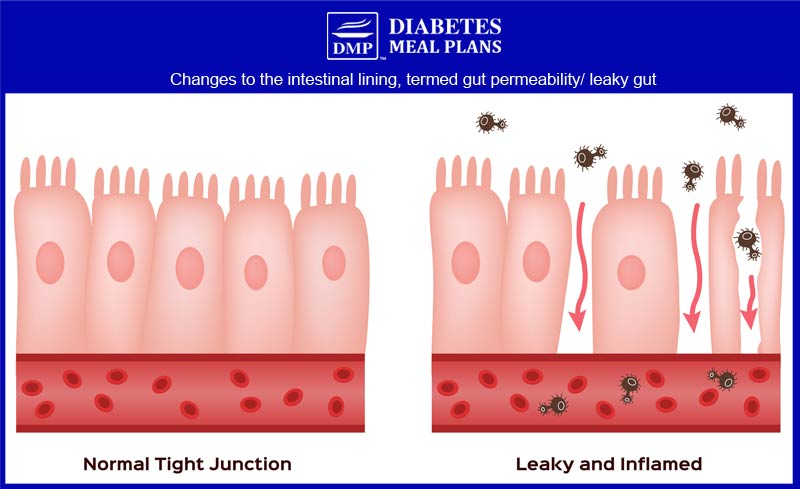
As a consequence of imbalanced gut bacteria, researchers are now linking the gut to the development of many health conditions, not just type 3 diabetes, type 2 diabetes and prediabetes but even conditions such as cancer, which is so fascinating!
Prevention of Type 3 Diabetes
Diseases like type 3 diabetes (Alzheimer’s) can be devastating, but there is plenty of hope for preventing the condition.
Since high blood glucose levels, inflammation and insulin resistance are major culprits behind both type 2 and type 3 diabetes, tackling those factors is the first step to reducing your chance of developing cognitive decline or other diabetic complications later down the road.
Read these tips to increase insulin sensitivity.
To promote a healthier gut bacteria, you can supplement your diet with probiotics and increase your intake of foods like yogurt and kefir.
You can also utilize various herbal remedies and natural supplements like berberine, apple cider vinegar and bitter melon to increase insulin sensitivity, reduce oxidative stress, and lower blood sugar levels.
And most importantly, adopting a high fiber, low carb diet may have the biggest impact on reducing overall inflammation. Your diet is also a key influencer over your blood sugar and A1c levels. Read these tips on lowering your numbers with diet or for more help and support, join us as a member.
Conclusion
Alzheimer’s dementia is type 3 diabetes. Having type 2 diabetes increases your risk of type 3 diabetes by 50-150%.
That’s why it’s recommended you gain good control of your diabetes (regulate your blood sugar within a healthy range – and keep it there!).
There is no quick fix magical pill that will solve the problem or eliminate your risk. So it’s up to you to get proactive and look after your health.
Explore the resources above to learn more about how you can improve your blood glucose levels, insulin sensitivity, gut health and overall health, or for the best help and support to reduce your risk, join us as a member today.
Please pin, share or tweet this info to help inform others – thanks!

TRANSCRIPT
Click to View
Dr Jedha, Host
Hello wonderful people. You’ve no doubt heard of type 1 diabetes, and of course, prediabetes and type 2 diabetes, but have you ever heard of type 3 diabetes? Many people haven’t and it’s the topic of today’s chat.
When I first came across this way back in 2015, it was incredibly interesting then, especially with the shocking statistic that was quoted by researchers back then, that living with type 2 diabetes puts you at a 50-150% risk of getting type 3. A recent research review on this topic came into my radar so I thought I’d share all this with you.
In today’s episode, we’re going to unpack what type 3 diabetes actually means, why some researchers use this term, and why it’s to know about, for prevention. Let’s explore some of the science, and what actions we can take to lower risk as well.
First, let’s just recap an important point about prediabetes and type 2 diabetes, because it really helps explain where type 3 diabetes fits in.
Prediabetes and type 2 diabetes are conditions driven by insulin resistance. That means the body’s cells don’t respond properly to insulin, the hormone that allows glucose to move from the blood into the cells for energy. We’ve spoken in detail about this in episodes 26 and 70 and throughout many other podcasts. So here’s the thing, when insulin resistance develops, the pancreas has to pump out more and more insulin to try and keep blood sugar under control, which can worsen insulin resistance and become a repetitive cycle, especially if nothing is done about this. And this underlying issue of insulin resistance, this is the very interesting area that researchers have explored.
So let’s start with where this term even comes from — type 3 diabetes.
Researchers noticed that people with type 2 diabetes have a much higher risk of developing dementia, particularly Alzheimer’s disease. In fact, studies show the risk is around 50–60% higher compared to people without diabetes and prevalence of dementia in people over 75 living with diabetes is around 24%, so these prominent connections made scientists curious. And when scientists began looking closely at what was happening inside the brain, they found something very familiar: insulin resistance.
The brain is a hungry organ. It uses about 20% of the body’s energy, and glucose is its main fuel. But glucose can’t get into cells without insulin working properly. When insulin signaling in the brain breaks down, neurons, which are the brain’s nerve cells, don’t get the fuel they need. Over time, this leads to problems with memory, thinking, and eventually the structural changes we see in Alzheimer’s disease, like amyloid plaques and tau tangles.
So the idea of type 3 diabetes is that Alzheimer’s may, in part, be a form of diabetes in the brain, where insulin resistance and disrupted glucose metabolism drive the disease process. Not the only cause, but a major player.
Researchers propose that once insulin resistance takes hold in the brain, several damaging processes begin to unfold.
First, the brain’s natural clean-up crew struggles. Insulin normally helps regulate an enzyme that breaks down both insulin itself and amyloid-beta, the sticky protein that forms plaques. In insulin resistance, people often have insulin levels, the pancreas releases more and more insulin to try to get glucose out of the bloodstream and into the cells. But when insulin levels are chronically high, this clean-up enzyme in the brain gets overwhelmed, spending its time on insulin and leaving amyloid-beta to accumulate. Amyloid plaques block the signals between neurons and they also release beta-amyloid, a toxin that that injures neurons in the brain. As a consequence, regions of the brain slowly begin to decline. So, over years, these plaques interfere with brain signaling and damage surrounding tissue.
Second, there’s the problem of tau. Tau is a structural protein inside neurons, kind of like scaffolding. In type 3 diabetes, insulin resistance triggers enzymes that cause tau to become twisted and tangled. These tangles block the cell’s transport system and eventually lead to cell death.
Then comes inflammation. The brain’s immune cells, called microglia, get switched on and stay on. Instead of protecting the brain, they pump out inflammatory chemicals that worsen the damage. At the same time, oxidative stress, which is basically like rusting at a cellular level, it adds to the injury.
And underpinning all of this are mitochondria, the cell’s power plants. In insulin resistance, mitochondria become less efficient, producing less energy and more free radicals. That makes it even harder for neurons to survive.
So rather than one single cause, researchers propose type 3 diabetes is a web of interlinked problems — plaques, tangles, chronic inflammation, oxidative stress, and cellular energy failure. But at the very center of this web is insulin resistance. It’s that breakdown in insulin signaling that sparks the cascade, tipping the brain into an energy crisis and setting the stage for all the other damage we see in Alzheimer’s disease.
While all this may sound concerning, here’s the important thing: this doesn’t happen overnight. These changes start decades before symptoms show up, which means what you do in your 40s, 50s, and 60s can make a huge difference to your brain health later in life. And even more important, this emphasizes why it’s so important to be proactive and regulate your blood sugar and optimize your health – to reduce your risk of type 3 diabetes.
While scientists are still debating whether Alzheimer’s should officially be called “type 3 diabetes,” what’s clear is that insulin resistance is a major trigger for the cascade of brain changes we just talked about. Insulin resistance is something we can influence.
And let’s not forget that at the center of it all is dysregulated glucose. When blood sugar runs too high for too long, as it can in prediabetes and type 2 diabetes, it doesn’t just affect your pancreas or your circulation, it also affects your brain. Chronically high glucose fuels oxidative stress, forms damaging molecules called advanced glycation end products, and drives even more insulin resistance. That combination sets the stage for the brain’s energy crisis, plaque build-up, and inflammation.
This is why prevention is so powerful. Alzheimer’s and other dementias don’t appear out of nowhere. The changes in the brain begin decades before the first memory lapses show up. We already know from type 2 diabetes research that keeping glucose stable, improving insulin sensitivity, lowering inflammation, and maintaining healthy weight, all reduce the risk of complications. And those same actions also help to protect the brain.
So rather than waiting for a cure, prevention is our strongest tool. By being proactive in stabilizing blood sugar and supporting insulin function now, you’re not just protecting your body from diabetes complications, you’re also investing in your long-term memory, focus, and independence. And those things are very important to us all.
So if prevention really does start with stabilizing blood sugar and improving insulin sensitivity, what does that look like in everyday eating? Well, it comes down to many fundamentals that we often talk about here on the podcast. The nutrition strategies that make a big difference for diabetes, also have a big impact on brain health.
Cutting out or cutting down on added sugars and the refined carbs found in many processed foods. These are the biggest drivers of blood sugar spikes and insulin resistance. Every time your blood sugar shoots up, it stresses the brain as well as the body. Think of it like a rollercoaster ride – the energy ups and downs, these become damaging over time to cells throughout your body and to the brain. Keeping those spikes lower helps your brain get a steady supply of energy rather than a chaotic one.
Did you know that the brain is made up of about 60% fat, so it makes sense that it thrives on quality fats. Science shows us that the fats that help reduce inflammation, improve insulin sensitivity, and support cell membranes are those rich in monounsaturated fat and omega-3s, so we’re talking lots of olive oil, the benefits of which we covered in episode 14, the deliciously creamy avocado, along with nuts and seeds. And omega-3 rich fish like salmon, or seeds like chia and flax.
Prioritizing protein, which we frequently talk about and that’s because it’s so important to help keep blood sugar steady and preserve muscle mass, which are both vital factors for insulin sensitivity. Good protein at each meal, whether that’s eggs, fish, chicken, Greek yogurt, or plant-based options like tofu, gives your brain the amino acids it needs for neurotransmitters, the chemicals that keep you thinking clearly.
Eat lots of vegetables, lots of them, in all different colors for their antioxidants and polyphenols and lots of leafy greens. Berries and nuts are also excellent sorts of antioxidants and polyphenols with potential neuroprotective effects. Overall, there’s no one single nutrient that prevents or treats the condition, but what we do know is that its’ the quality of your overall nutrition plan that matters most and that’s why we discuss that a lot throughout the podcasts.
I want to touch on one area of research that’s been emerging for sometime — the gut-brain connection.
We often think about Alzheimer’s, or type 3 diabetes, as purely a brain issue. But a growing number of studies are showing that the health of our gut microbiome, that community of trillions of bacteria living in the digestive tract, may play a role in how our brain ages and be linked directly to our brain health.
That is absolutely crazy to imagine, right? How can these bacteria in our gut have any impact on our brain? Well, the gut and brain are in constant communication through what’s called the gut-brain axis. When the gut microbiome is healthy and diverse, it produces beneficial compounds like short-chain fatty acids that reduce inflammation and support brain health. But when the microbiome is out of balance, what researchers call dysbiosis, it can trigger systemic inflammation and even affect insulin resistance, both of which feed into the processes we see in type 3 diabetes and Alzheimer’s.
Several recent reviews have highlighted this link, and we’re seeing this connection between our gut and many aspects of our health appear, again and again. And this emphasizes again why the quality of your overall nutrition plan really, really matters. Eating lots of vegetables, green leafys, nuts and seeds, small amounts of legumes and beans, these all nurture a healthier gut microbiome, growing more of those beneficial type and reducing the bad guys causing havoc. And of course limiting the sugar and refined carbs and processed foods, not only does all of this support better blood sugar control, it improves the gut microbiome. And in turn, emerging evidence tells us this will also help protect against cognitive decline and dementia risk. Probiotic supplements are also being studied, but the strongest evidence right now points to real foods and a quality nutrition plan as being your best form of defence.
Which is great news of course, as that’s exactly what we chat about a lot on hte podcast and what we help our members do each and every day – discover a nutrient dense eating plan that feels natural and sustainable for them long-term. And I know many members find this podcast motivational, confirming their decision to eat well and thrive each day.
Before we finish up, it’s important to acknowledge that not everyone agrees with the term “type 3 diabetes.”
Alzheimer’s disease is complex. Genetics play a role. Vascular health, toxins, head injuries, and lifestyle factors all add to the picture. So while insulin resistance and dysregulated glucose are strong contributors, they’re not the only ones. Some researchers worry that calling Alzheimer’s “type 3 diabetes” oversimplifies a very complicated disease.
That said, the evidence linking blood sugar problems and brain health is too strong to ignore. Insulin resistance may not explain everything, but it appears to be a major trigger , one that we actually can do something about. And that’s where the prevention message becomes so powerful.
Looking to the future, this area of research is only growing. We’re seeing more focus on nutrition patterns, gut microbiome research, and lifestyle factors that support both metabolic health and brain health. There’s also ongoing investigation into medications and novel therapies, but for now, the most effective tools we have are the daily choices around food, activity, stress, and sleep.
So the debate is healthy, and science is still evolving. But one thing is clear: what’s good for your blood sugar is good for your brain. By lowering those daily blood sugar spikes, achieving and maintaining healthy A1c levels, and focusing on eating nutrient-dense foods and a quality nutrition plan, you’re not just protecting yourself from type 2 diabetes complications, you’re also helping to safeguard your memory, your independence, and your quality of life as you age.
For all of us, prevention starts now. Every balanced meal, every walk, every good night’s sleep, they’re all investments in our brain’s future, so keep that in mind with each positive step you take forward.
Thanks so much for tuning in today.
Dr Jedha, over and out.
Susan
This is very interesting to me. My mother died about 18 months ago at age 84. She lived a very health-conscious life – eating well and exercising consistently – for most of her life. In the last she developed some mobility problems that impaired her exercise routine (primarily walking). She also began to experience increased memory loss and, in her last months, she cycled between antibiotic and probiotic regimens for different types of infections.
Having been diagnosed with T2 diabetes shortly before, I questioned my dad about her blood sugar levels. He said her Dr monitored and never suggested that she was diabetic.
The information here helps me to understand the correlation between her health and mine. It also reminds me to stay vigilant about controlling my blood sugar through diet and exercise. It’s so easy to become complacent or weary of the discipline, yet so important to stay the course. Thanks for keeping us informed and up to date on developing health research and information.
Emily - Dietitian (MS, RD)
Glad you found the information interesting! Stay diligent in controlling your levels.