


One common food that many people enjoy, especially in Asian cuisine, is rice noodles. But you may be wondering, are rice noodles a good choice for someone with diabetes?
Certainly, when living with type 2 diabetes or prediabetes, every food choice matters, and it’s important to understand the impact of different foods on your blood sugar levels.
Let’s explore how rice noodles fit into a diabetes-friendly diet, their nutritional content, and what the research says about their effects on blood sugar and A1c levels.

What Are Rice Noodles?
Rice noodles are a type of noodle made from rice flour and water. They are commonly used in dishes like pho, pad Thai, and various stir-fries.
Unlike wheat noodles, rice noodles are gluten free, which makes them an appealing option for those with gluten sensitivities or celiac disease. They come in different shapes and sizes, from thin vermicelli-like noodles to wide, flat ribbons.
These noodles are a staple in many Asian cuisines, including Chinese, Thai, Vietnamese, and Malaysian. They are typically cooked by soaking in hot water or stir-frying.
While rice noodles are often seen as a healthier alternative to traditional wheat pasta due to their gluten free nature, it’s crucial to examine their carbohydrate content and how they affect blood sugar.
Nutrition Facts of Rice Noodles
Let’s take a closer look at the typical nutritional breakdown of rice noodles.
Please note that values can vary slightly based on the brand and preparation method, but on average, a one-cup serving (about 5oz/140g) of cooked rice noodles provides:
- Calories: 190-200 kcal
- Carbohydrates: 40-45g
- Fiber: 0-2g
- Protein: 3-4g
- Fat: 0g
- Sodium: 0-10mg
As you can see, rice noodles are predominantly made up of carbohydrates, with a low fiber content.
The amount of carbs is huge – and this is not good for blood sugar, because carbohydrates are the nutrient that has the biggest impact on your blood sugar and A1c levels.
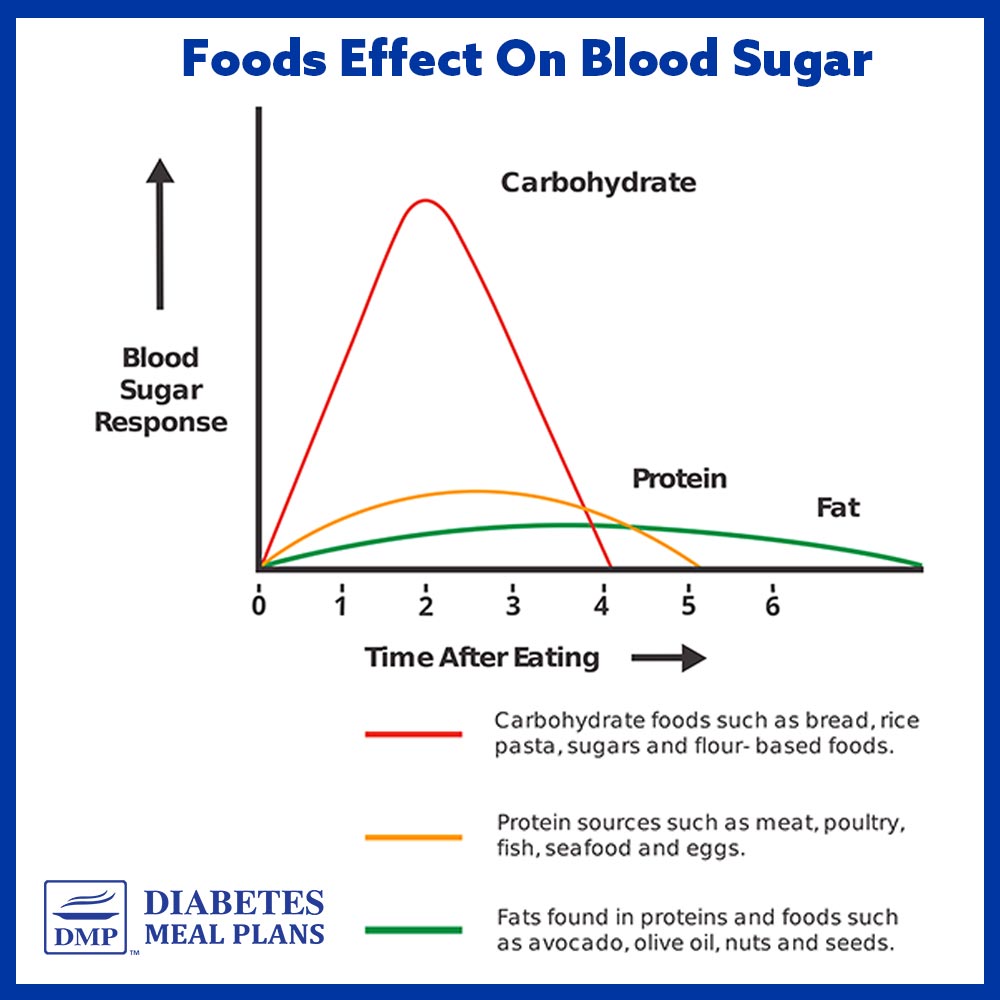
Rice noodles are a high glycemic food, which can cause a rapid spike in blood sugar levels after consumption. The lack of fiber in rice noodles means there is little to slow down the absorption of carbohydrates into the bloodstream.
If you want to lower blood sugar and A1c without medication, rice noodles are a definitely NO food!
Comparisons: Rice Noodles vs. Other Noodles
When it comes to managing blood sugar, not all noodles are created equal. To understand how rice noodles compare, let’s consider a few alternatives:
- Shirataki Noodles (Konjac Noodles): Made from the konjac plant, shirataki noodles are very low in carbohydrates, with only 1-2g per serving. They also contain glucomannan, a type of soluble fiber that has been shown to help lower blood sugar levels.
- Zucchini Noodles (Zoodles): Zucchini noodles, made by spiralizing fresh zucchini, are another excellent low carb food option for happy blood sugar levels. They have only 4g of carbohydrates per serving, with almost 2g of fiber.
Rice noodles a less favorable option for people with type 2 diabetes or prediabetes, especially if you’re aiming to manage blood sugar levels effectively.




Research: How Rice Noodles Impact Blood Sugar
When it comes to the effects of rice noodles on blood sugar, the key factor to consider is the glycemic index (GI). The GI measures how quickly a food raises blood sugar levels after it’s consumed.
Foods with a high GI value (70 or higher) cause a faster increase in blood sugar, while low GI foods (55 or lower) cause a slower, more gradual rise.
Rice noodles have a GI ranging from 50 to 70, depending on the type and cooking method. This places them in the medium to high range of the glycemic index.
Research shows us that foods with a high glycemic index, like rice noodles, contribute to increased post-meal blood glucose levels, which can be problematic for people with diabetes. Consuming high-GI foods regularly can contribute to insulin resistance, a cause of type 2 diabetes and prediabetes.
Rice noodles’ low fiber content exacerbates their impact on high blood sugar levels. Fiber plays a crucial role in slowing down the digestion of carbohydrates, which in turn slows the absorption of glucose into the bloodstream.
Conclusion: Should You Eat Rice Noodles?
No, it is best not to eat rice noodles with diabetes.
The high carbohydrate content and low fiber make them a less-than-ideal option for managing blood sugar levels.
If you love rice noodles, consider trying shirataki noodles, which are very similar when used in recipes.
There are also other alternative noodle options that are lower in carbohydrates and higher in fiber, making them better choices for managing diabetes.
Or, just skip noodles altogether and use vegetables in your dish – vegetables are the very best source of carbohydrates, as they are full of fiber, vitamins, minerals and nutrients that can help reverse diabetes!

Leave a Reply