


Every January, weight loss becomes the loudest goal in the room. The scale comes out, calories are cut, and motivation runs high.
But if you’re living with prediabetes or type 2 diabetes, this familiar approach often leads to frustration. The weight may not shift, energy dips, and blood sugar numbers remain stubbornly high.
Here’s the truth most diet blogs won’t tell you: focusing on blood sugar first is almost always the smarter place to start.
Weight loss tends to follow when glucose and insulin are brought back into balance. Trying to force weight loss before addressing blood sugar often works against your body.

Why Blood Sugar Matters More Than Weight
Blood sugar control reflects what is happening metabolically inside your body. Elevated glucose levels are not just a number on a meter; they signal insulin resistance, disrupted fat metabolism, and increased stress hormones.
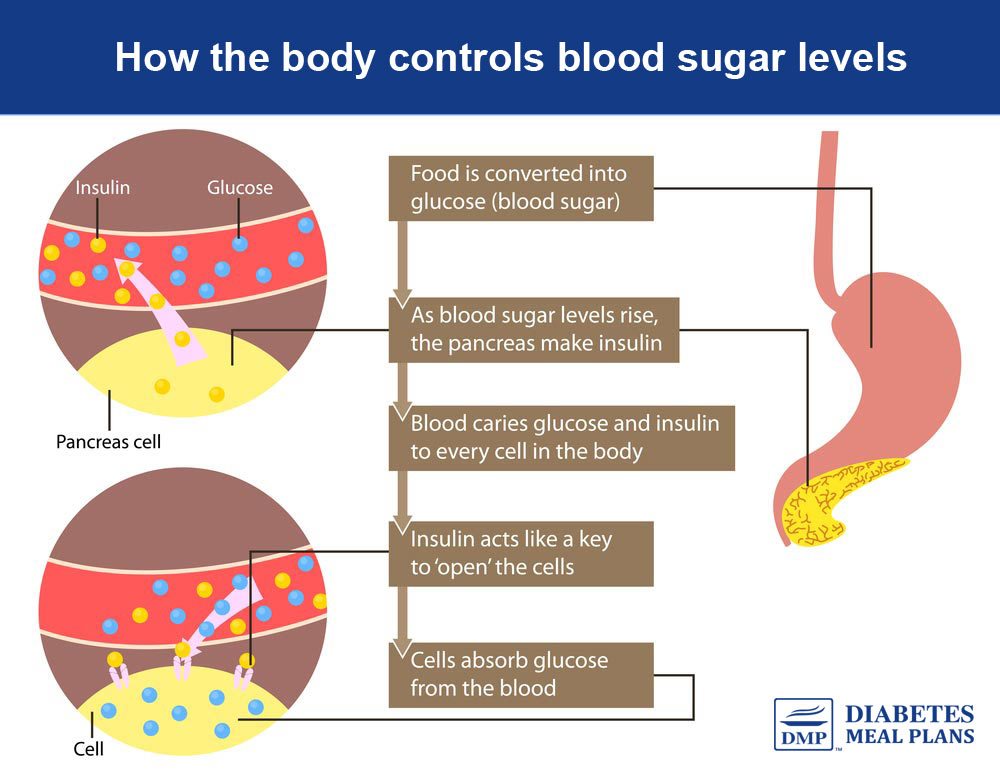
When blood sugar runs high, insulin levels also tend to remain elevated. Insulin is an energy storage hormone. Its job is to move glucose out of the bloodstream and into cells. In other words, if blood sugar is high, insulin will push the excess glucose to fat storage.
With higher than normal blood sugar, insulin stays high for long periods, and fat loss becomes extremely difficult, regardless of how hard you diet.
This is why many people eat less, exercise more, and still feel stuck. The body is receiving a constant signal to store energy, not release it.
Lowering blood sugar helps reduce insulin demand. As insulin levels fall, the body becomes more willing to access stored fat to burn. In simple terms, the metabolic environment shifts from storage mode to repair and recovery mode.
Why Weight Loss-First Approaches Often Backfire
Traditional weight loss advice tends to focus on calorie restriction. While calorie reduction can lead to short-term weight loss, it often comes with unintended consequences for blood sugar regulation.
Severe calorie cuts increase cortisol, the body’s main stress hormone. Cortisol can raise blood sugar by stimulating glucose release from the liver.
This can also worsen higher morning readings, which is a common frustration.
At the same time, under-eating protein and fat can worsen blood sugar stability, increase hunger, and trigger rebound eating. The scale may fluctuate, but glucose control remains poor.
This pattern is common in January. People work harder, eat less, and see little progress where it matters most.





What Happens When You Prioritize Blood Sugar First
When blood sugar becomes the primary focus, the strategy changes. Instead of asking, How do I lose weight quickly?, the question becomes, How do I reduce glucose spikes and insulin demand?
This usually means:
- Reducing refined carbohydrates and sugars (start with how to reduce carbohydrates in your diet or the guide to carbohydrates)
- Eating adequate protein (see protein intake and diabetes)
- Including satisfying fats (see foods with healthy fats)
- Creating meals that keep glucose stable between meals, rather than chasing extremes like low fat or low carb arguments
- Improving sleep and stress regulation (sleep matters more than people think: see sleep and blood sugar regulation, and stress and diabetes)
With the resources above you can make a few simple changes and the results are often noticeable within weeks.
Post-meal glucose numbers improve first. Energy levels stabilize. Hunger becomes more predictable. Over time, fasting glucose begins to fall.
Weight loss may be slower initially, but it is far more sustainable. Importantly, it often occurs alongside improvements in A1c and other metabolic markers.
Over time, improving glucose control also tends to improve triglycerides, liver health, and blood pressure.
The overarching point is: blood sugar improvements often come before visible weight loss.
One of the most important mindset shifts is understanding timing. Blood sugar responds relatively quickly to dietary changes. Weight loss lags behind.
This delay does not mean your approach is failing. It means your body is repairing its internal chemistry before releasing stored fat. In people with insulin resistance, this sequence is normal and expected.
Those who stay focused on glucose control tend to see better long-term outcomes than those chasing rapid scale changes.
What Should You Track Instead Of Weight Alone
With a health-first mindset, consider tracking:
- Fasting glucose trends over time, not single readings (use this guide to interpret them)
- Post-meal glucose responses (see normal blood sugar after eating)
- Energy levels and hunger patterns
- Waist measurements or how clothes fit (see this guide)
These markers often improve well before the scale reflects change.
Conclusion
Weight loss is not the enemy, but it should not be the first target when blood sugar is elevated. Blood sugar control creates the conditions that allow weight loss to happen naturally, more easily, without excessive restriction or burnout.
January does not need to be about punishment or extremes. It can be about setting the right foundation for the year ahead.
If you want structured guidance that prioritizes blood sugar first, with clear guidance, meal strategies, and ongoing support, this is exactly what we focus on inside the DMP Membership.

Leave a Reply