


When you’re trying to manage blood sugar, you might think first about food, exercise or medications. But there’s another key player you may not have considered: cortisol.
Cortisol is often called the “stress hormone,” and it has a big influence on how your body regulates glucose.
Let’s explore how cortisol works, why it can raise your blood sugar levels, and what you can do to manage it.

What Is Cortisol?
Cortisol is a hormone produced by your adrenal glands, the small glands that sit on top of your kidneys. It is part of your body’s natural survival system.
When you face stress, whether physical or emotional, cortisol rises to help you respond. It mobilizes energy, increases alertness, and temporarily shifts your body into “fight or flight” mode.
One of cortisol’s main jobs is to make glucose available to your muscles and brain so you can act quickly.
It does this by stimulating a process called gluconeogenesis, where your liver produces glucose from stored sources like protein.
This is useful if you are running from danger, but not so useful if you are sitting at your desk under work stress or dealing with ongoing daily pressures.
How Cortisol Raises Blood Glucose
Cortisol has direct effects on your metabolism. It:
- Signals the liver to release more glucose into the bloodstream
- Makes muscle and fat cells less sensitive to insulin
- Promotes fat storage, particularly around the belly
Research consistently shows that high cortisol is linked with higher fasting glucose and A1c levels in people with type 2 diabetes and prediabetes.
In one study, people with chronic stress had a 13% higher chance of developing prediabetes compared with those with lower stress levels. Another study found that people with elevated cortisol in hair samples, a marker of long-term stress, were more likely to have type 2 diabetes.
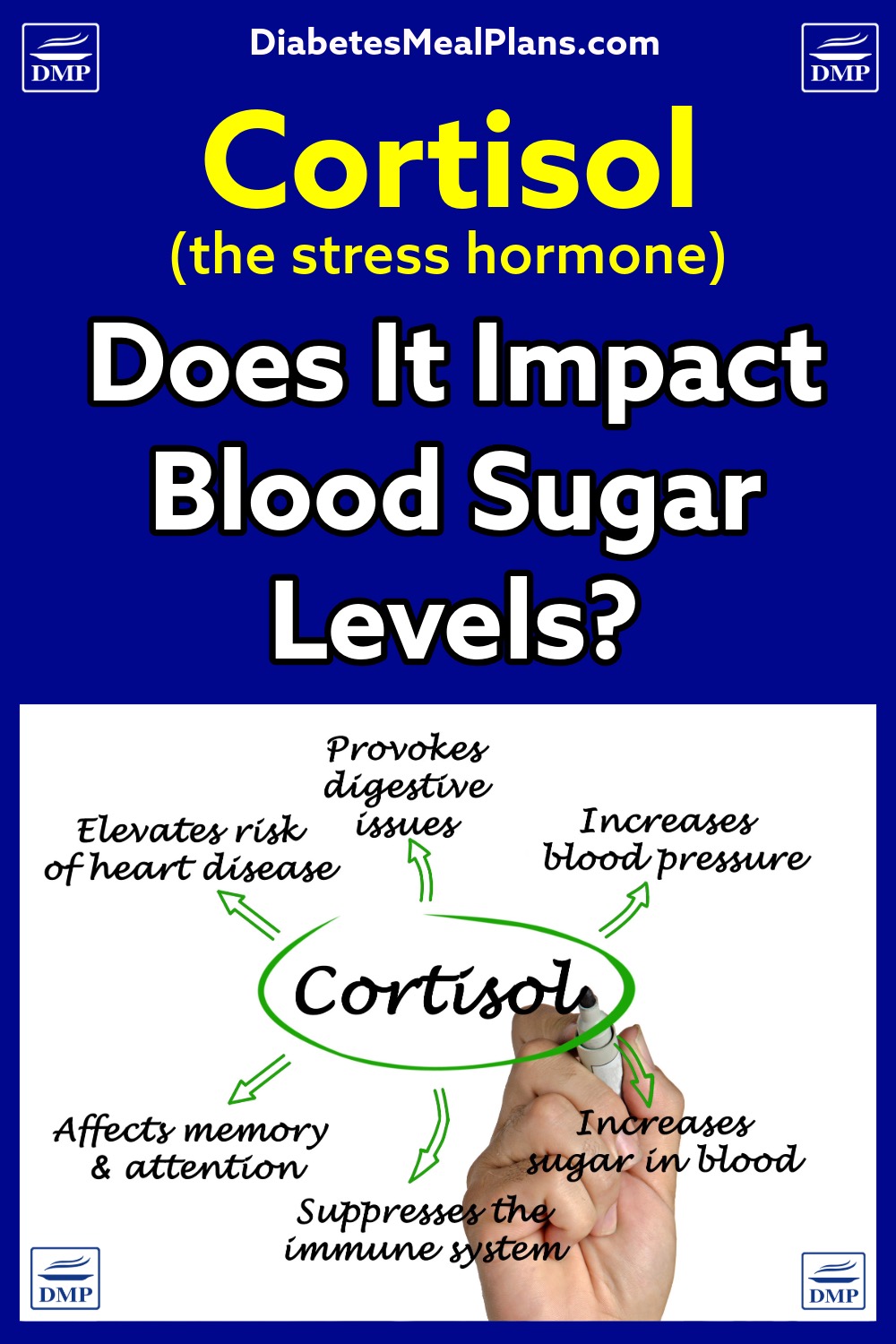
In short, yes, cortisol does increase blood glucose, and if cortisol remains high over time, it contributes to insulin resistance, weight gain, and harder-to-control blood sugars.




The Stress–Diabetes Cycle
One key step to improve your health is to recognize the cycle between stress and diabetes. Stress raises cortisol, which raises glucose.
High glucose levels then cause fatigue, mood swings and worry, which in turn increase stress. It becomes a feedback loop that can leave you feeling stuck.
But the good news is that breaking this cycle is absolutely possible. Lowering cortisol is not about eliminating stress completely, life will always bring challenges, but about teaching your body how to respond more calmly.
Practical Ways to Lower Cortisol
Here are evidence-backed strategies you can start using today:
- Prioritize sleep: Just one night of poor sleep can raise cortisol. Aim for 7–9 hours most nights. Good sleep hygiene helps, like having a dark room, cool temperature, and no late-night screens.
- Move your body: Moderate exercise such as walking, yoga, or cycling lowers cortisol and improves insulin sensitivity. High-intensity workouts can raise cortisol temporarily, so balance is important.
- Practice relaxation techniques: Breathing exercises, meditation or mindfulness can lower cortisol in as little as 10 minutes a day.
- Eat regularly and avoid excessive stimulants: Skipping meals, too much caffeine, or a high-sugar diet can all spike cortisol.
- Social connection: Spending time with friends, family, or supportive communities lowers stress hormones and improves emotional resilience.
Join Us As A Member Today: **Access over 1500+ diabetes-friendly recipes, weekly meal plans, food guides and ongoing support to reach your blood sugar goals.
When To Seek Help
If you find that stress feels overwhelming or you notice your blood sugars are staying high despite good efforts with food and exercise, it may be worth talking to your healthcare provider.
They can check for other issues that affect cortisol, such as Cushing’s syndrome, sleep apnea, or certain medications like steroids.
Conclusion
Cortisol is a natural hormone that helps you respond to stress, but when it stays high, it can raise your blood glucose and make managing diabetes much harder.
By learning to manage stress, improving sleep, moving your body and practicing calming habits, you give yourself powerful tools to keep both cortisol and blood sugar in check.
Remember, every small step counts. Supporting your body in lowering stress today can mean better blood sugar tomorrow, and a stronger, healthier future for you!


Leave a Reply