


Table of Contents[Hide][Show]
If you’re living with type 2 diabetes or prediabetes, managing your blood sugar levels is a top priority.
You’ve probably come across the term “modified food starch” in ingredient lists on various packaged foods.
But you may be wondering: Is modified food starch bad for diabetics?
Let’s break it down and explore how this ingredient could impact your blood sugar.

What is Modified Food Starch?
Modified food starch is a type of starch that has been chemically or physically altered to enhance its properties, such as texture, stability or shelf life.
It is commonly used as a thickening agent, stabilizer, or emulsifier in processed foods. Modified food starch can be derived from a variety of sources, including corn, wheat, potato or tapioca.
While modified food starch may sound like a safe ingredient, it’s essential to understand how it behaves in your body, especially with type 2 diabetes or prediabetes.
The Glycemic Index and Blood Sugar Impact
When considering the impact of any food on blood sugar, the glycemic index (GI) is a helpful tool.
The GI measures how quickly a carbohydrate-containing food raises your blood sugar. Foods with a high GI cause a rapid spike in blood glucose, while those with a low GI result in a slower, more controlled increase in blood sugar.
Modified food starches, like regular starches, tend to have a high glycemic index, meaning they can cause blood sugar to rise more quickly than foods with lower GI values.
Depending on how the starch is modified, it could be digested more rapidly, leading to faster glucose absorption and potentially higher blood sugar levels, which is something you want to avoid.
Modified Starch and Insulin Resistance
Diabetes is caused by insulin resistance, where your body becomes less responsive to insulin, the hormone responsible for helping your cells absorb glucose from your blood.
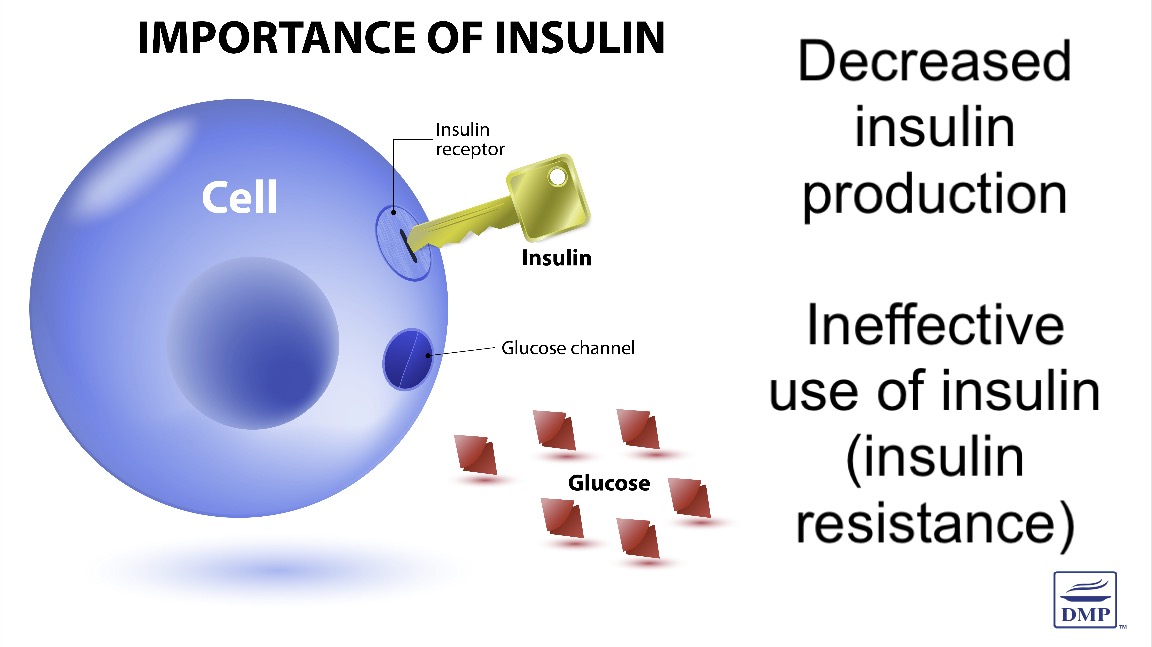
When you eat foods, especially high-GI foods, they can cause rapid increases in blood sugar, then your body has to produce more insulin to compensate. Over time, this can lead to insulin resistance becoming worse, making it harder to manage blood glucose levels.
Since modified starches often contribute to higher GI foods, frequent consumption of these products could contribute to insulin resistance, further complicating blood sugar control.
The Role of Fiber
Some modified starches, particularly resistant starches, may have a lower impact on blood glucose.
Resistant starches are a type of starch that the body doesn’t digest in the small intestine. Instead, they pass into the colon, where they are fermented by gut bacteria.
This process produces beneficial short-chain fatty acids, which can improve insulin sensitivity and lower inflammation.
But, the resistant starch needs to be a specifically formulated type of starch. Most modified starches are not resistant, meaning they are still broken down quickly and can cause the same blood sugar spikes as other high-GI foods.





Modified Wheat Starch Experiment
One of our members purchased a “keto” bread product.
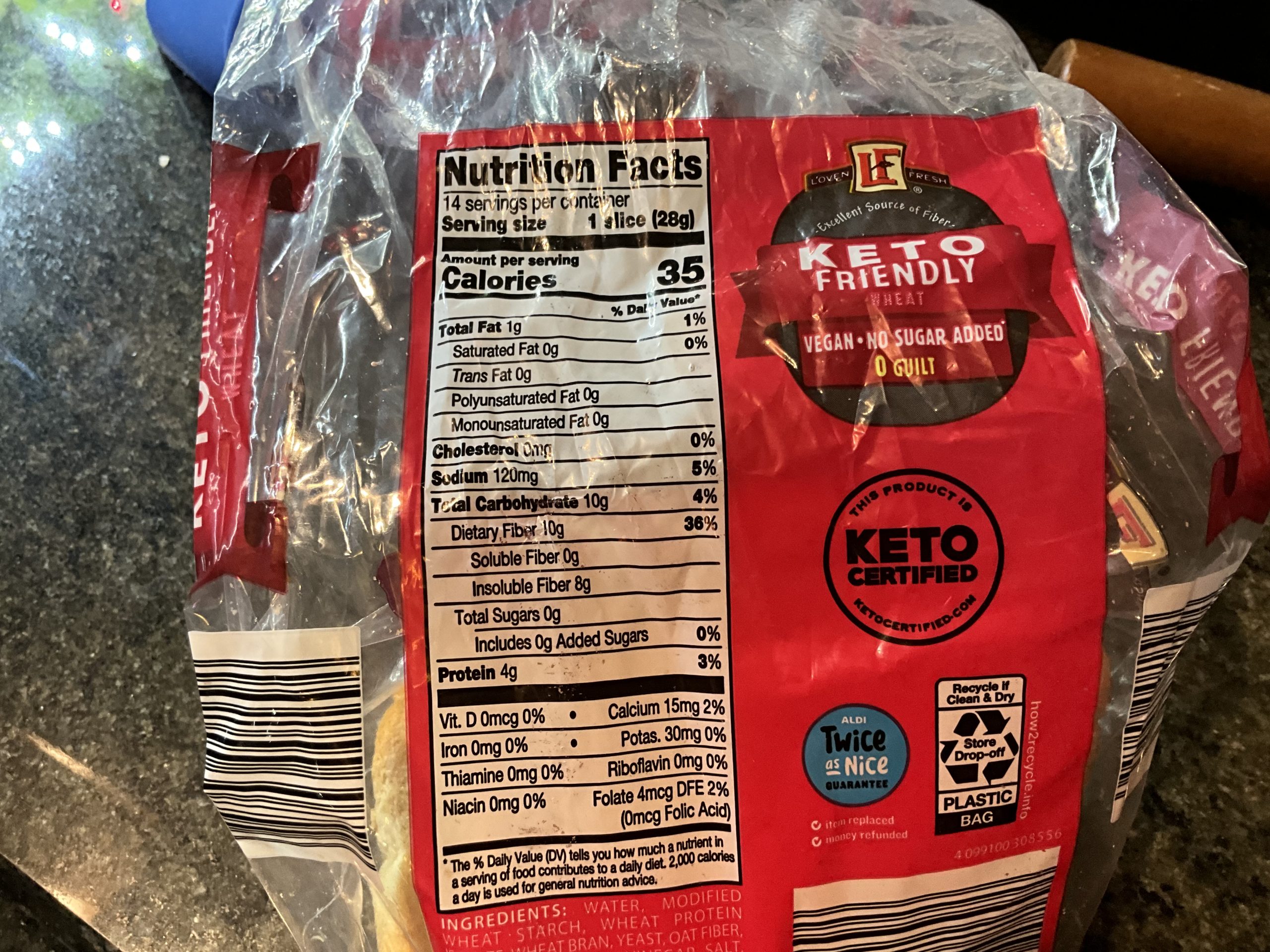
It claims to be “keto friendly wheat” and from the nutrition facts, appears to be “good” with only 2g net carbs per slice. You wouldn’t expect this bread to spike blood sugar. But it did, so we examined the ingredients.
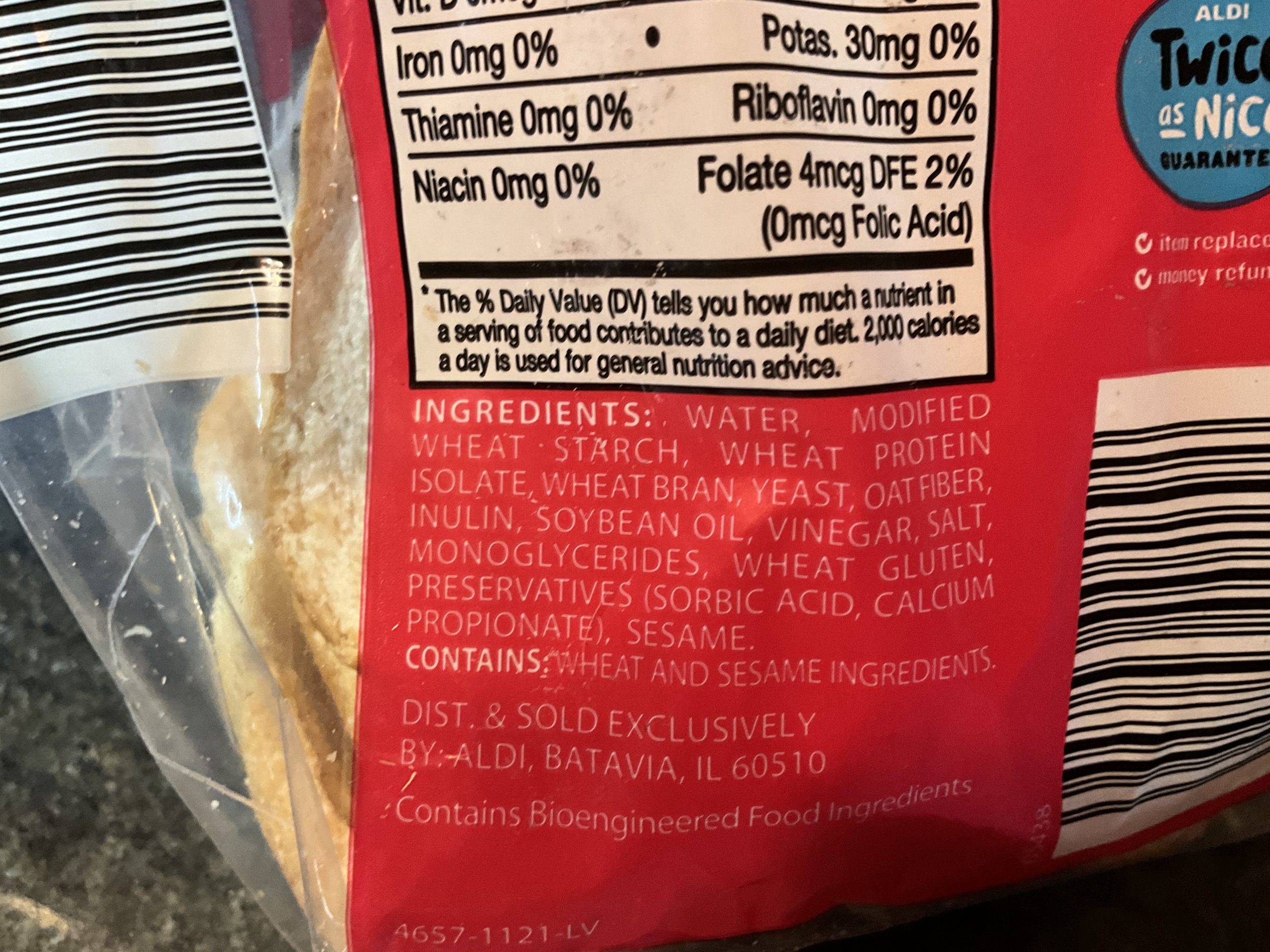
The key ingredient in this bread was modified wheat starch. Like other modified starches, this is a processed form of starch with a high GI.
In one experiment, blood glucose was tested using a continuous glucose monitor for a variety of foods, including modified resistant wheat starch, which you wouldn’t expect to spike blood sugar.
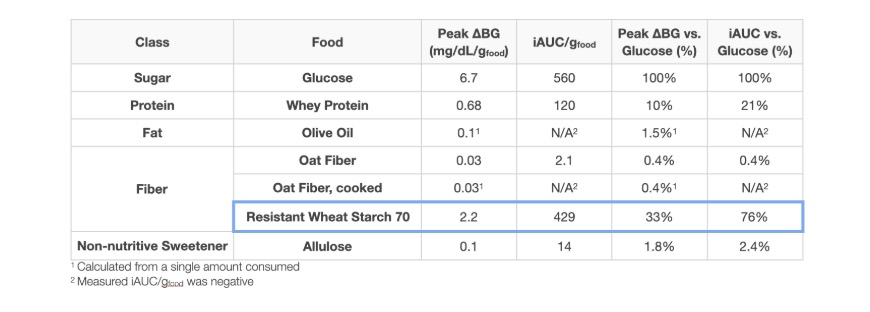
As the image displays, sugar reaches a 100% peak glucose response (as expected), while modified resistant wheat starch had a 33% peak and a 76% rise, in comparison to sugar.
Other foods like whey protein, olive oil and allulose, influenced blood glucose minimally – N/A for olive oil and 21% for whey protein.
This clearly demonstrates that modified wheat starch can significantly affect blood glucose and in this experiment there was an increase of 2.2 mg/dL (0.1 mmol/L) per gram of food consumed, which is quite a lot.
The message of the story here is: just because a “keto” product says it’s zero or low in net carbs, doesn’t mean it can’t contribute to a blood sugar spike!!
Is Modified Food Starch Always Bad for Diabetics?
While modified food starch can negatively impact blood sugar in many cases, it’s important to note that not all modified starches are created equal. The way a starch is modified and the amount of fiber it contains can affect how it behaves in the body.
For example, modified starches high in fiber or those that contain resistant starch may have a more favorable effect on blood sugar. However, these are not typically the starches used in most processed foods.
Many commercial products, such as packaged snacks, sauces and processed meats, contain modified starches that are low in fiber and rapidly digested. These are the types of modified starches that you want to be cautious about, as they are more likely to raise blood glucose levels.
Making Better Choices: What You Can Do
- Read Ingredient Labels: Start by checking the ingredient list for modified food starch and other high-GI ingredients like corn syrup or refined flours. Be particularly wary of foods where modified starch is one of the top ingredients, like the bread above. And, if you see multiple types of modified starches, it might be a good idea to look for an alternative.
- Opt for Whole Foods: Instead of processed foods, focus on whole, unprocessed foods like vegetables, and proteins like chicken and fish. These foods are naturally high in nutrients, which helps regulate blood sugar.
- Look for Fiber-Rich Products: If you do choose packaged foods, look for products that are labeled as high in fiber or contain resistant starch, as these will be less likely to cause rapid blood sugar increases. Some modified starches, such as chemically modified resistant starch, may be labeled as “RS4.”
Conclusion: Is Modified Food Starch Bad for Diabetics?
Modified food starch can be problematic for people with type 2 diabetes or prediabetes, especially if it is low in fiber and rapidly digested. These starches can contribute to blood sugar spikes and worsen insulin resistance over time.
Even if a food seems diabetes-friendly or is labelled “low carb” or “keto,” it may not be friendly FOR YOU. To manage your blood sugar, it’s best to avoid products with high amounts of modified food starch.
However, not all modified starches are harmful, resistant starches may improve insulin sensitivity, but you have to be certain you’re choosing the best types of starch, if contained in a processed food. Sometimes, even if a food says ‘resistant,’ it could potentially spike levels, so it can get a bit tricky.
Usually the best thing to do is avoid processed foods and choose nutrient dense whole foods, then you never have to worry about strange ingredients in processed foods!

Leave a Reply