


Many people with prediabetes and type 2 diabetes are doing their best to eat “healthy.” Choosing whole grains, low-fat options, fruit-based snacks and foods they’ve been told are “good” for them.
Yet their blood sugar numbers still climb.
One of the biggest reasons? Some very common foods cause rapid blood sugar spikes even though they’re often marketed as nutritious or diabetes-friendly.
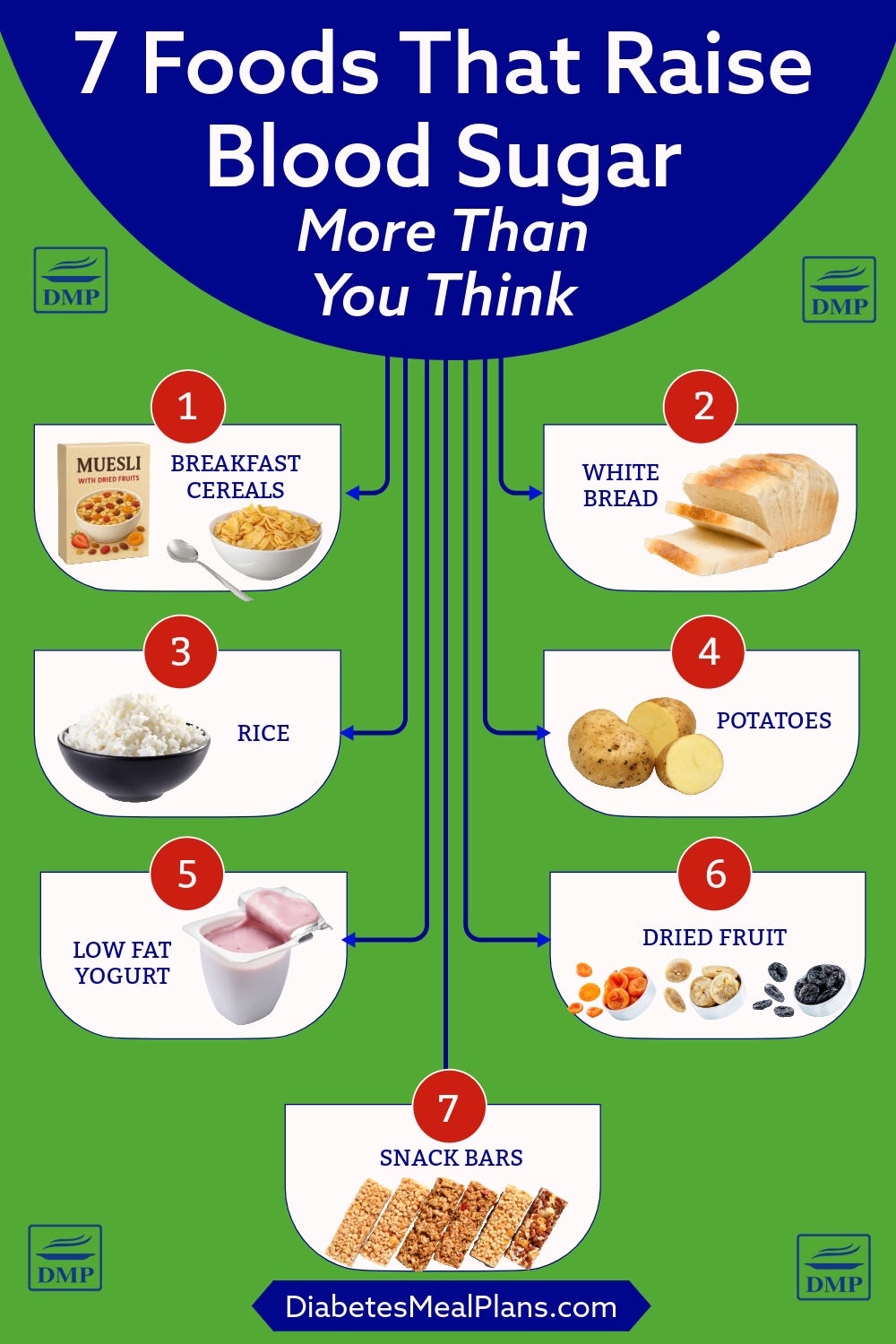
Let’s walk through seven evidence-backed foods that quietly raise blood sugar far more than most people realize.

1. Breakfast Cereals (Even the “Healthy” Ones)
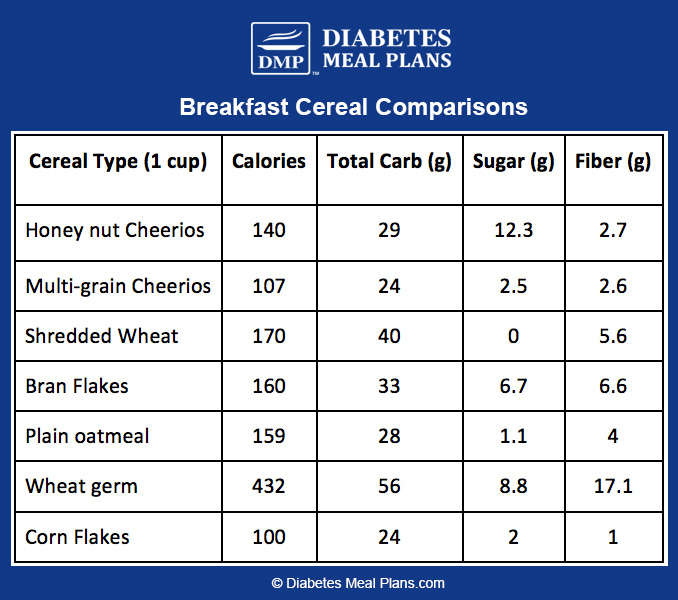
Breakfast cereal is one of the fastest ways to spike blood sugar first thing in the morning.
Research using both glycemic index testing and continuous glucose monitoring shows that many cereals including bran flakes, cornflakes, instant oats, and granola are digested extremely quickly. This leads to sharp rises in glucose (blood sugar) and insulin.
Why this happens: Most cereals are highly processed grains. Even when labeled “whole grain” the structure of the grain has usually been broken down making the starch easy for your body to turn into sugar.
Why it surprises people: Cereals are often marketed as high fiber, heart healthy or good for cholesterol. In reality many cereals raise blood sugar as fast as or faster than table sugar.
2. White Bread (And Most “Multigrain” Bread)
Bread is another major blood sugar driver.
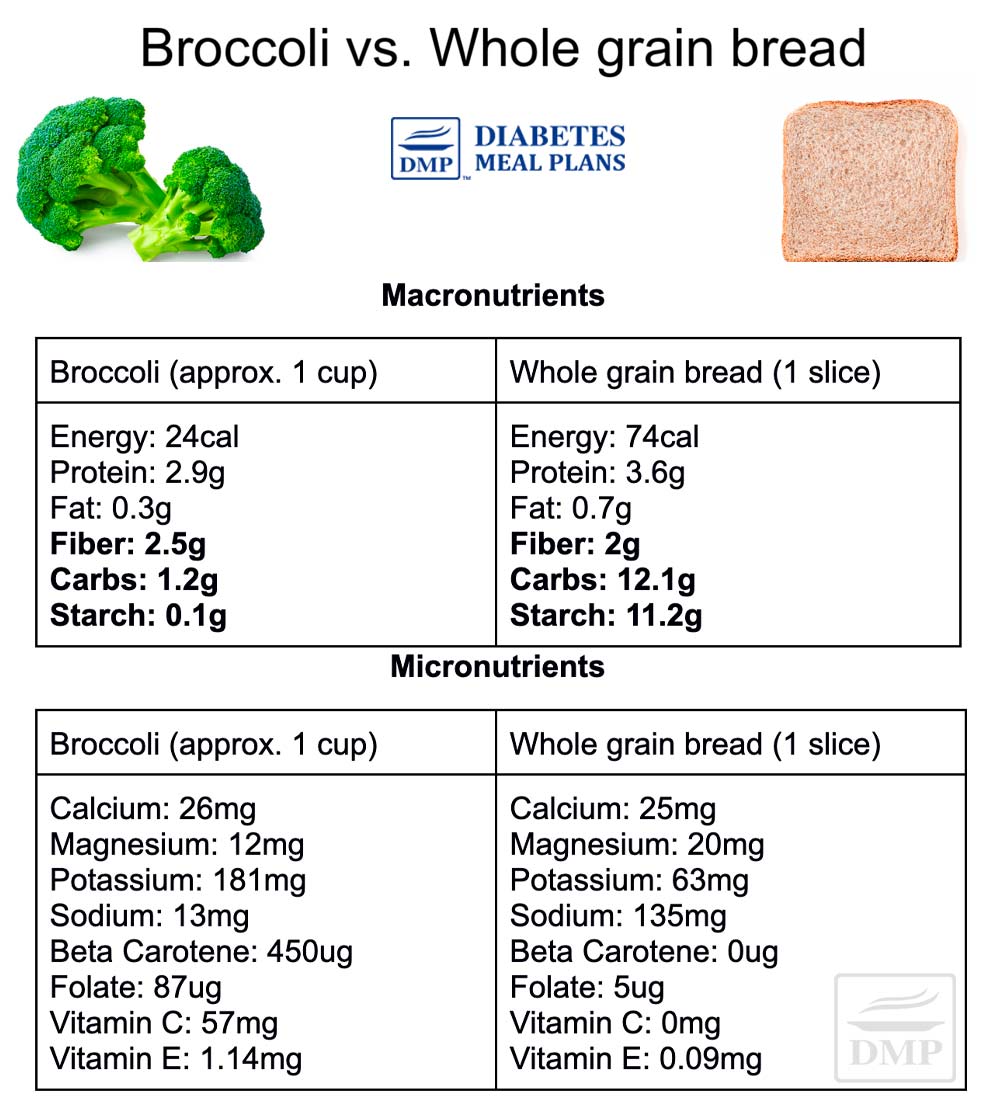
Studies consistently show that white bread causes rapid glucose spikes with a glycemic response close to pure glucose. Unfortunately many multigrain and wheat breads behave almost the same way.
Why this happens: Finely milled flour is quickly absorbed in the digestive system turning straight into glucose.
Why it surprises people: “Multigrain” sounds healthier but often just means several refined flours mixed together. Unless bread is very dense and minimally processed it usually leads to a fast rise in blood sugar.
Even when the bread is considered higher quality, sourdough bread for example, it can still lead to significant rises in blood sugar due to the high carbohydrate content in bread.
Choosing vegetables over carbohydrate foods like bread is always the most nutritious option.
3. Rice (White and Brown)
Rice is a staple food across many cultures but from a blood sugar perspective it packs a powerful glucose punch.
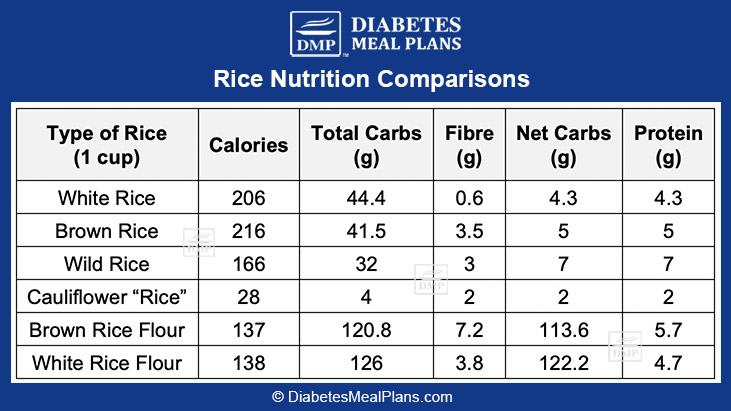
White rice ranks among the highest glycemic foods tested. Brown rice is slightly slower to digest but still causes significant post-meal blood sugar rises.
Large population studies have also linked higher rice intake with increased risk of developing type 2 diabetes.
Why this happens: Rice is almost pure starch and that starch is rapidly converted into glucose.
Why it surprises people: Brown rice is often promoted as a healthy swap yet it still drives blood sugar up quite quickly, as it only contains minimal fiber compared to the carbohydrates and starch.
4. Potatoes (Especially Mashed and Baked)
Potatoes may be vegetables but metabolically they act more like sugar than vegetables or salad.
Mashed potatoes baked potatoes and fries consistently rank near the top of glycemic index charts.
Why this happens: Potatoes contain rapidly digestible starch that causes a quick surge in glucose.
Why it surprises people: They’re natural and not sweet so most people assume they’re harmless. In reality potatoes can spike blood sugar more than many desserts. That includes sweet potatoes as well.




5. Low-Fat Flavored Yogurt
Yogurt can be a great food but low-fat flavored varieties are a different story.
When fat is removed sugar is usually added to improve taste. Many flavored yogurts contain 20 to 30 grams of sugar per serving sometimes more.
Why this happens: Without fat to slow digestion and with added sugars glucose enters the bloodstream quickly.
Why it surprises people: They’re marketed as light, healthy and good for digestion, but none of this is science-backed.
Plain full-fat yogurt behaves very differently metabolically. It tends to cause much smaller blood sugar rises and is healthier than low fat yogurt.

6. Dried Fruit
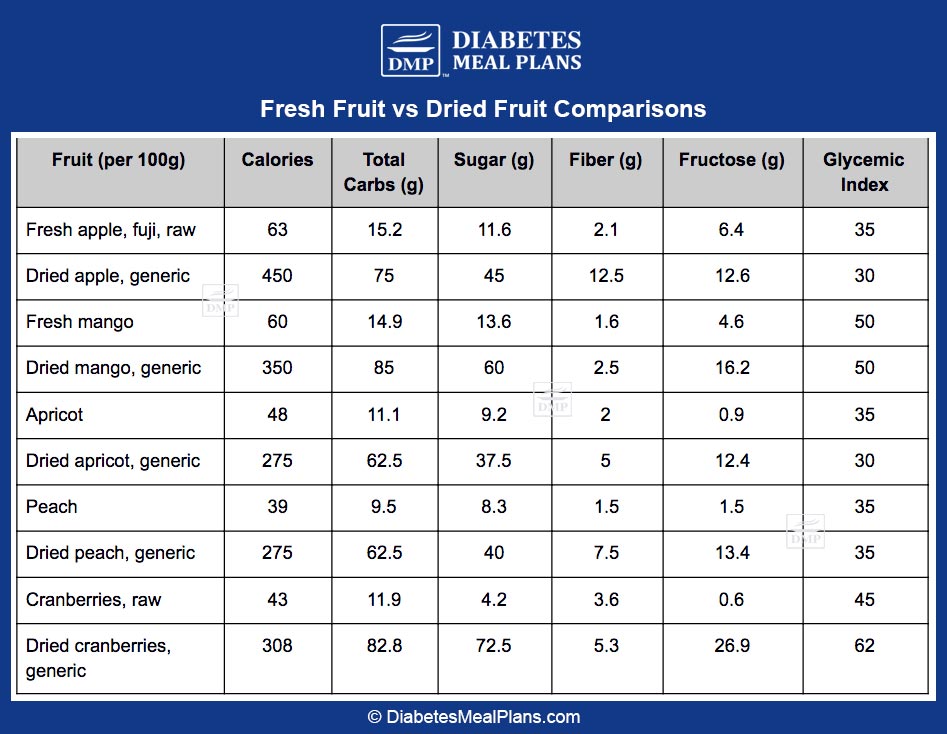
Dried fruit sounds wholesome but it’s essentially concentrated sugar.
When water is removed the natural sugars become highly packed. A small handful of raisins or dates can equal the carbohydrate load of several pieces of fresh fruit.
Why this happens: The sugar content becomes dense and fiber is less effective at slowing absorption in dried form.
Why it surprises people: It’s natural and often recommended as a snack. Dried fruit is not a good snack! It is super high in carbs and sugars that will cause blood sugar to go up, up, up!
7. “Healthy” Snack Bars and Energy Bars
Many snack bars are marketed as high protein, high fiber or made with natural ingredients.
Yet most are built around oats, syrups, honey, dates or rice syrup, which are all fast-acting carbohydrates.
Blood sugar testing shows that many bars raise glucose similarly to candy bars.
Why this happens: They combine refined carbs with concentrated sugars in a compact form.
Why it surprises people: The health halo of protein and fiber claims.
The reality is, even bars labeled “natural” or “whole food based” often spike blood sugar significantly.
Why These Foods Matter
What all these foods have in common is their carb load and digestive speed.
They’re digested quickly and deliver glucose into the bloodstream fast leading to
- Blood sugar spikes
- Higher insulin release
- Greater glucose variability
- More strain on metabolism over time
For many people these hidden spikes explain why A1c levels don’t improve despite “eating healthy.”
It’s not about willpower. It’s about understanding how foods actually affect blood sugar in the body.
Hidden blood sugar spikes don’t come from obvious junk food alone. They often come from everyday foods that seem healthy on the surface.
Once you know which ones quietly drive glucose up and what to eat instead, managing blood sugar becomes far more achievable.
Want a simple list of what to eat (and what to limit)?
👉 Get Dr Jedha’s Free Food List
It’s based on metabolic research and what consistently helps people lower blood sugar and A1c.

Leave a Reply