


If you’re living with type 2 diabetes or prediabetes, you already know how important blood sugar balance is for your health.
You may have heard a lot about insulin, the hormone that lowers blood sugar, but did you know there are also hormones that raise blood sugar?
Let’s explore the key hormone responsible, how it works, and why understanding it gives you more power to manage your diabetes.
The Main Hormone That Raises Blood Sugar
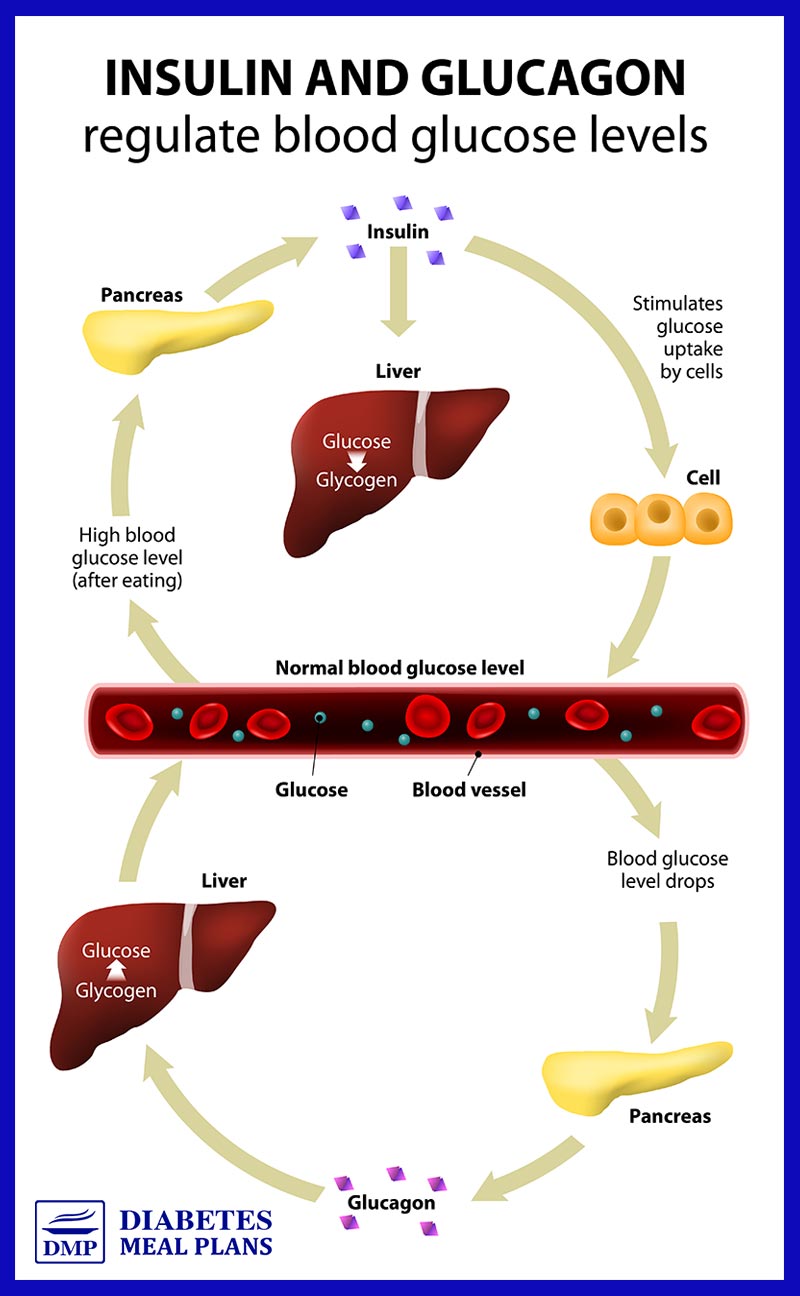
The primary hormone that raises blood glucose levels is glucagon. While insulin lowers blood sugar by helping your cells absorb and use glucose, glucagon does the opposite.
Its main role is to make sure your body has enough sugar in the bloodstream to fuel your brain and muscles, especially between meals or during the night when you’re not eating.
Glucagon is produced by the alpha cells in your pancreas. When your blood sugar starts to drop, your pancreas releases glucagon, which signals your liver to break down stored glucose (glycogen) and release it back into the bloodstream.
This is how your body prevents dangerously low blood sugar, also called hypoglycemia.




Other Hormones That Influence Blood Sugar
Glucagon is the main hormone that raises blood sugar, but it isn’t the only one involved. Your body has a backup system of hormones that also push blood sugar up, especially during times of stress or illness. These include:
- Cortisol: Known as the stress hormone, cortisol raises blood glucose by stimulating the liver to produce more sugar. Chronic high cortisol, often from stress or poor sleep, can contribute to insulin resistance.
- Adrenaline (epinephrine): Released during the “fight-or-flight” response, adrenaline quickly raises blood sugar to give your body energy for immediate action.
- Growth hormone: This hormone, important for growth and repair, also increases blood sugar levels, particularly overnight.
Together, these hormones are sometimes called counter-regulatory hormones because they counterbalance the action of insulin.
These counter-regulatory hormones are also the hormones that raise morning blood sugar levels, called the Dawn Phenomenon.

Hormone Reductions And Blood Sugar Changes
It’s not only the hormones that raise blood sugar which matter, but also the decline of certain hormones that normally help keep glucose balanced. A key example is estrogen.
Estrogen supports insulin sensitivity, meaning it helps your body use insulin more effectively. As estrogen levels drop during perimenopause and menopause, insulin sensitivity often decreases. This can lead to higher fasting glucose, more stubborn weight gain around the middle, and an increased risk of developing type 2 diabetes.
Other hormones, like progesterone and testosterone, also shift with age and can influence blood sugar control. Lower levels of these hormones may make it harder to maintain stable glucose, especially when combined with lifestyle factors like stress, poor sleep or low physical activity.
For women, this explains why managing blood sugar can feel more difficult during midlife, even if eating habits haven’t changed much.
Recognizing the role of hormone decline can help you take extra care during this stage by adjusting nutrition, improving sleep and staying active to offset the changes.

One Key Step To Improve Your Health
Understanding that glucagon and other hormones raise blood sugar highlights why lowering carbohydrate intake is so effective.
Carbohydrates are the nutrient that influences your blood sugar the most, more than other macronutrients.
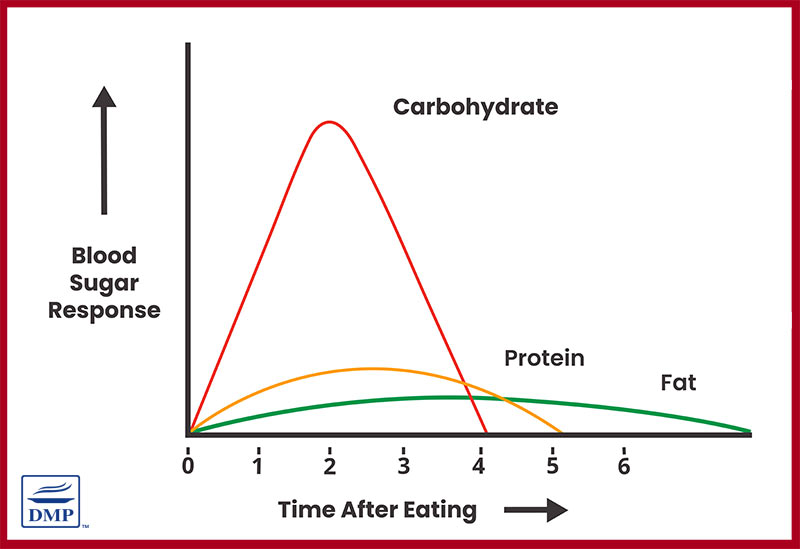
When you eat fewer carbs, you reduce the amount of sugar your body has to handle, which lowers insulin demand and helps calm down the liver’s overproduction of glucose.
Research consistently shows that reducing daily carbohydrates improves both fasting glucose and A1c levels. By keeping carbs in check, you’re working with your hormones instead of against them.
Conclusion
The hormone that raises blood glucose the most is glucagon, supported by cortisol, adrenaline and growth hormone. In people with type 2 diabetes or prediabetes, glucagon often runs too high, and stress hormones can make things worse, leading to higher fasting and overall blood sugar.
By focusing on diet, particularly reducing the amount of carbohydrates you eat and choosing quality carbohydrates, you can bring these systems back into better balance as it directly reduces the burden on insulin and glucagon and helps you achieve steadier blood sugar.
Remember, your body is designed with powerful systems to protect you. By understanding how these hormones work, you can make smarter choices every day to move closer to normal blood sugar and better long-term health.

Leave a Reply