


Table of Contents[Hide][Show]
- LISTEN TO THE PODCAST
- CHAPTERS
- Cocoa vs Chocolate: What’s the Difference?
- Cocoa’s Benefits for Blood Sugar and Beyond
- Not All Chocolate Is Created Equal
- Chocolate Nutrition Comparison (Per 30g/ 1oz serve)
- How to Enjoy Cocoa Without the Spike
- Choose Smart. Eat Happy.
- Final Thought: Cocoa as a Simple Superfood
- Transcript
If you’ve ever thought chocolate is completely off-limits with type 2 diabetes or prediabetes, you’re not alone.
In this episode, you’ll learn why chocolate — when chosen wisely — doesn’t have to be a guilty pleasure. In fact, it can even support good diabetes health – as the key ingredient in chocolate is a diabetes superfood!
LISTEN TO THE PODCAST
CHAPTERS
2:00 Cocoa, a diabetic superfood
8:41 Yes, diabetics can eat chocolate!
9:20 Choosing chocolate tips
11:19 Chocolate nutrition comparisons14:15 Diabetes chocolate options
Support the podcast by leaving a 5-star rating and review on Apple, Spotify or our Website – Thank You!
Cocoa vs Chocolate: What’s the Difference?
Cocoa is made from fermented and roasted cacao beans. It’s what gives chocolate its rich flavor and color. The big difference?
Pure cocoa powder has no added sugars or fats, while most store-bought chocolate bars — especially milk and white chocolate — do.
Cocoa powder is naturally:
- Low in carbohydrates (1g net carbs per tablespoon)
- High in fiber
- Rich in magnesium, iron, potassium, and zinc
- Packed with flavanols — powerful antioxidants
These flavanols are the compounds responsible for many of cocoa’s health benefits, especially when it comes to blood sugar, heart health, and inflammation.
Cocoa’s Benefits for Blood Sugar and Beyond
Cocoa isn’t just a tasty addition to your recipes — it’s backed by strong scientific evidence. Here’s what cocoa may help with:
- Improved insulin sensitivity: Randomized controlled trials have found that cocoa flavanols significantly improved how the body responded to insulin in just a few weeks.
- Lower fasting blood glucose levels
- Reduced oxidative stress and inflammation: Cocoa can help reduce cellular damage, which is often elevated in diabetes.
- Lower blood pressure and improved circulation
- Healthier cholesterol levels: Increased HDL and reduced LDL
- Enhanced mood: Cocoa supports serotonin and endorphin release — your natural “feel-good” chemicals
This makes cocoa a unique food that can offer real benefits for both blood sugar control and overall wellbeing.




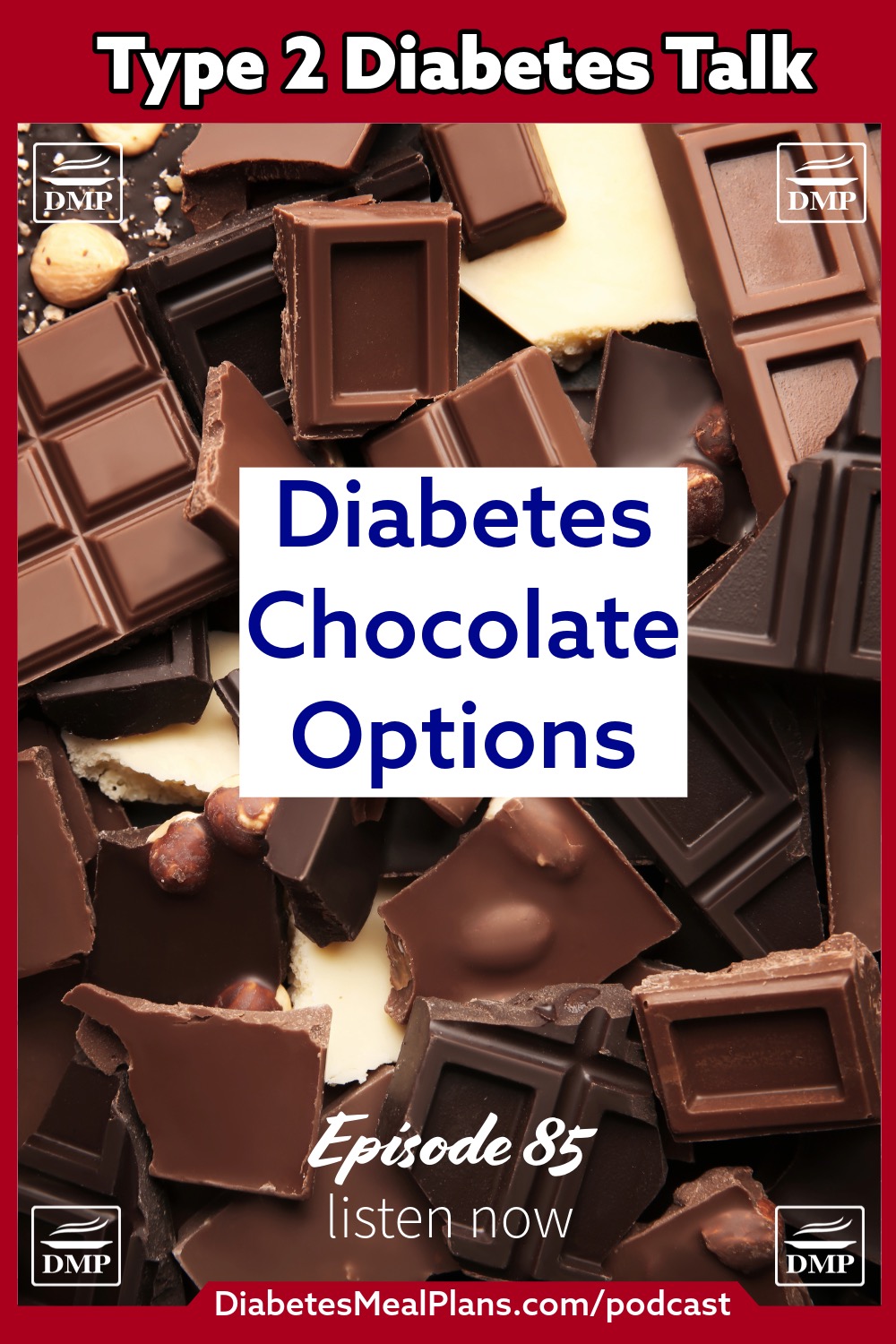
Not All Chocolate Is Created Equal
Yes, you can eat chocolate with diabetes — but you need to be choosy. The type you pick makes a big difference.
Here’s what to look for when buying chocolate:
- Cocoa content: Look for chocolate with at least 70% cocoa content. Higher is better. Dark chocolate is your friend — not milk or white chocolate.
- Added sugars: Keep this as low as possible, or aim for zero. Sugar-free options using stevia, erythritol, or allulose are best.
- Total carbs per serve: Lower carb = better blood sugar response.
- Portion size: Always check how much a single serve is and stick to it.
You’ll notice that as the cocoa content increases, the sweetness decreases — but so does the sugar. If 85% dark chocolate is too bitter for your taste, start with 70% and adjust from there.
Chocolate Nutrition Comparison (Per 30g/ 1oz serve)
To give you a clearer picture, here’s how different chocolate types compare nutritionally:
- White chocolate
- 17–19g carbs
- 16–18g sugar
- 0g fiber
- 0% cocoa solids
➤ No flavanols, just sugar and fat. Best avoided.
- Milk chocolate
- 15–17g carbs
- 14–16g sugar
- ~1g fiber
- ~30–40% cocoa
➤ Still very sugar-heavy, with limited cocoa benefit.
- 70% dark chocolate
- 8–14g carbs
- 4–9g sugar
- ~3g fiber
➤ A better balance of sugar and cocoa — a decent option in small amounts.
- 85% dark chocolate
- 7–9g carbs
- 3–5g sugar
- ~4g fiber
➤ Best choice for blood sugar and health benefits — lower sugar, higher flavanols.
How to Enjoy Cocoa Without the Spike
Unsweetened cocoa powder is one of the best low-carb, diabetes-friendly ingredients you can use. It gives you flexibility and full control over the sugar and carb content in your meals.
Here are some easy ways to enjoy it:
- Add cocoa to smoothies
A tablespoon in your morning breakfast smoothie adds antioxidants and flavor without raising your blood sugar levels. - Make your own hot chocolate
Mix cocoa powder with unsweetened almond or soy milk, add cinnamon or vanilla, and sweeten with stevia or erythritol. - Create low-carb chocolate treats
Try cocoa in chia pudding, chocolaty Greek yogurt bowls, or even sugar-free protein bars. - Bake with cocoa
Use it in low-carb recipes with almond or coconut flour and safe sweeteners. Think: chocolate fudge, mousse, cookies, or even a rich mud cake.
If you’re a member, check out the chocolate recipe collection in the library alongside episode 85 for inspiration.
Choose Smart. Eat Happy.
Here’s your simple checklist for making chocolate work for your health:
✅ Choose dark chocolate with at least 70–85% cocoa
✅ Look for low sugar or sugar-free versions
✅ Stick to a reasonable portion size
✅ Use unsweetened cocoa powder in your own recipes
✅ Sweeten with stevia, erythritol, or allulose — not sugar
👉Check out these great options here.
It’s not about giving up chocolate. It’s about making smart swaps that let you enjoy it without sabotaging your blood sugar goals.
Final Thought: Cocoa as a Simple Superfood
Cocoa powder isn’t just a treat — it’s a nutrient-rich, diabetes superfood that supports your insulin sensitivity, cardiovascular health, cholesterol, and even mood.
Whether it’s a piece of 85% dark chocolate or a homemade low-carb dessert, YOU can absolutely enjoy chocolate — guilt-free — as part of a balanced, blood sugar-friendly lifestyle.
So go ahead. Choose wisely, enjoy mindfully, and eat your chocolate with confidence.
Happy chocolate eating!
Transcript
Click Here To View
Dr Jedha, Host
Hello, Dr Jedha here and welcome to episode 85. Today, we’re exploring a topic that brings up a lot of questions (and cravings!) — chocolate. We’re going to explore chocolate options and uncover whether chocolate can actually be part of a blood sugar-friendly lifestyle.
Now, before you think, “There’s no way I can eat chocolate with diabetes,” hold that thought. Because the truth is, not all chocolate is created equal — and there’s one primary ingredient in chocolate that offers some pretty impressive health benefits, even for blood sugar. That ingredient….cocoa.
In this episode, you’ll learn what makes cocoa different from regular chocolate, how to spot the best chocolate options on the shelf, and easy ways to include chocolate in your diet without spiking your blood sugar. If you love chocolate (and who doesn’t?) then this episode is going to bring you clarity so you can enjoy chocolate without any guilt.
02:00
Let’s start by clearing something up — what exactly is cocoa, and how is it different from the chocolate you find in the supermarket checkout line?
Cocoa comes from the seeds of the cacao tree. These seeds, or beans, go through a fermentation and drying process, then are roasted and ground. The result is what we call cocoa powder — the rich, dark substance that gives chocolate its distinctive flavor. This is the ingredient I want you to get familiar with.
Now, you might also see the word cacao floating around — that usually refers to the raw or less-processed version, and it’s nutritionally very similar to cocoa. But for everyday use, most people are working with unsweetened cocoa powder — and that’s what we’ll be talking about today.
What’s really great about cocoa powder is that it’s low in carbohydrates, high in fiber, and packed with nutrients. For just one tablespoon, you’re looking at about 3 grams of carbs, 2 of which are fiber — so really only 1 gram of net carbs. That’s very blood sugar-friendly.
Cocoa powder is also rich in magnesium, which is especially important for people with diabetes because it helps improve insulin sensitivity and plays a role in blood sugar control. You’ll also find iron, potassium, zinc, and a powerful group of antioxidants called flavanols.
Flavanols are where the magic happens. They’ve been studied for their ability to support cardiovascular health, reduce inflammation, improve blood flow, and even enhance cognitive function — all areas that are important when you’re working to manage or reverse type 2 diabetes or prediabetes.
But here’s the key — cocoa powder on its own doesn’t contain added sugar or fat. It’s not the same as milk chocolate or even most dark chocolates, which often come with added ingredients that can spike your blood sugar.
Cocoa is the pure, nutritious foundation of chocolate. And when you choose the right type and use it the right way, it can absolutely be part of your diabetes-friendly lifestyle.
Cocoa isn’t just a delicious flavoring — it has some pretty impressive science behind it, especially when it comes to blood sugar and insulin sensitivity. And this is where cocoa stands out from just being a tasty treat.
One of the most exciting areas of research is around insulin resistance, which, as you may know from previous episodes, is a core issue in type 2 diabetes and prediabetes. The flavanols in cocoa have been shown to help improve how your body responds to insulin — which is critical for lowering and stabilizing blood sugar levels.
In a randomized controlled trial, people who consumed high-flavanol cocoa saw significant improvements in insulin sensitivity after just a few weeks. That’s a short time for a pretty meaningful shift. The researchers found that cocoa flavanols helped the blood vessels function better and improved insulin’s ability to do its job — helping glucose move out of the bloodstream and into the cells where it’s needed.
Another study found that cocoa flavanols can reduce oxidative stress — think of this like the internal “wear and tear” your body’s cells experience, which is often elevated in people with diabetes. Oxidative stress contributes to inflammation, insulin resistance, and even long-term complications, so reducing it is a big deal.
And here’s a bonus: cocoa doesn’t just support blood sugar control — it supports your heart as well.
This is important, because cardiovascular disease is a leading complication in diabetes. Cocoa flavanols have been shown to help lower blood pressure, improve blood vessel flexibility, and increase the production of nitric oxide, a compound that relaxes and widens blood vessels to enhance circulation (Buijsse et al., 2016). Better blood flow means better delivery of nutrients and oxygen throughout your body, and that’s a win for both your heart and your metabolic health.
And let’s not forget about cholesterol. Studies have showed that cocoa flavanols can increase HDL cholesterol — the “good” kind — and lower LDL cholesterol — the “bad” kind — which further reduces your risk of heart disease (Mellor et al., 2010).
Plus, there is one other reason we love chocolate that goes beyond sugar. Cocoa can stimulate the release of our “feel-good” neurotransmitters like serotonin and endorphins, which help improve overall mood and reduce feelings of anxiety and depression.
So just to recap, here’s what cocoa may help with:
* Improved insulin sensitivity
* Lower fasting blood glucose levels
* Reduced oxidative stress and inflammation
* Lower blood pressure and improved circulation
* Healthier cholesterol levels
*And chocolate enhances our feel-good hormones
That’s a pretty remarkable list from something as simple as a spoonful of unsweetened cocoa powder. In many ways you can think of cocoa as a simple superfood you can add regularly to your routine to obtain these health benefits.
08:41
Okay we know there are benefits from eating unsweetened cocoa powder, but does that mean eating chocolate bars every day is okay. Not really.
Can you eat chocolate with diabetes? The answer is absolutely yes — but… you have to be choosy. Not all chocolate is created equal, and the type you pick makes all the difference.
Let’s break this down.
Most chocolate products you’ll find in supermarkets — especially milk chocolate — are loaded with added sugar. Even some dark chocolates, which sound like a healthier option, can still have quite a bit of sugar added to them.
09:20
So the next time you pick up a chocolate bar, the most important step is to flip it over and read the label.
And here’s some key things to look out for:
High cocoa content of at least 70% or higher and the ones with 85% or higher are even better because more cocoa and less sugar. Of course we are talking about dark chocolate here. Dark chocolate is your friend with diabetes, while others like milk chocolate or white chocolate, they won’t provide the benefits of being rich in cocoa and they will be much higher in sugar.
Which brings us to the next thing on labels, the added sugar content – keep this as low as possible, or aim for zero. Low in carbs and low in sugar is the key to enjoying chocolate while keeping your blood sugar and A1c levels happy.
And take note of the portion size and stick to it. You can easily consume more than one portion, which could push your blood sugar levels up higher than you’d like them to be.
One thing you will notice is that when the cocoa content goes up, the sweetness goes down — that’s actually a good thing. The higher the cacao/cocoa content, the more flavanols and antioxidants you’re getting, and the lower the sugar content tends to be. That said, lots of people can’t stand the bitterness of dark chocolate that’s 85%, so at the very least, aim for one that is 70% cocoa. This can help give you a nicer balance between sweetness, health benefits and satisfaction. But again, just keep in mind that when it comes to carbs and sugar, a portion of 70% cocoa-enriched chocolate, might be a smaller portion than 85% cocoa-enriched chocolate.
11:19
To give you a better idea of how different chocolate types compare, let’s take a quick look at the average nutrition content.
Let’s start with white chocolate. Despite the chocolate name, white chocolate doesn’t actually contain any cocoa solids — just cocoa butter, sugar, and milk. In a small 30-gram serving, which is about three squares, you’re looking at roughly 17 to 19 grams of carbs, almost all of that from sugar — around 16 to 18 grams. There’s zero fiber and zero flavanols. In other words, no health benefits and a whole lot of sugar. White chocolate is definitely not something we generally recommend.
White chocolate is all sugar. White chocolate can range from 18-26g per serve and the carbs and sugars are usually the same. 19g carbs, 19 g sugars!
Next is milk chocolate, which does contain some cocoa — usually around 30 to 40 percent — but it’s still mostly sugar. In that same 30-gram serving, you’ll get 15 to 17 grams of carbs, with about 14 to 16 grams of sugar, and maybe 1 gram of fiber. So again, quite a sugar hit with minimal nutritional value.
17-19g carbs per serve, 15-17g sugar, 1 g fiber
Now let’s move to 70% dark chocolate. This is where things start to improve. You’re getting more cocoa and fewer added sugars. For 30 grams, you might see around 11 to 14 grams of carbs, 6 to 9 grams of sugar, and about 3 grams of fiber. It’s a better option, especially if you just want a small square or two to satisfy a craving.
And finally, 85% dark chocolate — if you enjoy the bitterness, this is what we often recommend if you’re going to buy store-bought chocolate. It typically has around 7 to 9 grams of total carbs, only 3 to 5 grams of sugar, and about 4 grams of fiber per serve. Plus, with the higher cocoa content, you’re getting more of those beneficial flavanols. It’s still a treat, but much more aligned with blood sugar-friendly eating.
So as you go higher in cocoa content, you get less sugar, more fiber, and more benefits — which is exactly what you want when making a smart chocolate choice.
14:15
As we’ve established, when it comes to chocolate, your best option is dark chocolate and go as dark as you can go, but a minimum of 70% cocoa is the goal. Another great option is chocolate sweetened with safe sugar substitutes like stevia, erythritol or allulose. These won’t raise your blood sugar and still give you that rich, chocolatey taste. When it comes to chocolate, you’ll actually be pleasantly surprised that there are lots of options available – both low sugar dark chocolate options and sugar free options as well. So to help you out with choices, we’ll leave a list of good chocolate brands in the show notes for you to explore, so you can head over to our website to find that and members, you can find this info alongside episode 85 in the members library.
One thing we recommend to many of our members is to make your own chocolate treats at home using unsweetened cocoa powder. This gives you full control over the ingredients — no hidden sugars or strange additives.
Here are some ideas:
Mix cocoa into Your Smoothies or Shakes: Adding a tablespoon of cocoa powder to a smoothie is a great way to boost your antioxidant intake while keeping your blood sugar in check.
Make Your Own Hot Chocolate: Mix unsweetened cocoa powder with your choice of milk—unsweetened almond, soy milk, cow’s milk or half-and-half. Add a touch of natural sweetener like stevia or erythritol for a satisfying treat without the sugar.
Bake a cake: We’ve got a very decadent chocolate mud cake recipe that is low in carbs and sugar and incredibly satisfying. Feed this to family and friends and they won’t even know it’s sugar free.
Create your own chocolate chia pudding or yogurt bowls with a tablespoon of cocoa, plain Greek yogurt, and a sprinkle of nuts or seeds.
In fact, using safe sweeteners, which we cover in episode 49, you can make all sorts of cocoa-rich decadent chocolate desserts – chocolate mousse, chocolate cake, chocolate milkshake, chocolate pudding, chocolate fudge, chocolate protein bars, chocolate cookies, chocolate nut bars – the ideas are endless.
If you’re one of our members, we’ll leave all our chocolate recipes alongside this episode, because there are lots of delicious ways to use cocoa for its health benefits and for its enjoyment. And one additional benefit of homemade chocolate treats is you enjoy the flavor and benefits of cocoa without the blood sugar spikes that come with typical chocolate products.
To recap:
Should You Avoid Chocolate? Absolutely not! Chocolate is a YES food!
However, you must choose wisely. Many commercially available chocolates contain added sugars that can spike your blood sugar and negatively impact your health goals. If you do want to enjoy chocolate, look for products with high cocoa content and check the label for the carb and added sugar content. Remember, the higher the cocoa content, the more likely you are to benefit from the flavanols and the lower the sugar, the less impact on blood sugar levels.THINK: DARK CHOCOLATE! Dark chocolate is your friend.
When it comes to cocoa powder, it isn’t just a treat — it’s a nutrient-rich, low-carb ingredient that can support insulin sensitivity, heart health, cholesterol and boost those feel-good hormones. So whether it’s adding a dark chocolate treat to your routine or indulging in delicious cocoa-rich treats, you can enjoy the rich flavor and potential health benefits without sabotaging your blood sugar! Of course, you might not want to indulge 3 times a day, but certainly enjoy chocolate and chocolaty treats as a regular part of your eating routine and by choosing the right options, you can certainly do so without any guilt!
So, happy chocolate eating!
That’s all from me today.
Dr Jedha, over and out.


Subscribe to Type 2 Diabetes Talk on: Apple | Spotify | Amazon Music | Audible | YouTube | Podcast Index | Player FM | and more…
Leave a Reply