


Table of Contents[Hide][Show]
- LISTEN TO THE PODCAST
- What the New U.S. Nutrition Guidelines Get Right—and Where Diabetes Care Still Falls Short
- A Rare Shift in National Nutrition Policy
- Why Protein Is Finally Being Taken Seriously
- Full-Fat Dairy Is No Longer the Villain
- Ultra-Processed Food: Stronger Language, Clearer Message
- The Turning Point: Lower-Carbohydrate Diets Acknowledged
- So Why Do Diabetes Guidelines Still Miss the Mark?
- One Key Step You Can Take Right Now
- Transcript
For the first time in years, national nutrition guidelines are finally starting to reflect real metabolic science — yet diabetes care guidelines remain vague, cautious, and largely unchanged.
In this episode, you’ll learn what’s shifted, what hasn’t, and why this disconnect explains so much of the confusion people experience when trying to lower blood sugar and A1c.
LISTEN TO THE PODCAST
Support the podcast by leaving a 5-star rating and review on Apple, Spotify or our Website – Thank You!
What the New U.S. Nutrition Guidelines Get Right—and Where Diabetes Care Still Falls Short
If you’ve ever felt confused about what to eat for blood sugar control, you’re not imagining it.
In this episode of the podcast, you’ll learn why that confusion exists—and why it’s not your fault.
For the first time in years, the national nutrition guidelines in the United States have made meaningful progress, while diabetes-specific guidelines remain largely unchanged.
That gap explains why so many people feel like they’re “doing everything right” and still not seeing improvements in blood sugar, A1c, or weight.
Let’s break down what’s changed, what hasn’t, and what actually matters for your health.

A Rare Shift in National Nutrition Policy
In January 2026, the Dietary Guidelines for Americans (2025–2030) were released. These guidelines influence school meals, hospital food, government programs, and the nutrition advice given to millions of people worldwide.
For the first time in decades, the message has shifted away from “base your diet on carbohydrates” toward something much more sensible:
Eat real food.
Prioritize protein.
Reduce refined carbohydrates.
Avoid ultra-processed foods.
This is a major departure from the old food pyramid model that placed bread, cereal, rice, and pasta at the foundation of the diet, while pushing protein and fat to the sidelines.
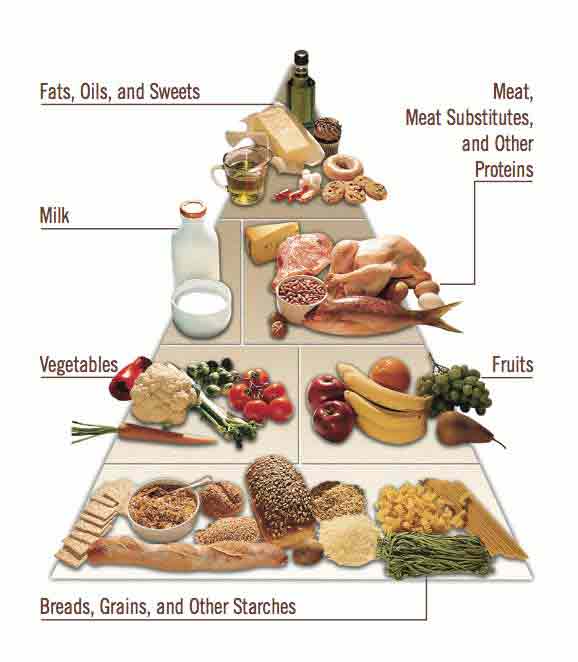
That older model wasn’t built on metabolic science. It was built on fear of fat, oversimplified cholesterol theory, and the idea that “a calorie is a calorie.”
We now know that the body doesn’t respond to carbohydrates, protein, and fat in the same way—especially if you have insulin resistance.
Why Protein Is Finally Being Taken Seriously
One of the most important updates in the new guidelines is protein.
Instead of focusing on minimum requirements to avoid deficiency, the guidelines now recommend 1.2–1.6 grams of protein per kilogram of body weight per day (about 0.5–0.7 g per pound). That’s a significant increase from older recommendations.
Why does this matter for you?
Because muscle is one of the body’s most important glucose-handling tissues. When protein intake is too low:
- muscle mass declines more quickly
- insulin sensitivity worsens
- blood sugar becomes harder to control
- appetite regulation breaks down
This isn’t about bodybuilding or extremes. It’s about maintaining muscle, metabolic health, and long-term function—especially if you’re over 40 or living with prediabetes or type 2 diabetes.
Importantly, the guidelines explicitly include animal-based protein sources such as eggs, poultry, seafood, and red meat, alongside plant-based options. This reflects what the evidence has shown for years: quality protein matters.
Full-Fat Dairy Is No Longer the Villain
Another meaningful shift is the inclusion of full-fat dairy.
Whole milk, full-fat yogurt, and cheese—without added sugars—are no longer discouraged simply because they contain saturated fat. This reflects a growing understanding that food quality matters more than isolated nutrients.
For people managing blood sugar, full-fat dairy can actually be helpful:
- it’s more satiating
- it has minimal impact on glucose
- it supports protein intake
This change alone marks a quiet but important correction of outdated thinking.





Ultra-Processed Food: Stronger Language, Clearer Message
The new dietary guidelines also take a much firmer stance on ultra-processed foods.
Instead of saying “limit,” the language repeatedly emphasises avoid highly processed, refined, sugary foods and sugar-sweetened beverages.
This matters because refined carbohydrates and added sugars remain the strongest drivers of:
- insulin resistance
- elevated A1c
- fatty liver disease
- weight gain
This is one area where the science has been clear for a long time.
The Turning Point: Lower-Carbohydrate Diets Acknowledged
Perhaps the most important line in the new guidelines is this:
Lower-carbohydrate dietary patterns may improve health outcomes in people with chronic disease.
That sentence represents a turning point.
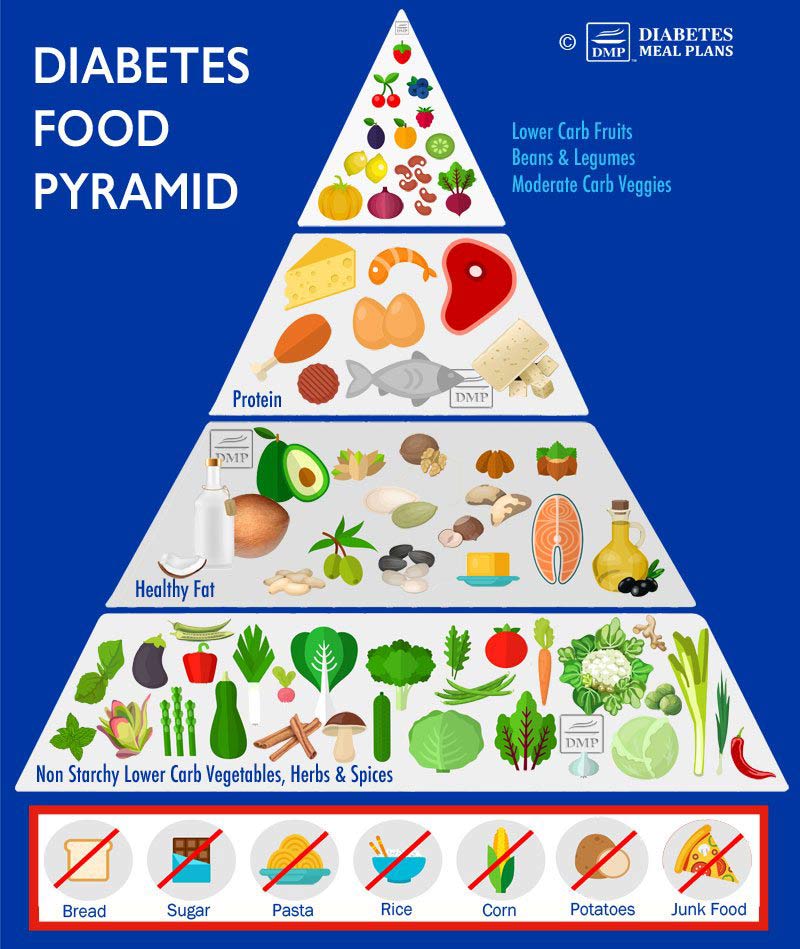
Low-carbohydrate eating is no longer framed as extreme or fringe—it’s now recognized as a legitimate therapeutic approach in national nutrition policy.
This is something many people have been applying successfully for years, including us here at DMP with our clinically proven program—it’s about time they caught up!
So Why Do Diabetes Guidelines Still Miss the Mark?
Here’s where the disconnect becomes obvious.
While national dietary guidelines have evolved, the American Diabetes Association 2026 Standards of Care remain vague and non-committal when it comes to nutrition.
They continue to say:
- there is no ideal macronutrient distribution
- nutrition should be individualized
- multiple eating patterns are acceptable
On the surface, that sounds reasonable. In practice, it’s a problem.
People with diabetes don’t struggle because they lack options. They struggle because they lack structure.
There are still:
- no carbohydrate targets
- no protein intake guidance
- no clear definition of “low carbohydrate”
- no acknowledgement that carbohydrate quantity drives post-meal glucose and A1c
Instead, people are told to “balance meals,” “eat whole grains,” “watch portions,” and “be flexible”—while their blood sugar stays high.
That’s not a failure of effort. It’s a failure of guidance.

One Key Step You Can Take Right Now
If you want one practical step to improve your health, start here:
Prioritize protein at every meal.
Not as a side thought. As a foundation.
Adequate protein intake:
- supports muscle and insulin sensitivity
- stabilizes post-meal blood sugar
- reduces hunger and cravings
- makes lower-carbohydrate eating sustainable
You don’t need to chase perfection. You need clarity.
When nutrition guidance becomes specific, outcomes become predictable. And when confusion is replaced with structure, progress becomes possible.
That’s the difference between advice and treatment—and it’s exactly what most people have been missing.
Transcript
Click Here To View
Hello wonderful people, Dr Jedha here.
Before we chat about the topic of the day, a reminder that Curtis’ membership giveaway is still open for another few days. There are four annual memberships for listeners to win. Entries close on Sat 31st Jan 2026, 10PM US Eastern time. For all the details you can listen to episode 112 or head to Type2DiabetesTalk.com/giveaway to view eligibility criteria and submit your entry. That’s Type2DiabetesTalk.com/giveaway.
If you’ve been listening to this podcast for a while, you’ll know that every year I do an episode called Diabetes Guidelines Investigated. It’s where we take a step back, look at what the official guidelines are saying, what they’re not saying, and most importantly, what this means for you if you’re living with prediabetes or type 2 diabetes.
This year’s episode is different. Because for the first time in a very long time, we’re seeing a major shift in national nutrition policy, while diabetes-specific guidelines remain largely unchanged. And that contrast matters.
On Jan 7th 2026, the new Dietary Guidelines for Americans for 2025–2030 have been released. These guidelines shape school food, hospital meals, government programs, and the general nutrition advice given to millions of people. And the new nutrition policy has some exciting changes that finally reflect the science.
This matters because the rest of the world usually follows relatively closely to American guidelines, so it will be interesting to see what else evolves in the future. And it’s interesting because much of what’s being acknowledged in the new national guidelines is exactly what our members have been applying, with results, for over a decade.
At the same time, the American Diabetes Association has released its 2026 Standards of Care, and once again, the nutrition guidance for diabetes remains vague, cautious, and largely non-committal. In fact, my first thought upon reading it was that the dietary guidelines for diabetes are getting worse. And with the evidence we have, that should certainly not be the case.
So today, we’re going to explore:
- what’s genuinely changed in the new dietary guidelines for Americans
- what hasn’t changed in diabetes care guidelines
- and why this gap explains so much of the confusion people feel about food and blood sugar
And if you’ve ever thought, “I’m doing everything I’ve been told, but something still doesn’t add up,” this episode will reveal that you didn’t fail the plan, the plan failed you.
Before we get into these new guidelines, I want to be clear about something.
Guidelines matter! Not because they’re perfect, but because they shape:
- what doctors are taught
- what regulated dietitians are allowed to recommend
- what foods are subsidised
- and what patients are told is “safe” or “evidence-based”
But guidelines are not neutral documents.
Guidelines are written by committees. Many committee members have conflicts of interest, whether that be financial or personal. Guidelines rely on interpretation of evidence. Unfortunately, the evidence is often interpreted poorly, even inaccurately. And one really big issue is that the guidelines lag years behind what we already know from science, physiology and real-world outcomes.
Of course, this doesn’t help you or anyone else who genuinely wants to improve their health and that’s a big problem.
Imagine – if you’re going to a medical doctor, they are going to reflect back at you what the guidelines say. Dietitians are going to do the same. And those recommendations may not actually be safe or evidence-based – which is often the case.
If you’ve listened to Episode 9 or Episode 62, you’ll remember that I’ve been raising the same concerns about the diabetes dietary guidelines for years:
- no clear carbohydrate guidance
- no protein targets
- mixed messages about fat
- and a lot of “individualization” without structure
So what’s changed now?
Let’s start with the big shift.
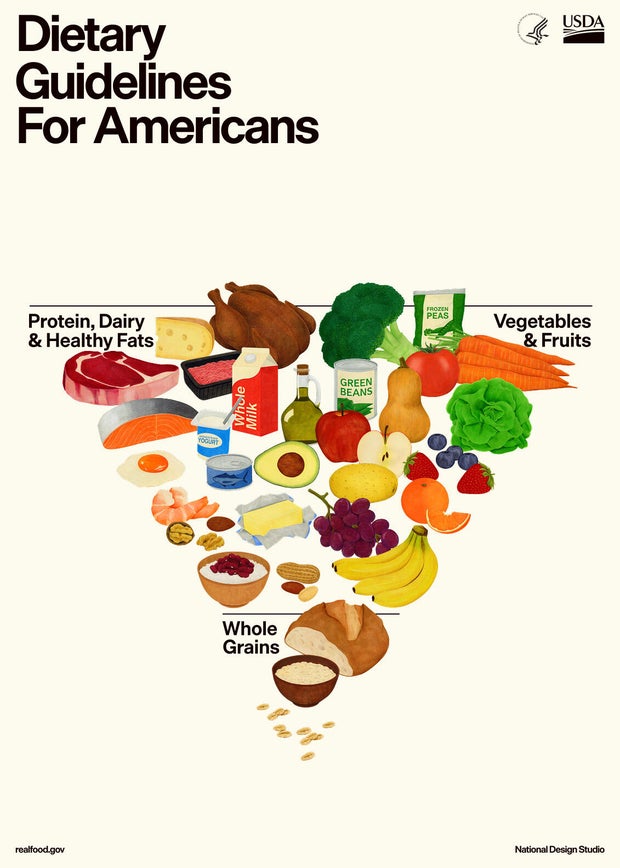
The new Dietary Guidelines for Americans open with a simple message: eat real food.
That might sound obvious. Almost too obvious.
But to understand why this matters, we need a quick reminder of where nutrition policy has come from, because this is not a small change.
For decades, the food pyramid told Americans (Canadians, Australians, Europeans) that the foundation of a healthy diet was carbohydrates. I’m focusing on the American food pyramid, but around the world, it’s historically been the same.
Back in the late 1970s and 1980s, we were told to build our diet on bread, cereal, rice, and pasta. Six to eleven serves a day. Protein and fat were pushed up near the top of the pyramid, literally and figuratively, something to be eaten sparingly.
Fat was demonized. Protein was treated cautiously. And carbohydrate became the default fuel. Remember that foundation of the old food pyramid at the bottom, with all the breads and cereals, rice and pasta. We’ll leave all the visuals in the podcast notes so you can go and see them for yourself.
That pyramid didn’t come from discoveries about insulin resistance or metabolic health. It came from fear of fat, concern about cholesterol, and a belief that calories were calories, that the body handled all energy the same way.
But over time, we’ve seen the results of that thinking.
As carbohydrate intake rose and food became more processed, rates of obesity, type 2 diabetes, fatty liver disease, metabolic syndrome, heart disease and many other health conditions rose right alongside it. And yet, for decades, the pyramid barely changed.
For years, it was rearranged, rebranded, turned into plates and circles, but the underlying message stayed the same: base your diet on carbohydrates, keep fat low, don’t eat too much protein, stay away from red meat, and hope moderation takes care of the rest. That’s why what we’re seeing now is important.
In the 2025–2030 guidelines, protein, full fat dairy, and healthy fats are no longer treated as secondary. They’re placed front and center. Whole grains are still included, but they’re no longer the foundation of the diet.
That’s quite a profound shift from years past. It finally signals a move away from energy first thinking, toward nutrient density and metabolic function. It also reflects a growing recognition that protein is not just another macronutrient, it plays a central role in blood sugar regulation, muscle preservation, appetite control, and long-term health.
And that brings us to the next major change. Second, protein is finally taken seriously.
For decades, while carbohydrates were promoted as the default energy source, protein has been treated cautiously, almost defensively.
Previous guidelines focused on minimum protein requirements, not optimal intake. The message was essentially: “as long as you’re not deficient, you’re fine.”
Protein was framed as something that might strain the kidneys, should be limited with ageing, or could displace ‘healthier’ carbohydrate foods.
As a result, many people, especially older adults and those with insulin resistance, were under-eating protein for years without realizing it.
What the new guidelines do differently is shift the focus from minimum survival needs to optimal physiological function.
For decades, the standard recommendation for adults has been the RDA of 0.8 grams of protein per kilogram of body weight per day, around 0.36 g per pound per day.
They now recommend approximately 1.2 to 1.6 grams of protein per kilogram of body weight per day, which equals 0.5 to 0.7 grams of protein per pound of body weight per day. That is not a small change.
That intake range aligns with what we see in the research for:
- preserving lean muscle mass as we age
- improving insulin sensitivity and glucose control
- supporting appetite regulation
- and maintaining strength, mobility, and metabolic health over time
This matters because muscle is not just about strength, it’s one of the body’s most important glucose-handling tissues. When protein intake is too low, people lose muscle more easily, their insulin sensitivity worsens, and blood sugar becomes harder to control, even if calories are reduced.
So this shift isn’t about bodybuilding or extremes. It’s about acknowledging that protein plays a central role in metabolic health, especially for people over 40, and especially for people with prediabetes or type 2 diabetes.
And importantly, the guidelines suggest that people should eat protein from animal sources, including eggs, poultry, seafood and red meat, as well as a variety of plant-sourced protein foods.
Third, full-fat dairy is explicitly included in the new guidelines.
Whole milk, full-fat yogurt and cheese, without added sugars. We’ve always been told to limit these dairy foods due to their high saturated fat content, based on outdated thinking that saturated fat raises cholesterol levels and worsens heart disease. There is no solid evidence for that. So finally full fat dairy products are no longer framed as something to limit simply because of fat content.
This reflects what we’ve known for a long time: food quality matters more than isolated nutrients. Full fat dairy products are highly nutritious foods, with nothing but positive research.
Fourth, the language around ultra-processed food is far stronger than we’ve seen before.
These guidelines don’t just say “limit.” They repeatedly say avoid highly processed, packaged, refined, sugary foods, including sugar-sweetened beverages. That matters, because sugar and refined carbohydrates are still the biggest drivers of health conditions.
And finally, and this is critical, the guidelines explicitly acknowledge that lower-carbohydrate dietary patterns may improve health outcomes in people with chronic disease.
That sentence alone represents a turning point.
Low-carbohydrate eating is no longer framed as fringe, extreme, or optional. It’s acknowledged as a legitimate therapeutic approach, finally in government dietary guidelines. Back in 2014-2015 when I was getting started supporting people with a healthy low carb eating approach, it was considered rebellious and even extreme. Some dctors and dietitians were even barred from practice over promoting it, which was absolutely crazy. The evidence has always been there – the guidelines have taken a very long time to catch up.
Overall, the new guidelines are very positive from a nutrition science perspective. But unfortunately there’s a lot to be said about the diabetes guidelines.
Now let’s contrast the new dietary guidelines for Americans with the diabetes guidelines. As I mentioned earlier, I cover these guidelines every year, so for some background on these guidelines, please listen to episode 9 and 62.
Each year, the Standards of Care in Diabetes grow longer. The 2026 version is hundreds of pages, with thousands of references. And yet, when you get to the nutrition section, the same problems remain.
The guidelines continue to say:
- there is no ideal percentage of calories from carbohydrate, protein, and fat
- nutrition should be individualized
- multiple eating patterns are acceptable
That sounds reasonable, but here’s the issue.
People with diabetes do not struggle because they lack options. They struggle because they lack structure.
In the guidelines there are still:
- no carbohydrate thresholds
- no protein targets
- no guidance on refined versus whole carbohydrate load
- no operational definition of “low carbohydrate”, in fact, the definition they have presented is inaccurate according to science
What’s worse is. Despite decades of evidence showing that adequate protein intake is essential for glycaemic control, muscle preservation, and metabolic health, the American Diabetes Association still avoids giving any meaningful protein targets.
Instead, the emphasis remains on types of protein, avoiding red meat and prioritizing plant-based sources; there’s actually no solid evidence for those recommendations. There’s nothing wrong with plant protein in principle. But when protein guidance is reduced to food ideology rather than what the body actually needs, people with diabetes lose. And then there’s the continued preference for low-fat or fat-free dairy, again there’s actually no solid evidence for those recommendations. This is another example of outdated thinking lingering in diabetes care.
Most importantly, there is no acknowledgement that carbohydrate quantity is the primary driver of post-meal glucose excursions, the primary driver of high HbA1c levels. This is where the disconnect lives.
The general population guidelines are now saying:
- prioritize protein
- reduce refined carbs
- avoid ultra-processed food
- consider lower-carbohydrate approaches for chronic disease
While diabetes-specific guidelines continue to say:
- “it depends”
- “individualize”
- “there’s no ideal macronutrient distribution”
That’s not helpful when someone is trying to lower their A1c.
Remember what we said earlier: guidelines matter. They shape what doctors and dietitians are taught to recommend, and what patients are told is “safe” or “evidence-based.”
So if the guidelines provide nothing specific to recommend, how can clinicians recommend anything at all?
The answer is: they can’t.This is exactly why so many people feel confused, frustrated, or like they’re failing.
They’re told:
- eat whole grains
- watch portions
- balance meals
- don’t eat too much protein
- eat low fat
- avoid red meat
- be flexible
And yet their blood sugar doesn’t improve.
This isn’t because they’re non-compliant. It’s because vague guidance produces vague results, and inaccurate guidance doesn’t produce results at all.
What makes 2026 different is that the broader nutrition policy has finally acknowledged what metabolic science has been showing for years. That creates an uncomfortable but important question: If national dietary guidelines can now say this plainly: why can’t diabetes care guidelines do the same?
Providing clearer diabetes nutrition guidance is not an impossible task. It’s a very doable one.
Yet the guidelines continue to avoid defining carbohydrate intake ranges, repeat that there is “no ideal macronutrient distribution,” and rely on broad food-pattern language instead of actionable nutrition guidance.
Diabetes guidelines remain stuck in neutrality. And neutrality doesn’t lower A1c.
That’s why I’ve spent the last decade focused not just on evidence, but on implementation, because knowing something works and knowing how to apply it are two very different things.
We regularly see members join us who have struggled for years to lower their blood sugar and A1c, believing they were eating “healthy,” and quietly blaming themselves when nothing changed. That’s rarely the issue. The problem is almost always that the guidance they were given was incomplete, unclear, or simply inaccurate for prediabetes or type 2 diabetes.
What we’re seeing now is the beginning of a shift in national nutrition policy, reflected in the new Dietary Guidelines for Americans. That’s progress. But diabetes care still lags behind and until that gap closes, people will continue to feel stuck unless they’re given clearer, more practical guidance.
My goal has never been to follow guidelines blindly, or to reject them outright. It’s always been to ask a simple question: “What actually works, and why?” And then to translate that into something people can apply in real life.
Once people understand how to apply nutrition properly, when blood sugar, A1c, weight, cholesterol, or medications aren’t where they should be, everything becomes simpler. Clearer. And when clarity replaces confusion, results become achievable. And more importantly, they become sustainable. That’s the difference between advice and treatment.
I’ll see you in the next episode.
Dr Jedha, over and out.

Subscribe to Type 2 Diabetes Talk on: Apple | Spotify | Amazon Music | Audible | YouTube | Podcast Index | Player FM | and more…
Leave a Reply