


Table of Contents[Hide][Show]
- Your Gut Also Helps Control the Insulin Response
- Insulin and Glucagon Work Together Around the Clock
- What Goes Wrong With Insulin Resistance?
- The Vicious Cycle of Glucotoxicity
- Cortisol, Stress and Insulin Regulation
- What Your Blood Glucose Readings Can Tell You About Insulin Regulation
- Improving Insulin Regulation
- Ready to Improve Your Blood Sugar and Insulin Sensitivity?
If you are living with type 2 diabetes or prediabetes, understanding how insulin regulates blood glucose is more than interesting background knowledge.
It helps explain why blood sugar rises, why the same meal can produce very different glucose responses in different people, and why improving insulin sensitivity can have such a powerful effect on your diabetes health.
Insulin is often described as a hormone that “unlocks” cells so glucose can enter. While that analogy is useful, the biology is considerably more interesting than that.
Insulin coordinates glucose metabolism across several organs at once. It influences how much glucose your liver releases, how much your muscles take up and store, how fat tissue handles energy, and how your body moves between storing and releasing fuel.
As a nutrition researcher with a doctorate in this field, I think understanding this bigger picture is particularly useful because it changes the way you interpret your glucose readings and the choices you make about your nutrition plan.
How Insulin Is Released
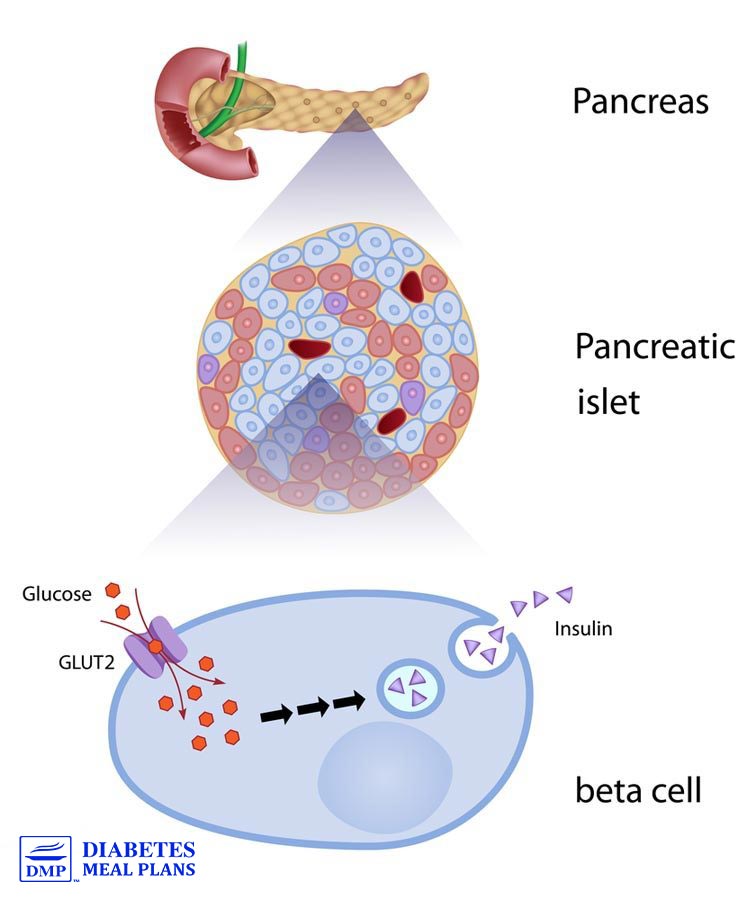
Insulin is produced by specialized beta cells located within clusters of cells in the pancreas called the islets of Langerhans.
These beta cells continuously sense circulating glucose. After you eat, particularly when you consume carbohydrates, digestion breaks much of that carbohydrate down into glucose, which is absorbed from the intestine into your bloodstream.
As blood glucose rises, glucose enters the beta cells and triggers a series of events that ultimately causes insulin-containing granules to release insulin into the circulation.
Insulin is normally released in two phases
One detail that is rarely explained is that the insulin response to rising glucose is not simply one continuous release.
In a metabolically healthy person, insulin secretion following a rise in glucose has two phases.
- First-phase insulin secretion: a rapid burst of stored insulin is released within minutes.
- Second-phase insulin secretion: a slower, sustained release continues while glucose remains elevated.
That rapid first response is important because it helps limit the initial rise in glucose after eating and rapidly signals the liver to reduce its own glucose output.
Importantly, impaired first-phase insulin secretion is one of the abnormalities observed early in the development of type 2 diabetes.
This helps explain why rising post-meal glucose can be an early sign of deteriorating glucose regulation, even when fasting glucose still looks relatively good.
What Does Insulin Actually Do to Blood Glucose?
Once released from the pancreas, insulin travels through the circulation and coordinates the response to incoming energy.
But insulin doesn’t regulate glucose in just one way. Three major tissues are particularly important: the liver, skeletal muscle and adipose (fat) tissue.
1. Insulin tells your liver to reduce glucose production
Your liver isn’t simply a storage organ. It actively produces and releases glucose into your bloodstream, particularly between meals and overnight.
After eating, rising insulin acts as a signal that additional glucose is arriving from food. One of insulin’s most important jobs is therefore to suppress liver glucose production while encouraging the liver to store glucose as glycogen.
This matters enormously in diabetes because insulin resistance in the liver means that this “stop producing glucose” signal becomes less effective. The liver can continue releasing too much glucose even though plenty is already circulating in the bloodstream.
2. Insulin helps skeletal muscle take up glucose
Skeletal muscle is one of the body’s major destinations for glucose after a meal.
When insulin binds to receptors on muscle cells, it activates an intracellular signaling pathway that moves glucose transporter proteins called GLUT4 to the cell membrane. These transporters allow glucose to move from the bloodstream into muscle cells.
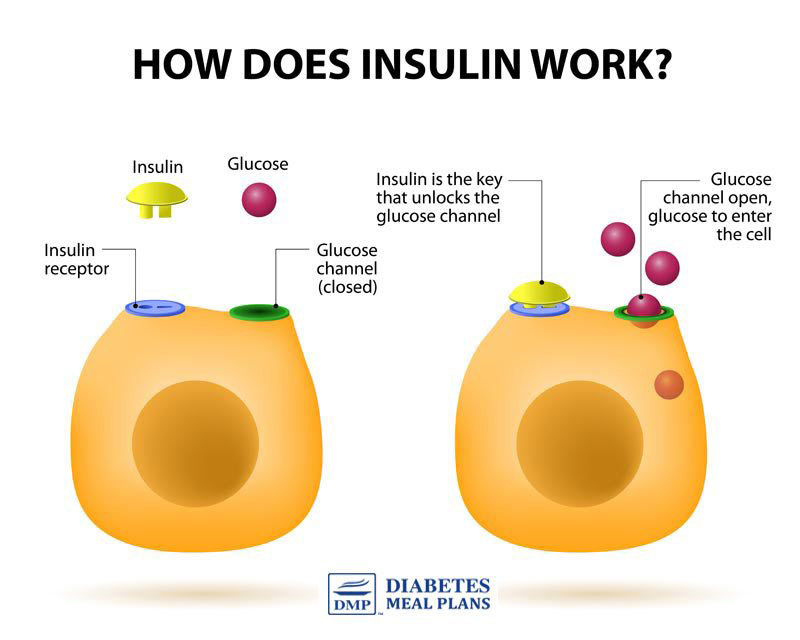
Once inside, glucose can be used immediately for energy or stored as glycogen for later use.
This is also one reason physical activity is such a powerful tool for improving glucose control. Contracting muscle can increase glucose uptake through pathways that are not entirely dependent on insulin, while regular exercise also improves insulin sensitivity.
3. Insulin regulates energy storage in fat tissue
Insulin also acts on adipose tissue, fat tissue. In the fed state, it suppresses the breakdown of stored triglycerides and reduces the release of free fatty acids into the circulation.
This is important because elevated circulating fatty acids can contribute to insulin resistance in the liver and muscle. Insulin therefore regulates not only glucose itself, but the broader flow and storage of metabolic fuels.
So rather than thinking of insulin simply as a key that opens a door, think of it as a metabolic traffic controller. It helps determine whether glucose is being produced, released, taken up, burned or stored.
Your Gut Also Helps Control the Insulin Response
Another part of glucose regulation that often gets overlooked happens in the digestive system.
When food enters the intestine, gut hormones called incretins are released. Two important incretin hormones are GLP-1 (glucagon-like peptide-1) and GIP (glucose-dependent insulinotropic polypeptide).
These hormones help prepare the pancreas to respond to incoming glucose and amplify glucose-dependent insulin secretion. This phenomenon is known as the incretin effect: oral glucose normally produces a greater insulin response than the same glucose exposure delivered directly into the bloodstream.
The incretin response is impaired in type 2 diabetes, adding another layer to the abnormalities affecting post-meal glucose regulation.
Insulin and Glucagon Work Together Around the Clock
Glucose regulation doesn’t stop when you finish eating.
The pancreas normally releases small amounts of insulin between meals and overnight. This is often called basal insulin secretion.
At the same time, another pancreatic hormone called glucagon plays an opposing role. When glucose availability falls, glucagon signals the liver to increase glucose production, helping ensure that organs such as the brain continue receiving adequate fuel.




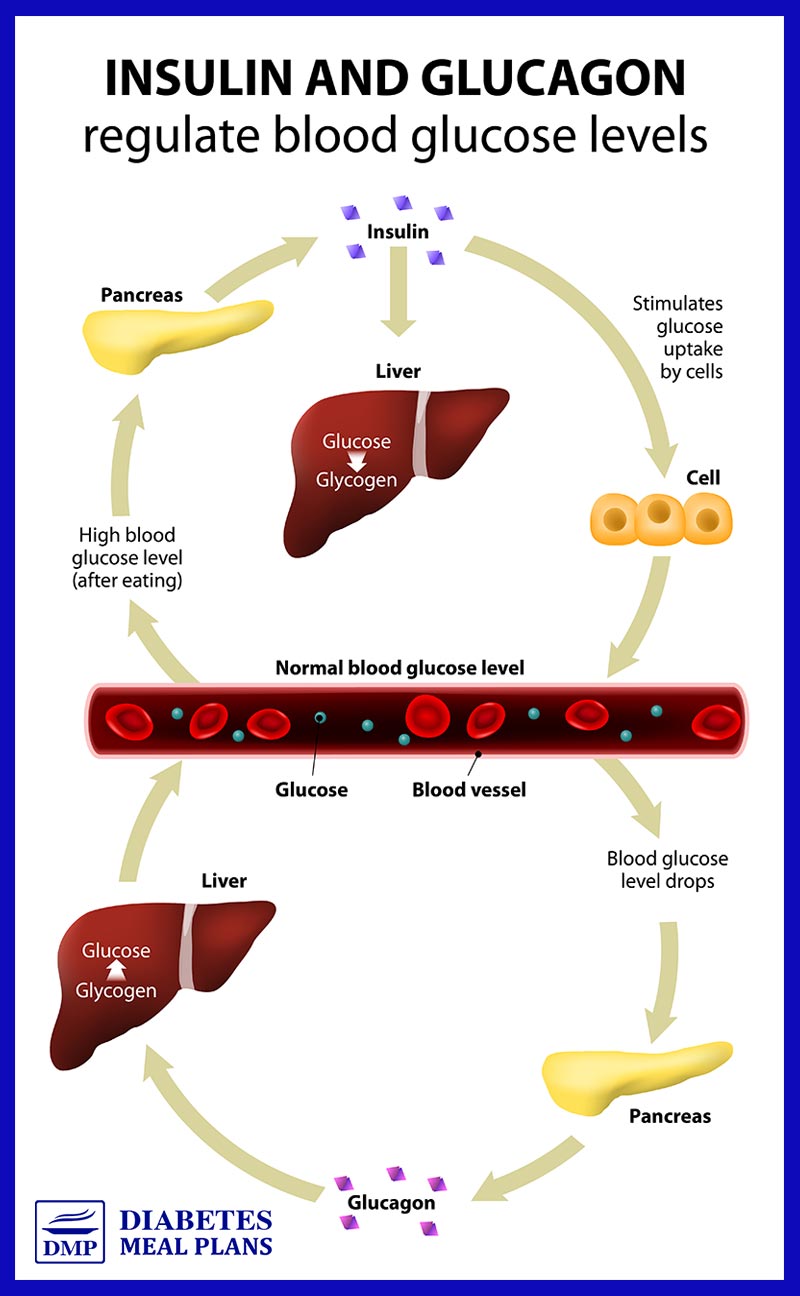
This constant balancing act between glucose use, storage and production is why blood glucose normally remains within a relatively narrow range despite the fact that you may go many hours without eating.
A fasting blood sugar test gives you useful information about this overnight and between-meal regulation. Elevated fasting glucose can reflect excessive overnight glucose production by the liver, particularly when liver insulin resistance is present.
What Goes Wrong With Insulin Resistance?
This brings us to insulin resistance, one of the central abnormalities underlying prediabetes and type 2 diabetes.
With insulin resistance, tissues such as the liver, skeletal muscle and adipose tissue become less responsive to insulin’s signals.
In skeletal muscle, glucose uptake becomes less efficient. In the liver, insulin becomes less effective at suppressing glucose production. In adipose (fat) tissue, impaired suppression of fat breakdown can increase the flow of fatty acids into the circulation.
Initially, however, your pancreas has a remarkably effective workaround: it produces more insulin.
This compensatory hyperinsulinemia (high insulin levels) may keep blood glucose relatively normal for years. In other words, a normal glucose result doesn’t necessarily mean insulin metabolism is normal. The pancreas may simply be working much harder to maintain that glucose level.
The Vicious Cycle of Glucotoxicity
Here’s where the process becomes particularly important.
High blood glucose isn’t simply the end result of impaired insulin regulation. When glucose remains elevated over time, it can itself contribute to further metabolic dysfunction.
This is known as glucotoxicity.
Chronic exposure to excessive glucose can impair beta-cell function through several mechanisms, including oxidative stress, endoplasmic reticulum stress, altered gene expression and mitochondrial dysfunction. Over time, beta cells may become less effective at producing and secreting insulin.
This creates a damaging feedback loop:
Insulin resistance → greater demand for insulin → beta-cell stress and dysfunction → higher glucose → glucotoxicity → further beta-cell dysfunction → higher glucose.
Elevated fatty acids and abnormal fat accumulation in tissues can also contribute to insulin resistance and beta-cell dysfunction, often discussed as lipotoxicity or, when occurring alongside hyperglycemia, glucolipotoxicity.
This helps explain why early intervention matters. Lowering chronically elevated glucose doesn’t simply improve the number you see on your glucose meter. Reducing the metabolic burden helps relieve some of the pressure being placed on pancreatic beta cells.
Cortisol, Stress and Insulin Regulation
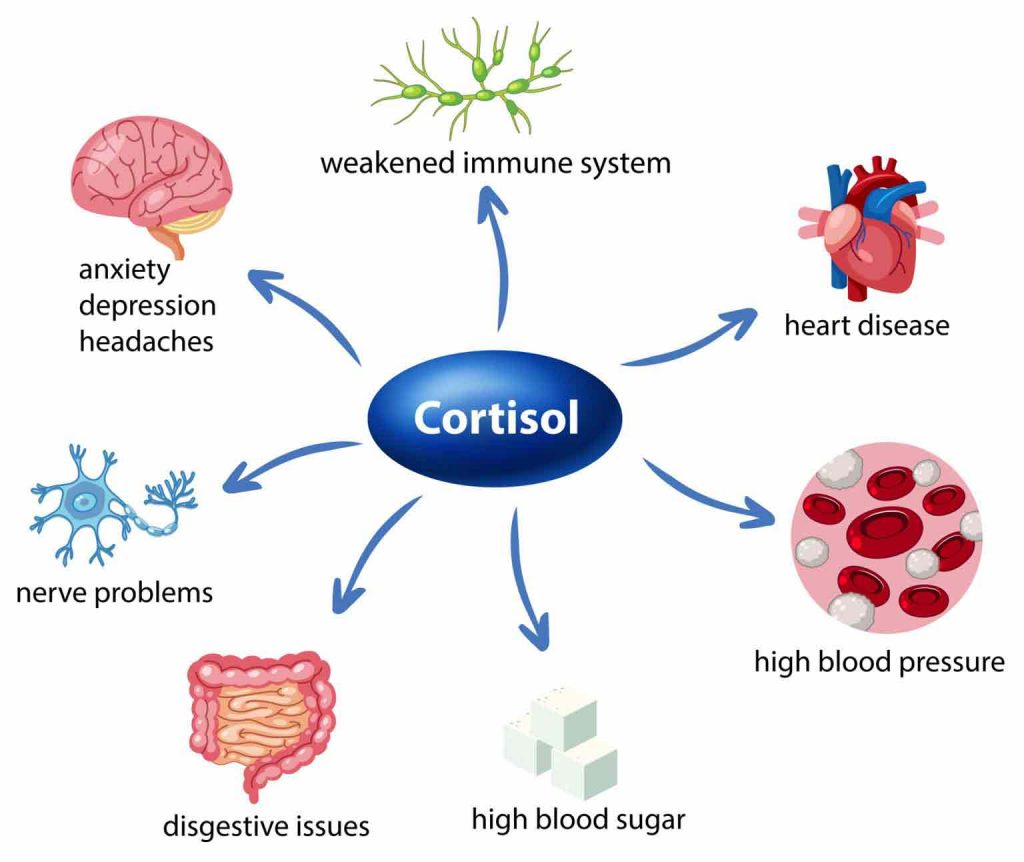
Insulin also doesn’t work in isolation. Several hormones act as counter-regulatory hormones, meaning they can increase glucose availability when the body needs additional fuel.
These include glucagon, adrenaline, growth hormone and cortisol.
Cortisol can increaseliver glucose production and, when chronically elevated, can contribute to reduced insulin sensitivity. This is one reason chronic stress can make diabetes management more difficult even when your food choices haven’t changed.
Sleep matters too. Inadequate or disrupted sleep can affect insulin sensitivity, appetite regulation and counter-regulatory hormones.
What Your Blood Glucose Readings Can Tell You About Insulin Regulation
You can’t directly see insulin working, but you can get your insulin levels tested, which is recommended, as it gives you insight into the sensitivity of your body’s cells.
Your glucose readings can also provide clues about how effectively the entire system is functioning.
You can use a blood glucose monitor to check glucose before eating and again after meals. Looking at these blood sugar fluctuations alongside a blood sugar levels chart can help you identify how particular meals affect you.
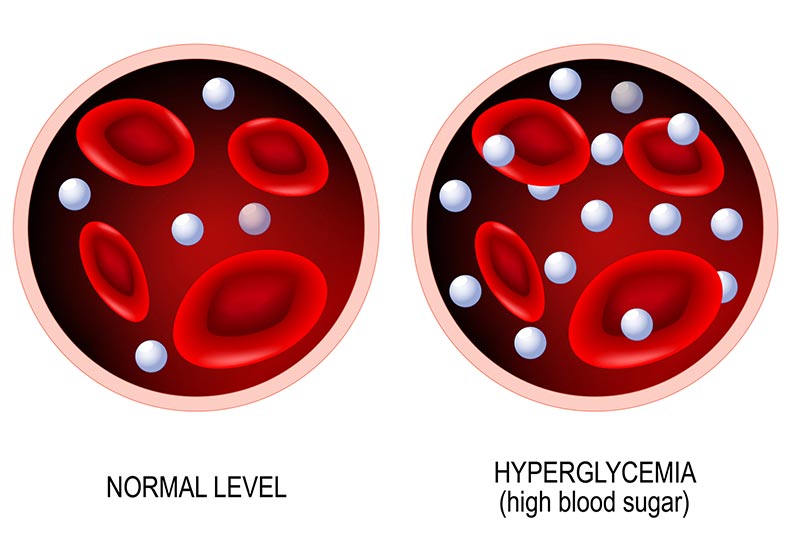
The goal is a normal blood sugar level below 140 mg/dL (7.8 mmol/L) two hours after a meal or glucose challenge.
For practical self-monitoring, however, the pattern can be just as informative as a single number. How high does glucose rise? How quickly? And importantly, how effectively does it come back down below 140 mg/dL (7.8 mmol/L)?
Improving Insulin Regulation
Once you understand the physiology, one thing becomes clear: improving blood glucose control isn’t simply about trying to force more glucose out of the bloodstream.
The goal is to reduce the burden on your entire system.
Nutrition is one of the most immediate tools available because carbohydrate has the greatest direct effect on post-meal glucose and insulin requirements.
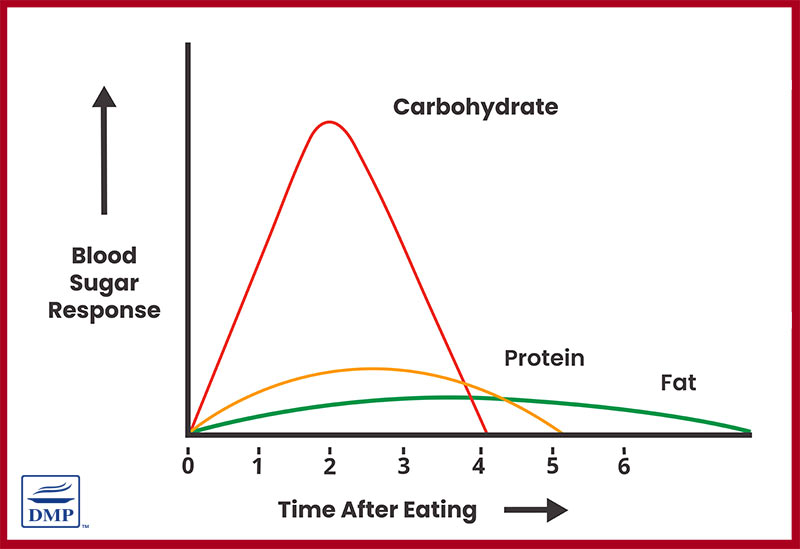
Reducing excessive carbohydrate intake can substantially reduce the amount of glucose entering the circulation after meals and therefore reduce the amount of insulin required to manage it.
Physical activity complements this by increasing muscle glucose uptake and improving insulin sensitivity.
Weight loss, where appropriate, can further improve insulin sensitivity and reduce excess fat accumulation in important tissues such as the liver.
Sleep, stress management and appropriate medical treatment are additional pieces of the same puzzle.
And this is why understanding insulin is so useful. Type 2 diabetes and prediabetes are not simply diseases of “too much sugar in the blood.” They happen because of a disorder involving the regulation, production, storage and use of energy across multiple organs.
The encouraging part is that many of these processes are modifiable. We know the body can heal itself when given the right inputs.
Ready to Improve Your Blood Sugar and Insulin Sensitivity?
Understanding how insulin works is the first step. The next is putting that knowledge into practice with a nutrition approach that helps reduce glucose exposure, lower insulin demand and improve blood sugar control.
Our T2Diet Program or Prediabetes Reset Program gives you a clear, step-by-step plan designed specifically for people with type 2 diabetes and prediabetes, with practical guidance on what to eat, how to monitor your results and how to make changes that can lead to meaningful improvements in A1c and blood glucose.
Leave a Reply