


Table of Contents[Hide][Show]
- LISTEN TO THE PODCAST
- Overview
- Why Blood Glucose Readings Can Vary
- Illness and A1c Levels
- Thyroid Health and Blood Sugar
- Living With a Veggie Hating Spouse
- Dietary Cholesterol, Should You Count It
- Glucose to A1c Estimates
- Understanding UK A1c Results
- Why Fasting Glucose Fluctuates
- Lowering A1c Without Exercise
- Final Takeaway
- Transcript
Diabetes Q&A podcasts answering real questions from people just like you, are one of our favorite podcasts to do!
In this week’s Q&A episode, we cover a wide range of practical topics, including blood glucose meter accuracy, how illness can affect your A1c, the thyroid connection with blood sugar, cholesterol in food, fasting glucose variations, and more.
LISTEN TO THE PODCAST
Support the podcast by leaving a 5-star rating and review on Apple, Spotify or our Website – Thank You!
Overview
Why Blood Glucose Readings Can Vary
Linda asked why she gets very different results when testing multiple times before a meal, from 101 to 152 mg/dL (5.6-8.4) in just a few finger sticks. We unpacked why this happens, including meter accuracy limits, differences in blood flow, timing between tests, and even hand temperature or hydration.
The key point is that no home-based reading is ever 100% exact. Instead of focusing on every single number, it is far more useful to track patterns and trends over time.
Illness and A1c Levels
Liana wanted to know if a recent illness could have pushed her A1c higher. The answer is yes, infections and medical stressors increase hormones like cortisol, which tell your liver to release more glucose. That can keep blood sugar higher for days or weeks, which in turn raises your A1c if it happens close to your blood test.
We also touched on other events that can raise glucose, such as surgery, injuries, medications like steroids, hormonal changes, and even dental infections.
Thyroid Health and Blood Sugar
Liana also asked about hypothyroidism. Both subclinical and clinical hypothyroidism can lead to higher A1c because thyroid hormones influence insulin sensitivity.
If thyroid hormone levels are corrected with medication, glucose metabolism often improves, although diet and lifestyle still play the central role.




Living With a Veggie Hating Spouse
Carol asked how to cope with a partner who hates vegetables. We talked about why preparation matters so much, roasting, grilling, or sautéing vegetables with herbs, spices, and healthy fats can completely change the flavor. Starting with naturally sweeter vegetables and adding them into familiar dishes can also make them more appealing.
And remember, you do not always need to eat identical plates. It is possible to enjoy your vegetables while preparing a different side for your spouse.
Dietary Cholesterol, Should You Count It
Benjamin asked how many milligrams of cholesterol you should eat each day. For decades, guidelines capped intake at 300 mg per day, but newer research shows that dietary cholesterol has little effect on blood cholesterol for most people. That is why the strict limit was removed in 2015.
What matters more is the type and quality of fats, avoiding refined carbs and sugars, and building a whole food diet.
Glucose to A1c Estimates
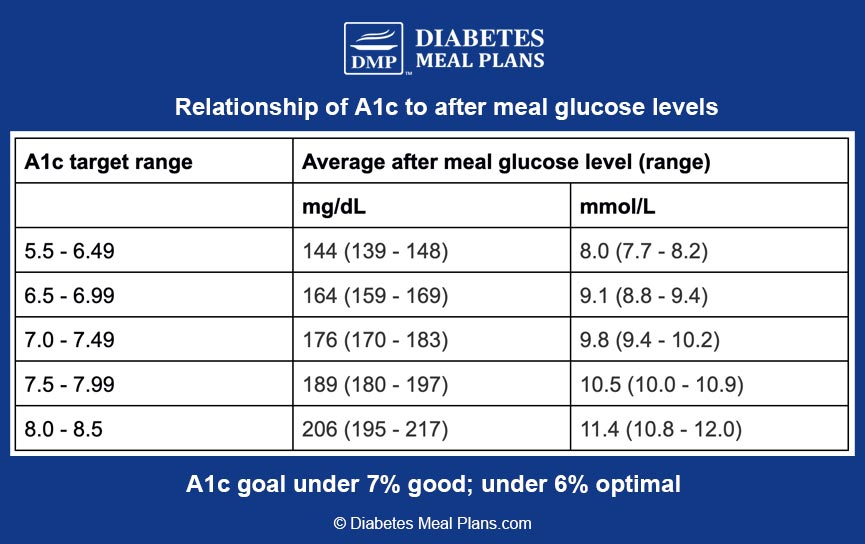
Glancinah asked how an average glucose of 8 to 9 mmol/L, which is 144 to 162 mg/dL, translates to A1c. That range corresponds roughly to 6.5 to 7.2%. It is not far above target, but aiming for post meal blood sugar readings under 7.8 mmol/L, which is under 140 mg/dL, can help bring A1c into the normal range over time.
Understanding UK A1c Results
Margaret from the UK asked about her doctor saying her blood sugar was 42. In the UK, this usually refers to HbA1c in mmol/mol.
A result of 42 mmol/mol is equivalent to 6.0 percent, which falls in the prediabetes A1c range. This is the perfect time to take action before diabetes develops.
Why Fasting Glucose Fluctuates
Judith has been following a prediabetes plan and noticed her fasting glucose varies daily, even on the same meals.
We discussed the dawn phenomenon, hormone fluctuations, sleep, stress, hydration, and timing of meals, all of which influence morning readings. Again, the trend is what matters most.
Lowering A1c Without Exercise
Finally, Carol asked how to lower A1c when exercise is not possible due to health issues. The answer is nutrition!
Many members achieve normal A1c without medications or exercise by reducing carbs, eating nutrient rich meals, and focusing on what they can do consistently. Gentle movement can help, but diet is the foundation.
Final Takeaway
Blood sugar management is not about perfection on a single number, it is about the bigger picture.
Meters, A1c, hormones, illness, diet, and lifestyle all play a role. With the right knowledge and daily choices, you have powerful tools to keep your blood sugar healthy!
Transcript
Click Here To View
Dr Jedha, Host
Hello wonderful people, welcome back to another Q&A episode. These are some of my favorite episodes to do because they’re driven by real-life experiences and challenges.
Today we are covering some really practical topics, from why your meter readings might be all over the place, to how illness can affect your A1c, why fasting blood sugar can vary even on the same meals, and how to bring your numbers down even if exercise isn’t possible.
Whether you’ve just been diagnosed, have been managing your blood sugar for years, or you’re somewhere in between, there’s always more to learn, and the answers we cover today might just give you the clarity or confidence you’ve been looking for.
If you have a question yourself, please head to Type2DiabetesTalk.com/message and send it in. Don’t be shy, the only stupid question is the one you don’t ask!
So, let’s get started today with Linda’s question.
Linda, is one of our VIP Members, and asked: On numerous occasions, I have tested my blood with multiple finger sticks on different fingers, and always get different readings. For example, today, I tested before lunch. In order: 128, 101, 128, 152. This cannot be correct! I am going to order a new meter. But can you shed some light on this? Also address squeezing finger to get a drop of blood. At 73, my fingertips are not plump. LOL My husband said I can’t squeeze. But the needle just bounces and does not penetrate.
Linda, this is such a great question, because I know a lot of people have had that same experience and wondered if their meter is broken. The first thing to know is that blood glucose meters aren’t perfect. By design, they’re allowed to have some variation. The international standard for meter accuracy means your reading can be within about plus or minus 15 percent of your actual blood sugar level, and still be considered accurate. So, if your true reading was 128 mg/dL, which is 7.1 mmol/L, your meter could legally read anywhere from about 109 to 147, 6.1 to 8.2, and still be ‘right’ according to those guidelines. I know that sounds ridiculous because there’s a potential 38 point difference in those values, or 2.1 for our metric listeners, which is quite a lot.
Now, when you test multiple times in a row on different fingers, you’re introducing a few extra variables. Blood sugar isn’t evenly mixed throughout the body like stirring sugar into a cup of tea, it’s constantly moving in and out of the bloodstream. Even a few seconds between finger sticks, slight differences in blood flow to different fingers, or how you place the strip in the drop of blood can all cause small changes. Plus, things like temperature, how hydrated you are, and whether your hands are warm or cold can influence readings. Yes, there are several variables that can come into play.
On your readings before lunch Linda, a variation of 101 to 152 in back-to-back tests is wider than we’d expect from meter accuracy alone, but it’s not unusual to see differences of 10–20 points. If you’re consistently getting very different numbers, it’s worth considering whether your meter needs recalibrating or is faulty. But it’s also important to realize that no home-based value is 100% accurate, that’s why it’s important to monitor patterns, and trends over time are far more important than any single reading. Then you can get confirmation from regular lab tests that your doctor orders.
On the squeezing issue, yes, you can get a false reading if you squeeze too hard, because that can dilute the drop of blood with fluid from the surrounding tissue. But if your fingertips aren’t plump, a gentle squeeze or ‘milking’ motion from further back on the finger is fine. You can also try warming your hands under warm water for 20–30 seconds, letting your arms hang by your side for a minute, or shaking your hands a bit before testing to increase blood flow. If the lancet is just bouncing off, you may need to change to a slightly deeper setting on the lancing device, or use the sides of your fingertips instead of the pads because the skin there is usually a bit thinner.
Next up Liana asked a couple of interesting questions.
Liana asked: Is it possible for A1c to be affected by recent illness since sickness increases glucose levels? My A1c was elevated, but I had been quite sick the month prior to the blood draw (my white blood count and neutrophils were up as well!) And are there any other medical events that can spike glucose in the body (other than stress, diet, lack of sleep – the usuals)?
Liana, this is a really important question because it highlights how many different factors can influence an A1c result, and sometimes those factors have nothing to do with your everyday food or lifestyle choices.
Yes, recent illness can absolutely affect your A1c. When you are sick, especially with an infection, your body releases stress hormones like cortisol and adrenaline. These hormones trigger the liver to release more glucose into the bloodstream to give your body extra energy to fight the illness. This can cause your blood sugar levels to run higher than normal for several days, or even weeks, depending on how severe and prolonged the illness is. Since your A1c reflects your average blood sugar over the past two to three months, a week or two of higher readings can raise that average, particularly if it happens close to your blood draw.
Other medical events can cause a similar effect. Surgery, injuries, burns, or any acute inflammatory condition can trigger the same stress hormone response and push glucose levels up. Certain medications, such as corticosteroids, are well known for spiking blood sugar. Hormonal changes, such as those during menopause or thyroid disorders, can also play a role. And while you already mentioned stress, diet, and lack of sleep, it is worth noting that chronic pain, underlying infections you may not be aware of, and even dental infections can all increase glucose levels.
Liana also asked: Is there any correlation between subclinical or clinical hypothyroidism and higher A1c levels? If hypothyroidism is treated with medication, does that favorably affect glucose levels in the body?
Liana, there is a correlation between both subclinical and clinical hypothyroidism and higher blood sugar levels, including higher A1c. Thyroid hormones play a role in how your body uses glucose and responds to insulin, so when those hormones are low, as in hypothyroidism, you can become more insulin resistant. This means glucose tends to stay in the blood longer, which can raise your average blood sugar and therefore your A1c over time.
Subclinical hypothyroidism, where thyroid stimulating hormone (TSH) is elevated but free thyroid hormones are still in the normal range, has been linked in some studies to slightly higher fasting glucose and insulin levels compared to people with normal thyroid function. The effect is more pronounced in clinical hypothyroidism, where thyroid hormones are clearly low.
If hypothyroidism is treated effectively with thyroid medication, and your thyroid levels return to the optimal range, it can improve insulin sensitivity and help normalize glucose metabolism. That does not mean the change will always be dramatic, your overall blood sugar control still depends on other factors like carbohydrate intake, overall nutrition quality, physical activity, and body weight, among other things, but correcting the thyroid imbalance can remove one barrier to better glucose control.
The main point is that if you have hypothyroidism, making sure it is well treated is an important part of supporting healthy blood sugar and A1c levels.
Carol asked: Can you provide suggestions for living with a spouse who can eat anything but hates veggies!!
Carol, I hear this a lot, and you are definitely not alone. Many members have said the exact same thing, and later their husbands ended up loving vegetables in the meals we’ve provided, often it is simply a matter of how they are prepared.
If someone has only ever had vegetables boiled until they are mushy or served plain, it is no surprise they don’t like them. Vegetables change completely when you roast them in the oven with olive oil and seasoning, sauté them with garlic and herbs, grill them until slightly charred, or blend them into soups and sauces so the flavor is rich and layered. Sometimes it is also about cutting them into smaller pieces, mixing them into familiar dishes, or adding a little cheese, nuts, or a good dressing to bring out the taste.
Another approach is to focus on the ones that are naturally sweeter, like carrots, bell peppers, pumpkin, or roasted cherry tomatoes, and gradually introduce new ones from there. You can also experiment with textures, raw, crisp vegetables in salads or slaws can feel completely different to cooked ones.
And really, there is no rule that says you both have to eat the exact same plate of food. You can prepare your protein the same way, then add your own vegetables and let him have a different side if he truly cannot get on board with eating more veggies. Over time, curiosity and exposure often win people over, but in the meantime, you can still enjoy your vegetables without it becoming a battle.
Benjamin asked: On a daily basis or per meal how many mg of cholesterol should you consume?
Benjamin, this is a great question because there is still a lot of confusion about dietary cholesterol. For many years, dietary guidelines recommended limiting cholesterol to no more than 300 milligrams per day. That’s one of the reasons why many people didn’t eat egg yolks, because one egg contains around 280mg of cholesterol. The thing is, more recent research has shown that, for most people, the cholesterol you eat has minimal effect on the cholesterol levels in your blood. So if you eat egg yolks, that cholesterol will have very little, if any impact on your cholesterol levels. The body, especially the liver, controls cholesterol production. This is why the U.S. Dietary Guidelines removed the strict 300 milligram limit in 2015. You don’t have to worry about the milligrams of cholesterol you consume. It’s more important to consider your intake of processed and refined foods, sugar and carbohydrate intake and the type and quality of fats you eat. I’d recommend listening to episodes 42 and 44 for more on understanding cholesterol and nutrition tips to combat high levels.
Glancinah asked: Please help me. If the glucose level is between 8 and 9 mmol/L, what will the A1c be? My sister’s range is that and I would like to help her keep it lower with your diet. Thank you.
Glacinah, so a level 8 and 9 mmol/L is 144 to 162 mg/dL. Now, just to point out, you can get a rough idea of an A1c from average glucose, but it is important to remember it is only an estimate. With those levels, that would roughly correspond to an A1c between 6.5 and 7.2 percent. Now this isn’t too bad, but if she would be better to aim for getting those numbers lower, under 7.8 mmol/l two hours after meals, as this will help her achieve a normal A1c level, which ultimately is the ideal goal.
Margaret asked: I’m in the UK, my doctor said my blood sugar is 42. I do not really understand this. Can you help please.
Margaret, in the UK and some other places, when your doctor says your blood sugar is 42, they are usually talking about your HbA1c result, which is measured in millimoles per mol. An HbA1c of 42 mmol/mol is equivalent to about 6% in the percentage format used in most other countries.
In the UK, this result indicates you have prediabetes. A HbA1c level of 42–47 mmol/mol or 6.0–6.4% indicates prediabetes. This is different to the US, where a level of 5.7 or above indicates prediabetes, that’s 39 in mmol/mol.
So, that’s what your number means, it means you have prediabetes and your doctor should have told you this. If they didn’t, that’s not great but unfortunately it does happen, as some doctors don’t consider it an issue until you have type 2 diabetes. But it certainly is important. It’s time for you to get proactive with your nutrition and lifestyle plan so you can reverse those numbers back to normal. The key is to start now, because the earlier you take action, the easier it is to turn things around. You can use our podcasts as a resource to get started with that or head down to our website and consider joining one of our programs or becoming a member, where we can support you to turn things around.
Our next question is from Judith who said: I have been on a prediabetic eating plan for almost three months pretty religiously. My fasting blood sugars are random with some below 100 even in the high 80’s, some are low to high 90’s and others above 100 usually between 100 and 106, a few times around 112. I can eat the same exact meals in a day and have different fasting numbers and don’t understand why. Any suggestions would be helpful.
Judith, this is such a common question, and we have covered it many times on the podcast but it’s always an important topic to recap, because it does come up time and time again. Here’s the thing, even if you eat the exact same meals, your fasting blood sugar can vary from day to day because it is influenced by many factors other than food.
One big factor is the dawn phenomenon, which is a natural early-morning rise in blood sugar triggered by our wake-me-up hormones like cortisol, adrenaline and growth hormone. These hormones tell your liver to release stored glucose to get you ready for the day, and the effect can be stronger on some days than others. Sleep quality, stress levels, illness, changes in activity, hormone fluctuations, and even how late you ate the night before can all shift your fasting numbers. Dehydration can also make readings look slightly higher.
The numbers you are mentioning, from the high 80s into the low 100s, with occasional readings around 112, are mostly within range or, just outside of it, the 112 on a few occasions being the highest. For our metric listeners that’s between 4.4-5.6 and up to 6.2, so it is normal for blood sugar to fluctuate and these levels aren’t straying too far outside normal. The key is to watch the overall trend over weeks and months, not stress about every single morning number. If your average fasting readings are coming down over time and with fasting levels it can take a bit of time to rebalance, then you’re moving in the right direction. You might like to listen to episode 38 to understand why blood sugar rises in the morning.
Our last question of the day comes from Carol.
Carol said: I’m 74 yrs old. Recently diagnosed Pre diabetic. A1C is 6.2. I have a heart condition ( hypertrophic cardiomyopathy) also have a pacemaker/ defibrillator. I have 14 herniated and degenerative discs in my back. I have difficulty standing for long periods of time. I’m on alot of prescription medication. I think it would very difficult for me to exercise. How can I then lower my A1C?
Carol, you are absolutely right, when you have multiple health conditions and physical limitations, exercise can be challenging or even impossible. The good news is that lowering your A1c is still very achievable, even without any exercise at all. The key is diet and nutrition. Nutrition is the biggest driver of blood sugar control, so that’s where you need to put your focus. We have many members who cannot exercise at all and still keep their blood sugar in the normal range without glucose-lowering medications, simply by focusing on the way they eat. By doing so, you can still achieve normal A1c levels. And, if you can, any form of movement can help, even gentle movement, seated exercises, light stretching, or short walks around the house can help with circulation and facilitate better blood glucose control. But they are not 100% essential for lowering blood sugar, because nutrition is the most important thing to focus on.
Need help with nutrition? Get all the support you need by joining us as a member. You don’t have to spend hours on end surfing the wild west web for information that isn’t going to help, when you can get a clear path that will help you achieve normal numbers, and plenty of support to do it, so please head to our website to learn more.
Well, that’s all the questions for today. As you can see, there are a lot of moving parts when it comes to blood sugar. It’s not just about one meal or one number on your meter. The patterns you build with your nutrition, lifestyle, and awareness make all the difference over time.
I want to thank each of you who sent in questions, because your curiosity helps everyone learn.
If you need more support to put these strategies into action, or you want a clear plan for getting your numbers into the healthy range, remember you can find that inside our membership programs.
Until next time, keep focusing on what you can do today, because every step you take now will pay off in your future health.
Dr Jedha, over and out.

Subscribe to Type 2 Diabetes Talk on: Apple | Spotify | Amazon Music | Audible | YouTube | Podcast Index | Player FM | and more…
Leave a Reply