


Table of Contents[Hide][Show]
If you’re in your 70s and you’ve just been diagnosed with type 2 diabetes or prediabetes, or you’ve been living with it for a while, it’s completely normal to feel overwhelmed, discouraged or even hopeless.
You might be thinking:
- “It’s too late for me to make any changes.”
- “The damage is already done.”
- “I’ll just keep taking the meds until the end.”
But here’s the truth, you are not a lost cause!
In fact, right now could be the most powerful turning point in your life. Because one key step in your 70s can make all the difference, not only to your blood sugar levels, but to your energy, mobility, mood and independence.
Here, you’ll learn what’s possible (backed by science), what blood sugar ranges you should be aiming for in your 70s, and simple steps you can take to begin feeling better, starting today.

Why So Many People Over 70 Are Misled About Diabetes
Unfortunately, older adults are often dismissed or overlooked in the healthcare system. Doctors frequently rely on medications as the only solution, metformin, insulin, and sometimes a cocktail of others, without providing much education on how food, movement, stress or lifestyle affect your blood sugar.
And you’ve likely never been told that your body can still respond incredibly well to the right changes, even in your 70s or 80s.
We’ve seen this time and time again in our programs. People in their 70s lowering their A1c, reducing or eliminating medications (with their doctor’s guidance), improving energy, and even reversing fatty liver, all within a few short months of focused effort.
Here’s what Paul had to say:
I’ve been following your meal/snack advice for about three months now. I’m a 77 year old male, and went from an A1c reading of 7.9 to 6.0; also lost 22 pounds (9.9kg).
So, the idea that your age determines your outcome?
It’s outdated, and simply untrue!





What Blood Sugar Levels Should You Aim For in Your 70s?
Type 2 Diabetes Blood Sugar Goals After 70
According to Diabetes Medical Care Guidelines, being over 65 classifies you as an ‘older adult!’
The guidelines say that older adults with diabetes who are healthy and have minimal other health conditions, should aim for an A1c levels of <7-7.5% and levels 2 hours after meals, less than 180 mg/dL or <10.0 mmol/L. For people with complex health conditions, the guidelines suggest a higher target of <8% for A1c.
But, here’s the thing, an A1c range of 7-8% is not a healthy range, it is well above normal. Prolonged blood sugar levels above normal ranges causes damage to the vessels throughout the body, and that’s what leads to diabetes complications.
The guidelines also say that if people choose, they may “be treated using therapeutic interventions and goals similar to those for younger adults.”
But what happens when you’re not even given that option? Unfortunately that is the case with most people that are ‘older adults.’
In many cases, medical doctors are telling their patients to keep their blood sugar levels high! Here’s what Nina said:
I saw my doctor today and he said he likes his patients to be around 7 to 7.5.
That’s not good advice. Especially since Nina’s goal is diabetes remission. Nina said:
I told him I want to go into remission, he said that isn’t possible.
That again is terrible advice! Of course diabetes remission is possible – we’re helping people do it every day!
Unfortunately, medical doctors often don’t know much outside of the prescription pad. Many don’t stay current with research and evidence-based practice, particularly when it comes to diabetes nutrition and lifestyle, which is the only way to achieve remission.
And in ‘older adults’ is diabetes remission possible?
YES, absolutely.
Diabetes remission is when your A1c levels are under 6.5% and you’re taking no medication. Sure, the odds for complete remission may be lower for people over 75 years. But that doesn’t mean it’s not an ideal goal for everyone with type 2 diabetes to aim for, regardless of age.
In saying all that, here’s the blood sugar levels to aim for over 70 years:
- Fasting blood sugar: 90–130 mg/dL, 5.0–7.2 mmol/L
- 2 hours after meals: Less than 140 mg/dL, <7.8 mmol/L
- A1c target: Under 6.5%
Yes, blood sugar targets can sometimes be adjusted, depending on individual circumstances. But let’s not just put people in the ‘too hard basket’ or ‘you’re old basket’ and assume they don’t have the ability to achieve the same goals as ‘younger adults.’
Prediabetes Blood Sugar Goals After 70
For everyone with prediabetes, regardless of age, aiming for normal blood sugar levels and prediabetes remission is the ideal goal. Prediabetes remission is when A1c levels are below 5.7% taking no medications.
Target goals:
- Normal fasting blood sugar: <100 mg/dL, <5.6 mmol/L
- 2 hours after meals: Less than 140 mg/dL, <7.8 mmol/L
- A1c target: Under 5.7%
One Key Step to Start Improving Your Health Today
If there’s one change you can make today, it’s this: Start eating fewer carbohydrates, especially refined and starchy carbs.
Carbohydrates have the biggest impact on your blood sugar.
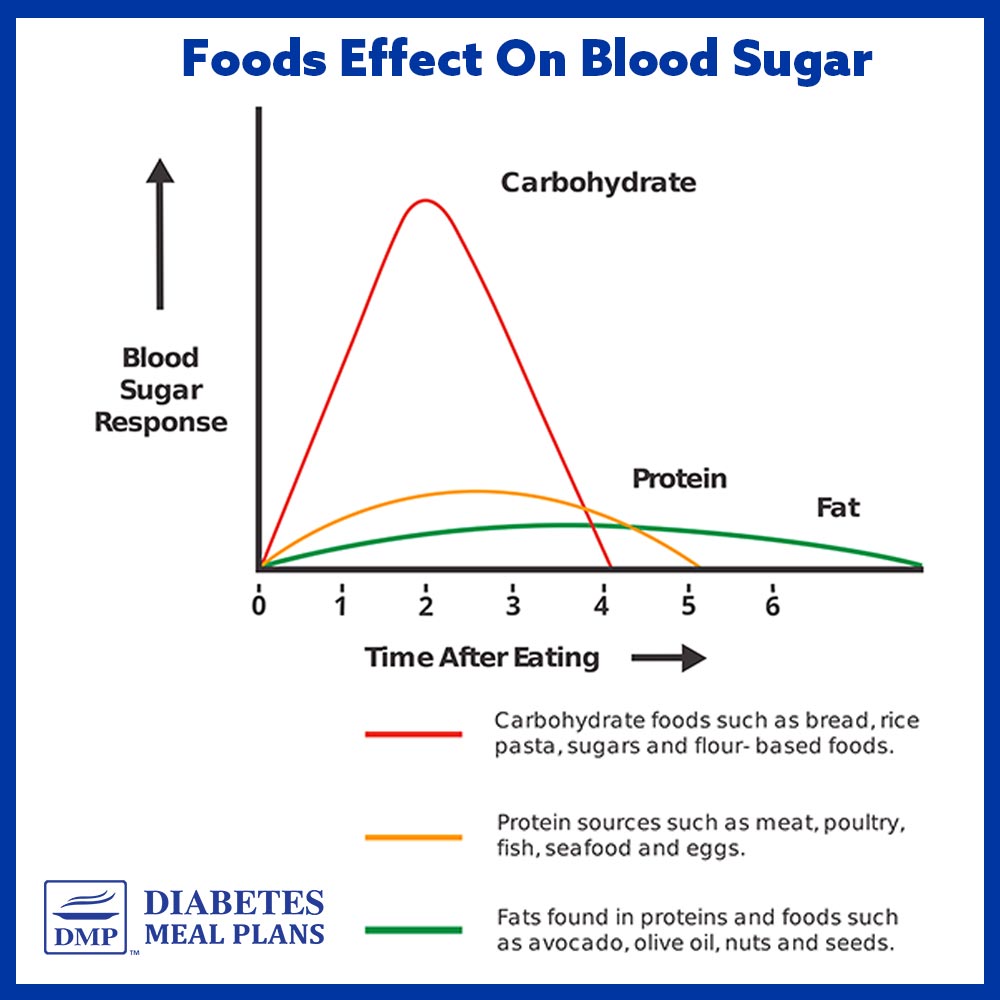
And as we get older, carbohydrate foods become more of a problem. Why?
Many older adults have reduced muscle mass and increased insulin resistance, which means your body doesn’t handle carbs as well as it used to.
So even if you’ve always been a “healthy eater” — oatmeal, toast, cereals and even fruit — those same foods may now be causing your blood sugar to spike too high.
Here’s a simple food swap guide to help you begin:
- Swap cereal or toast for eggs, spinach, avocado, or cottage cheese
- Replace pasta or rice with steamed cauliflower, green beans or zucchini
- Choose snacks like nuts, cheese, boiled eggs or Greek yogurt (plain, full-fat)
- Cut out sugary drinks, choose water, herbal tea or mineral water instead
And don’t worry, it’s not about cutting everything out at once. You can take this step-by-step. Every little improvement counts.
Real People, Real Results
We’ve worked with many people over 70 who have made significant health improvements.
Hear Susan’s prediabetes journey at 71 years young.
Rick said: “I thought I’d be on medication for life. But now, at 72, my doctor has taken me off two of them. I’ve lost 12 pounds (5.4kg), my numbers are down, and I feel so much better, mentally and physically. I only wish I discovered DMP sooner.”
These stories are not the exception. They happen all the time, and they could happen for you too.
Final Thoughts, You’re Still Here, So Let’s Make It Count
Living with diabetes at 70 doesn’t mean giving up.
It means you still have time to feel better, move better, think more clearly, and regain a sense of control over your health.
In fact, for many people with prediabetes and type 2 diabetes, it is the beginning of a new journey to the best health they’ve had for a long time!
You don’t have to be perfect. You just have to be willing. You just have to believe. Have hope that change is possible and you can do hard things, no matter what age.
So today, ask yourself: What’s one small step I can take to improve my blood sugar?
Because from where we stand, there’s still so much life left in you.
And now is the perfect time to make it count!
Ready to learn more? Explore our proven programs designed for people just like you.

Leave a Reply