


Table of Contents[Hide][Show]
For years, DMP member Jeanette had a habit many people with prediabetes can relate to.
After dinner, she wanted something sweet.
It wasn’t because she was hungry. It was simply part of her routine. Dessert had become the normal way to end a meal.
In one of her monthly member check-ins, Jeanette shared:
“I still have some cravings for sugar, especially right after a meal. For years, I have had the habit of ending dinner with something sweet.”
If that sounds familiar, you’re certainly not alone.
Many people assume sugar cravings are simply a lack of willpower. But the truth is often far more complex.
Cravings are influenced by blood sugar levels, food choices, habits, appetite hormones, and even changes in taste preferences over time.
What happened next for Jeanette helps explain why.
Why Sugar Cravings Can Feel So Strong
When blood sugar rises rapidly and then falls again, it can create a perpetual cycle that leaves people wanting more food, particularly sweet foods.
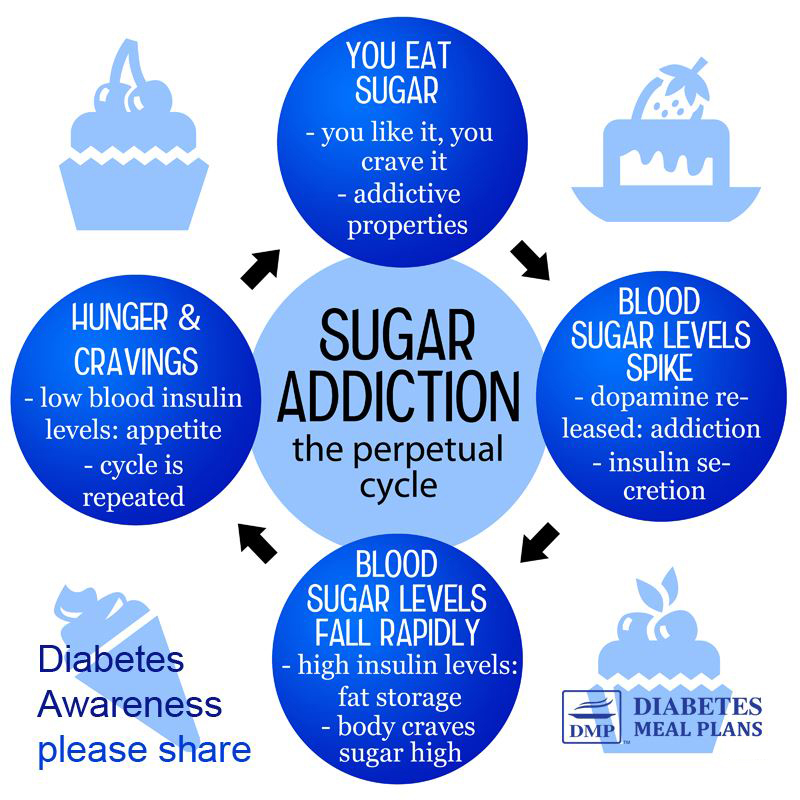
This is especially common when meals are built around refined carbohydrates and sugary foods such as:
- Soft drinks
- Fruit juice
- Candy
- Cakes and cookies
- Breakfast cereals
- White bread
- Crackers and chips
- Ultra-processed snack foods
These foods are digested quickly, causing blood sugar to rise rapidly. For many people, the result is a pattern of hunger, cravings, and energy fluctuations that can repeat throughout the day.
The more often this cycle occurs, the more normal those cravings can begin to feel.
Sugar Is About More Than Calories
Many people think sugar is only a weight loss issue.
However, excess sugar intake, particularly from sugar-sweetened drinks and highly processed foods, can affect much more than body weight.
Large amounts of added sugar can contribute to:
- Higher blood sugar levels
- Increased triglycerides
- Fat accumulation in the liver
- Insulin resistance
- Greater appetite and food cravings
This is one reason researchers have become increasingly interested in fructose, a type of sugar found naturally in fruit but also commonly added to processed foods, desserts, syrups, and sweetened beverages.
Why Fructose Is Different
Glucose can be used by cells throughout the body for energy.
Fructose is handled differently.
Most fructose is processed by the liver. When intake becomes excessive, particularly from sugary drinks and ultra-processed foods, the liver can convert some of that fructose into fat.
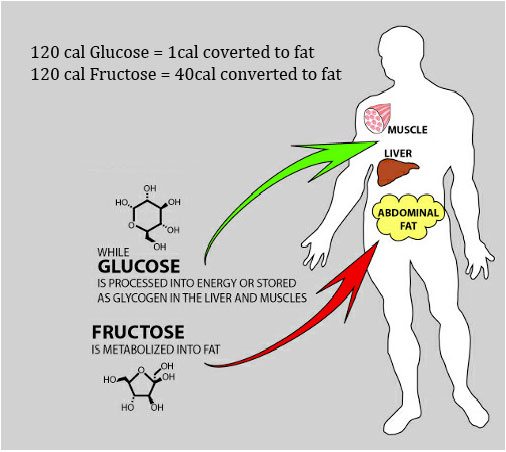
Over time, this may contribute to fatty liver, high cholesterol and triglycerides, and worsening insulin resistance—that’s not what you want with prediabetes!
Importantly, this doesn’t mean people need to fear whole fruit, especially lower carb fruits.
Whole fruit contains fiber, water, vitamins, minerals, and beneficial plant compounds that slow digestion and help control intake naturally.
The bigger concern comes from large amounts of added sugars found in modern processed foods and beverages.
When Sugar Cravings Started Changing
As Jeanette continued improving her eating habits, something unexpected happened.
Jeanette lost 27 pounds (12.2kg) and reduced her HbA1c from 5.7% to 5.4%. And, for the first time in 15 years, Jeanette’s cholesterol was normal!
What stood out most to her wasn’t the number on the scale.
It was the fact that she no longer felt the same pull toward sugary foods every day.
She later shared:
“I am feeling a lot better, lost some weight, and no longer crave sugar every day.”
This is something we hear regularly from DMP members.
When meals become more balanced and blood sugar becomes more stable, many people discover that cravings become easier to manage.
Not because they are trying harder.
Because their body is no longer constantly being pushed through large swings in blood sugar and appetite.




Your Taste Buds Can Change Too
One of the most fascinating parts of Jeanette’s story was that it wasn’t only her cravings that changed.
Her food preferences started changing too.
She shared:
“My taste buds have definitely changed, since the fried fish and potato salad just didn’t appeal to me as much any more. The grilled fish was delicious though!”
Many members report similar experiences.
Foods that once seemed irresistible can gradually lose some of their appeal, while simple whole foods often become more enjoyable.
This doesn’t happen overnight. But over weeks and months, many people notice that highly processed foods simply don’t taste as good as they once did.
It’s Not Just Sugar That Matters
Another DMP member, Lisa, thought she was already doing everything right.
Lisa joined DMP with an HbA1c of 6.2%.
Like many people with prediabetes, she wasn’t regularly eating candy, desserts, or sugary drinks. In fact, she felt she was eating a healthy diet.
That’s why she was surprised when she started using a continuous glucose monitor (CGM), which revealed that some of the foods she considered healthy were producing significant blood sugar spikes.
What she discovered surprised her.
“Even the whole grains at 1/2 cup serving sizes or 1 slice of bread can spike my sugar to 180.”
For people with prediabetes, “added sugar” is only part of the picture.
Many refined starches are rapidly broken down into glucose and can raise blood sugar significantly.
This is why focusing only on sugar can sometimes miss the bigger issue.
Total carbohydrate intake matters too; which is something we teach our members in detail inside the Prediabetes Reset Program.
As Lisa learned which foods worked best for her body, she saw her HbA1c improve to 6.0% and reported that her average fasting blood sugar dropped from around 115-120 mg/dL (6.5 mmol/L) to the 70-80 mg/dL (4.2 mmol/L) range.
Hidden Sugars Are Everywhere
Lisa also discovered another common problem.
While checking food labels, she found products marketed as healthy that still contained ingredients such as sugar and potato starch.
She shared:
“I looked at the ingredients and it had potato starch and sugar as an ingredient. I will scrutinize labels way more carefully!”
Food packaging can be confusing.
Products often promote whole grains, low fat claims, or healthy-sounding ingredients while still containing significant amounts of added sugars or refined starches.
Watching out for hidden sugars is important.
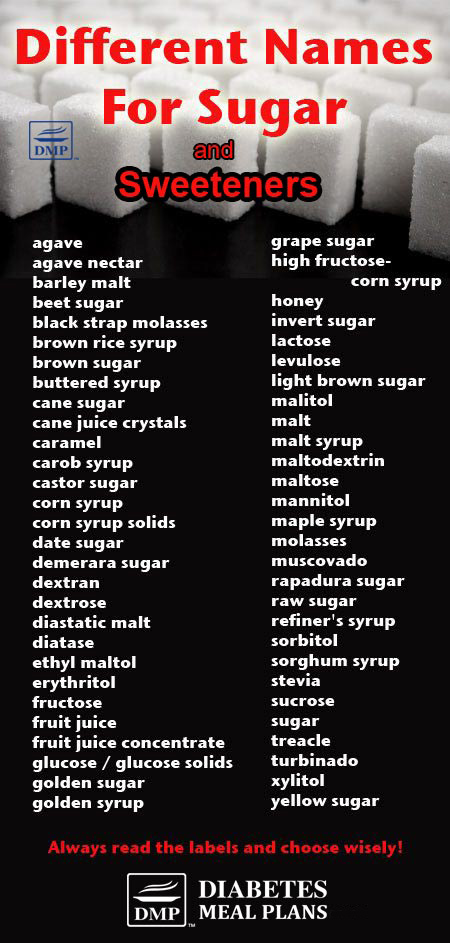
Reading ingredient lists can often tell you far more than marketing claims on the front of the package.
Small Changes Can Produce Meaningful Results
Jeanette wasn’t the only member to see improvements.
Another DMP member, Anne-Marie, reported reducing added sugar and seeing her HbA1c improve from 5.9% to 5.5%.
Many members tell us similar stories.
As they reduce added sugars, become more aware of processed carbohydrates, and build meals around protein, healthy fats, and non-starchy vegetables, they often notice:
- More stable blood sugar
- Fewer cravings
- Better energy levels
- Weight loss
- Improved HbA1c results
What Should You Focus On?
Rather than obsessing over every gram of sugar, focus on building meals that support steadier blood sugar.
Start with:
- Protein-rich foods
- Non-starchy vegetables
- Healthy fats
- Minimally processed foods
At the same time, work on reducing:
- Soft drinks
- Fruit juice
- Candy
- Cakes and pastries
- Ultra-processed snack foods
- Large portions of refined starches
You don’t need perfection.
You simply need a sustainable approach that helps keep blood sugar more stable over time.
Conclusion
When Jeanette first joined DMP, ending dinner with something sweet was simply part of her routine.
Over time, she lost more than 20 pounds, improved her HbA1c from 5.7% to 5.4%, and no longer craved sugar every day.
Other members like Lisa, Anne-Marie and many others have also seen similar improvements—less sugar cravings and lowering blood sugar into the normal range.
That’s why improving prediabetes health is about more than simply avoiding sugar.
It’s about learning which foods keep your blood sugar stable, your appetite satisfied, and your cravings under control.
Ready to Learn Which Foods Are Driving Your Blood Sugar and Cravings?
Inside the Prediabetes Reset Program, you’ll learn how to identify the foods that keep blood sugar high, discover meals that help stabilize glucose levels, and follow a proven step-by-step approach used by thousands of members to stop feeling controlled by sugar cravings and turn their prediabetes in the opposite direction.
Yes, I’m Ready To Reverse My Prediabetes Health!

Leave a Reply