


Table of Contents[Hide][Show]
Many people with type 2 diabetes want to lower A1c without medication, or reduce the medication they are taking. Nutrition and lifestyle changes can make a substantial difference — and we have clinical research demonstrating just how much.
In our 16-week randomized controlled trial, people following our online nutrition program lowered A1c by an average of 0.94%, compared with 0.26% with standard care. Some participants achieved much larger reductions up to 3%, in just 16 weeks.
We also see these results in the real world, with DMP members lowering their A1c into the normal range and, where appropriate, working with their healthcare providers to reduce diabetes medications.
So let’s look at what actually helps lower A1c without medications, and where to start.

Limitations of Medication for Lowering A1c
There’s no denying that medications that lower blood sugar levels can be helpful sometimes. However, relying solely on medications to lower your A1c has its limitations, and understanding these is an important step in taking control of your health.
A medication can only lower A1c so much. Take Metformin as an example. This is one of the most prescribed glucose-lowering medications available. The maximum reduction a person will see from taking Metformin at the highest dosage is 1.5% (around 16.4 mmol/mol if you’re in the UK).
The same is true for other medications, the maximum reduction effect is 1.5% for sulfonylureas; whereas others such as sodium glucose transport inhibitor-2s (SGLT2) or DPP-4 inhibitors, the maximum reduction effect is only 0.7% (around 7.6 mmol/mol if you’re in the UK).





This limited effect is one reason why people with type 2 diabetes are often prescribed multiple medications. While necessary for some, this can sometimes lead to what’s called clinical inertia, where healthcare providers may not review medications regularly or explore alternatives to help reduce dependency on them.
Here’s the thing: if you’re taking more and more medication, your blood sugar may look better, but this doesn’t mean your diabetes is improving. In fact, it often means it’s getting worse. That’s because medications address symptoms but don’t tackle the root causes of elevated blood sugar.
Thankfully, there are other options to lower A1c, without relying solely on medication. And we happen to be experts in helping people achieve normal A1c naturally!
How To Lower A1c Without Medication
You have two incredibly powerful tools at your fingertips to help lower your A1c naturally, without medication.
- Moving your body more
- Your nutrition and eating plan
1. Move Your Body More
Our bodies were designed to move, and regular movement is one of the most effective ways to improve insulin sensitivity and lower A1c.
You don’t need to become an athlete. Walking, gardening, yoga, swimming, resistance exercise and even short bouts of movement all count.
One particularly practical strategy is moving after meals. Your muscles can take up glucose during activity, which can help reduce the glucose rise after eating.
When it comes to exercise the motto is: if you enjoy it, you’re more likely to stick with it. The goal is simply to move more than you currently do. And, moving after meals is often more helpful.
For those with mobility challenges, there are still plenty of ways to stay active. Chair exercises, like arm lifts or seated leg raises, can be a great place to start. The key is to find something that works for you and gradually build up your activity level.
KEY POINT: Our bodies were made to move, so get off your butt and move more!
2. Nutrition Can Make a Powerful Difference to Lower A1c
We don’t have to guess whether changing what you eat can lower A1c. We tested it.
In our randomized controlled trial of 98 adults with type 2 diabetes, participants following our 16-week online nutrition program lowered their A1c by an average of 0.94%, compared with 0.26% in the standard-care group. Some participants achieved A1c reductions of up to 3% in just 16 weeks.
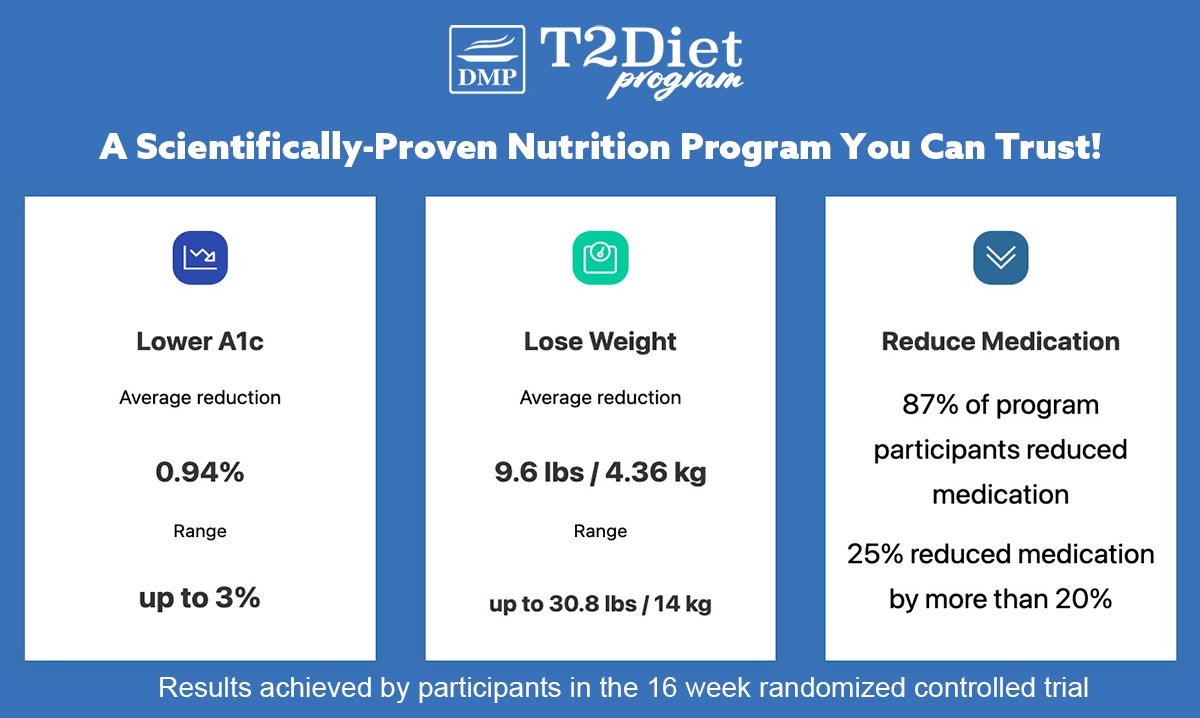
Participants also lost weight and reduced their diabetes medication requirements.
That’s why I consider nutrition one of the most powerful tools available for improving type 2 diabetes and prediabetes.
It can be very difficult to get a 3% reduction through medication alone, and in just 16 weeks!
So again, what you eat is very powerful. Nutrition can lower A1c levels more effectively than medication!
A1c is tested every 3-4 months, so we recommend people update their eating plan, by following our proven guidelines, for 4 months to achieve initial A1c reductions.
If you keep at it beyond the first 4 months, you can lower your A1c levels more, with many people achieving and maintaining lower A1c levels over the long term (for years), with diet and nutrition only!
From A1c 10% to 5.6%: Curtis’ Results
Curtis took our clinically proven program, lowered his A1c and got off his diabetes medications.
4 Nutrition Changes to Start Lowering A1c
Ready to make a change? Grab a copy of our recommended food list here, free!
If you want to lower your A1c, you don’t need to overhaul everything you eat overnight. Start with the changes that have the greatest impact on your day-to-day blood sugar levels, then build from there.
These are the same core nutrition principles we use to help people with type 2 diabetes and prediabetes improve blood sugar control.
1. Reduce Refined and High-Carbohydrate Foods
Carbohydrates have the greatest direct impact on blood sugar after eating. When you eat carbohydrate-containing foods, they are broken down into glucose, which enters your bloodstream.
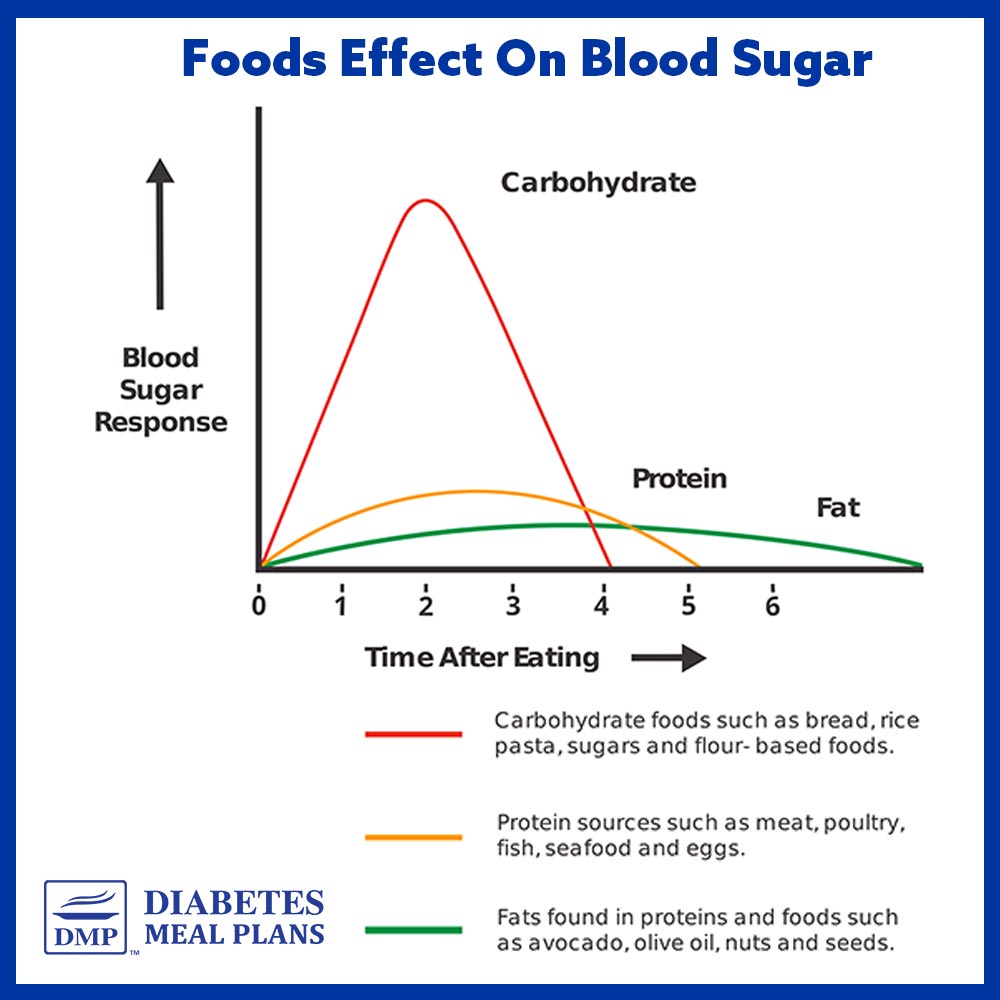
This doesn’t mean you need to eliminate carbohydrates completely. But if your blood sugar or A1c is elevated, reducing the amount of carbohydrate you’re eating — particularly refined and highly processed sources — can make blood sugar much easier to manage.
Start by cutting back on foods such as bread, rice, pasta, cereals, crackers, sugary drinks, sweets and other high-carbohydrate processed foods.
Instead, get most of your carbohydrates from nutrient-rich whole foods, particularly non-starchy vegetables.
Simple place to start: Look at what’s taking up the most space on your plate. If bread, pasta, rice or another high-carb food is the main event, make it smaller and build the meal around vegetables and protein instead.
2. Build Your Meals Around Protein and Non-Starchy Vegetables
Rather than focusing only on what you need to remove, start thinking about what you can build your meals around.
Include a good source of protein at each meal — such as eggs, fish, chicken, meat, Greek yogurt, cottage cheese, tofu or other protein-rich foods — and fill a generous portion of your plate with non-starchy vegetables.
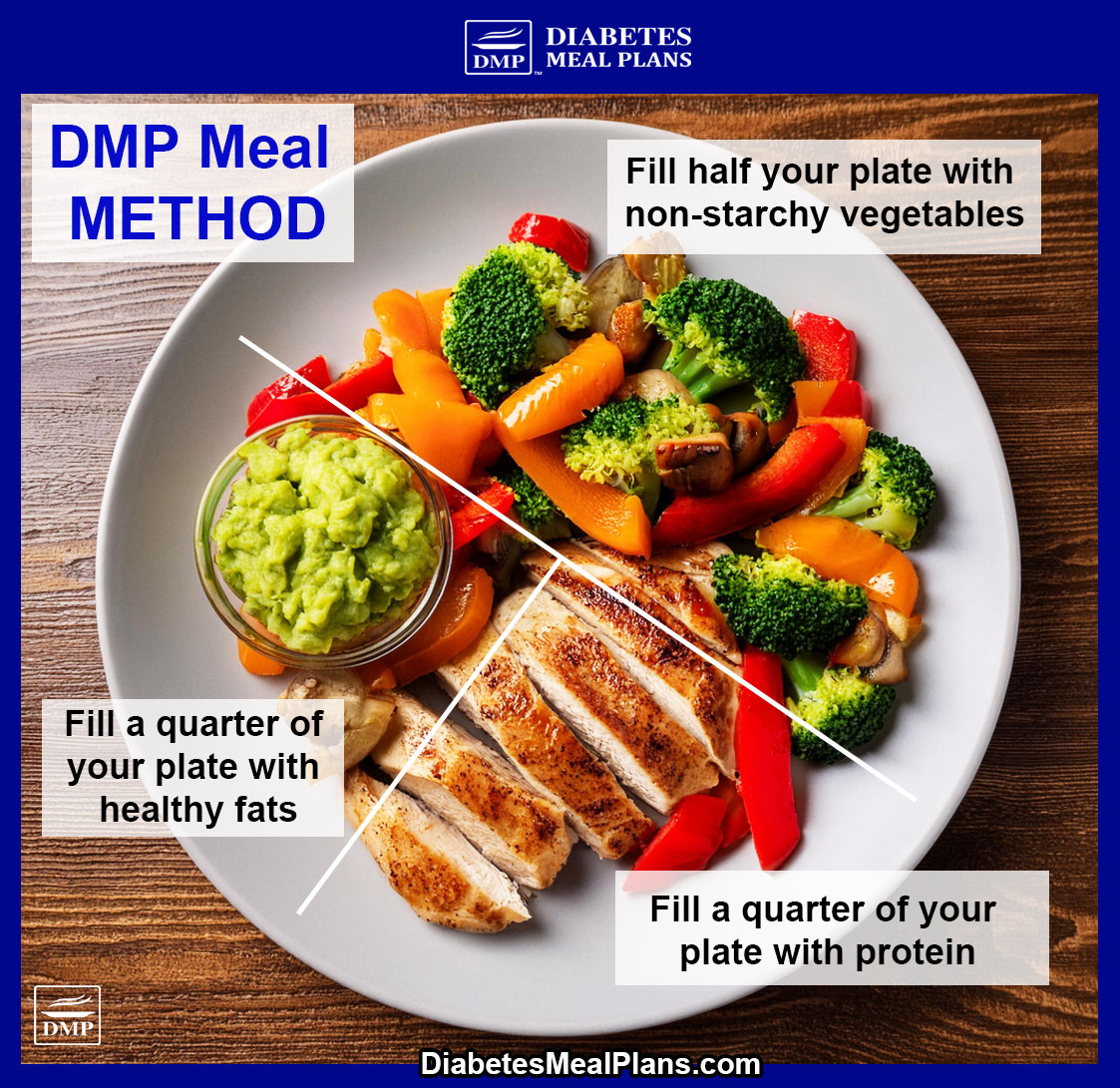
Vegetables provide fiber, vitamins, minerals and beneficial plant compounds while generally having a much smaller effect on blood sugar than foods such as bread, rice and pasta.
Protein also helps make meals more satisfying, which can make it easier to reduce high-carbohydrate foods without feeling as though you’re constantly hungry.
A simple meal might be salmon with roasted vegetables, eggs with mushrooms and spinach, or chicken with a large salad.
It doesn’t need to be complicated.
3. Choose Whole Foods More Often
One of the simplest ways to improve the quality of your diet is to eat more foods that still resemble the food they came from.
Vegetables, eggs, fish, meat, nuts, seeds, natural dairy products and other minimally processed foods provide nutrition without many of the refined carbohydrates and added sugars found in ultra-processed foods.
This also helps move the focus away from obsessing over individual “good” and “bad” ingredients.
You don’t need a special diabetes food.
You need a combination of everyday foods that helps you meet your nutritional needs without repeatedly driving your blood sugar too high.
And you don’t have to eat perfectly. What you do consistently matters much more than the occasional meal that doesn’t go to plan.
4. Use Your Blood Sugar Results to Learn What Works for You
General nutrition guidelines give you a starting point, but your own blood sugar response gives you valuable feedback.
Try checking your blood sugar before a meal and again after eating. This can help you identify meals that work well for you and meals that are pushing your glucose much higher.
As a reference point, normal blood glucose at two hours after eating is below 140 mg/dL (7.8 mmol/L).
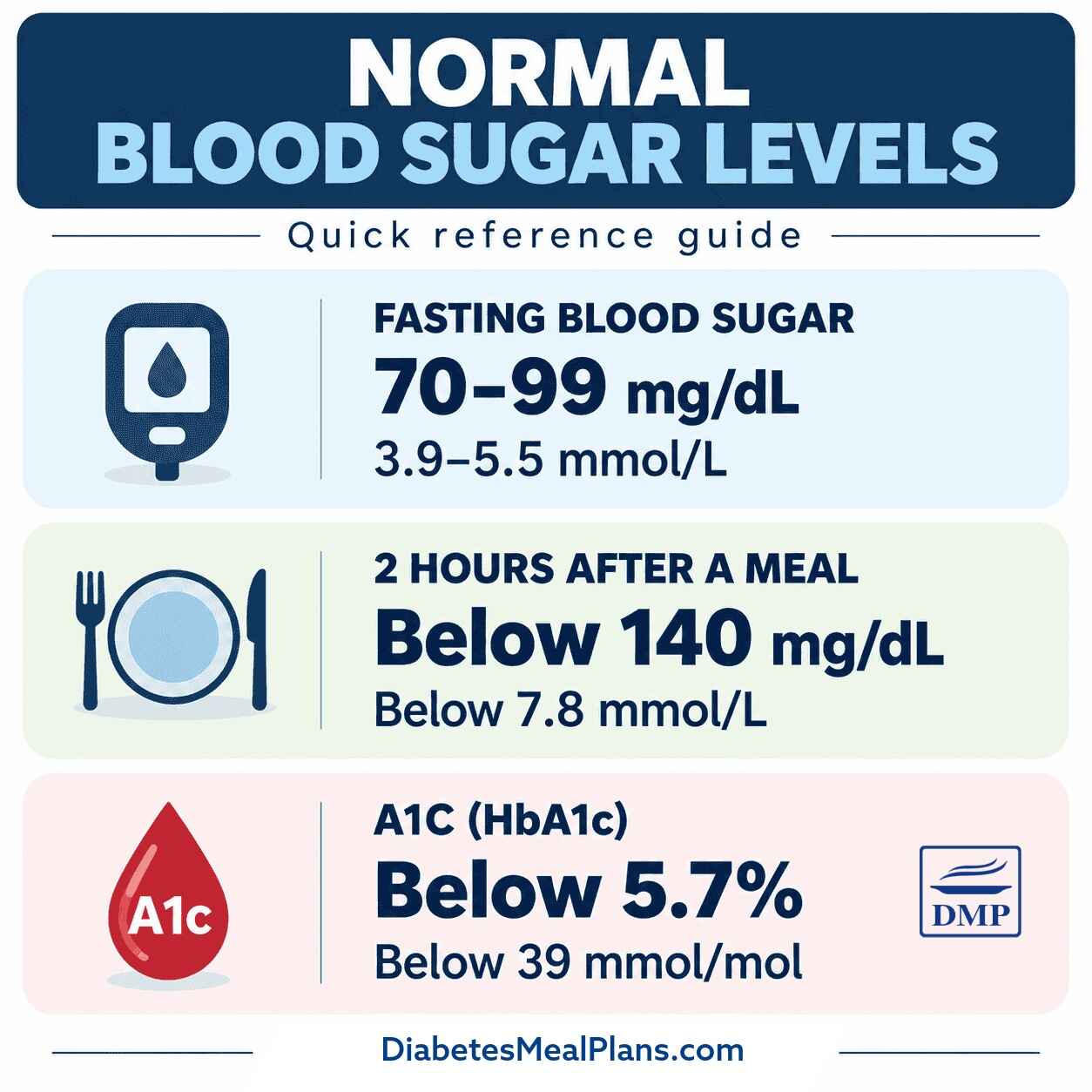
If a particular breakfast repeatedly sends your glucose much higher than you’d like, don’t just record the number. Use it.
Look at what you ate. Was the meal particularly high in carbohydrate? Could you reduce the portion, swap one of the foods, add more protein or vegetables, and test again?
This turns glucose monitoring into something much more useful than simply collecting numbers.
You’re using your results to build an eating pattern that works for your body.
Let Us Help You Lower A1c Without Medication
If you’re ready to take control of your health and lower your A1c naturally, we’re here to help.
Our free food list is the perfect place to start. It’s packed with practical, easy-to-follow recommendations on what to eat and what to avoid to help you get results.
You’ll find:
- Foods that support healthy blood sugar levels
- Simple swaps to lower your carb intake
- Best sweetener options
- Tips for building balanced meals
- A sample 2-day menu with recipes and desserts, too!
Why Trust Us?
We’ve spent years helping people with type 2 diabetes and prediabetes achieve real, lasting results through practical nutrition strategies.
Our approach is based on scientifically proven methods that have helped thousands of people lower their A1c, reduce medication use, and regain control of their health.
By downloading our food list, you’ll gain access to proven strategies that have helped countless others achieve their goals—and you can too.
So go ahead. Download our free food list below and take the first step toward lowering your A1c without medication.

Edith Pitiquen
My A1C is 10.3
Dr. Jedha Dening
Hi Edith, an A1c of 10.3 is very high so it would be best to get this down to a lower level to protect your health from complications. Consider joining us as a member for support to lower this safely and effectively. No matter how long you’ve had diabetes, reducing A1c to normal is possible – see Curtis’s story as an example.
Michael molina
I’m ready to try ,anything I eat spikes my
Levels,just right after I had just lowered
Them
Jenny dean
Got type 2 for 15 hard to control I do love fruits
Dr Jedha
Many people living with type 2 a long time can still gain good control and even put diabetes into remission. Perhaps evaluate your eating plan, starting with cutting down fruit. And perhaps you might consider joining us as a member for proven guidance.
Jill Brown
I would like to lower my A1C
Dr Jedha
We can certainly help you with that Jill. Explore the info in the article, or consider joining us as a member for the best help and support.
Maria Hermandez
I would like to try this method for my diabetes
Dr Jedha
Hi Maria, that’s great to hear because treating your diabetes naturally is the very best method – better results and better long-term health. Use the tips in the article, or get started with the 7 Day Lower A1c Blueprint.
Linda
Hello-
my fasting glucose is 86 however my a1c is 6.4. What can I do to lower my a1c without medication?
Dr Jedha
Hi Linda, do exactly what the article says, it outlines the steps to take. You can also listen to this podcast. For the best help and support, consider joining one of our programs.
darlenewhitehair
can you send me a copy in the mail of the diabetic food list ?
Dr Jedha
Hi Darlene, unfortunately we don’t mail copies, but you would have received a pdf copy via email when you subscribed to our enews. If you’ve misplaced that, please reach out to Emma at the helpdesk: [email protected]
Glancinah
Please help me. If the glose level is between 8mml/l and 9,what will the A1c be?
Thank you. My sister’s range is that and I would like to help her keep it lower with your diet.
Dr Jedha
If this is postprandial (after-meal) level, the A1c will be somewhere between 6.5 and 7. Ideally, a postprandial (after-meal) level should be under 7.8 so there’s room for improvement. Amazing that you’re supporting your sister Glancinah – she is very lucky!
Amanat Ullah
I have type2 diabetes since 2016. My fasting sugar is 250. After two hours meal sugar is 370. My sugar is not coming low. Kindly guide me
Dr Jedha
Hi Amanat, a post-meal level of 370 is dangerously high so you really need to get these levels down asap. Start with grabbing our recommended food list and focus on your diet/nutrition – that’s going to be very important for you.
FREDBATTLE
THANKS
LaShawn
Hello,
I am clueless when it comes to diabetes. I was in my mid 50’s when I was diagnosed. I am trying all I can to try to lower my A1c and I don’t know what I am doing.
Dr Jedha
Hi LaShawn, it’s common to be clueless and can be difficult to find good info. Follow the tips in this article and make sure you grab a copy of our recommended food list, which will help you get started. For more help, consider joining us as a member where we will support you with everything.
Sherry Williams
I’m trying to download the foods list but it won’t download. Please help.
Dr Jedha
Contact our support desk for help Sherry: [email protected]
Marion Bostic
I need help lowering my A1C number 7.8
Dr Jedha
Hi Marion, we can certainly help you with that. Follow the tips in this article and make sure you grab a copy of our recommended food list and for more help, consider joining us as a member where we will support you with everything.
Karen
I want to lower my A1c, not sore of the cost of your program though.
Dr Jedha
Hi Karen, we can certainly help you lower your A1c, that’s our specialty! Our VIP Membership provides the best value and support, or you could consider the T2Diet Program (if you’re type 2) or the Prediabetes Reset Program. All the details and cost of the programs is outlined on those pages, so just follow those links. Hope to see you inside with the DMP Family!
Shirley Clark
I learned several years ago medication is not the way to go. I make green veg smoothys daily. Im going to increase my exercise on a daily basis
Dr Jedha - Nutritionist (PhD)
While medications can be useful, it’s definitely not great to rely solely on them! Good luck with the exercise Shirley – it’s always a bit challenging to get started but you feel great once you get a routine going.
Sherry Pendergast
Would love to lower my A 1c
Dr Jedha
Hi Sherry, you certainly can lower your A1c if that’s your goal. Perhaps you might consider joining us as a member to get proven resources and personal support to help you do it.
Catherine Thombs
I need help I have type two diabetes trying to eat right.
Dr Jedha
Hi Catherine, you’re certainly in the right place to learn how to eat right and lower A1c and meds! I recommend getting started with our food list here and for more help, consider joining us as a member.
Heidi
Im learning this more Everytime I go to the Dr. Do you have any tips?
Dr Jedha
Yes Heidi – we help people reduce and get off medications so you might find this podcast very interesting.
Evelyn Ortiz
Yes I want to lower my a1c is 9.0
Dr Jedha - Nutritionist (PhD)
Well that’s great Evelyn! 9.0 is quite high so you want to aim to get your A1c below 7.0 and under 6.0 is the ideal goal if you can achieve it.