


Table of Contents[Hide][Show]
Food is one of the most powerful tools you have to improve blood sugar and A1c levels. But it’s also one of the biggest areas of confusion for people with type 2 diabetes and prediabetes.
Many people are told conflicting information. One article says oats are healthy. Another says avoid them. One person says honey is better than sugar. Another says dairy should be avoided completely.
In this Q&A episode, Dr. Jedha answers some of the most common food questions sent in by listeners.
LISTEN TO THE PODCAST
Support the podcast by leaving a 5-star rating and review on Apple, Spotify or our Website – Thank You!
Carbohydrates vs Glycemic Index: What Matters More?
One listener asked about the difference between carbohydrates and glycemic index (GI), and which is more important for blood sugar management.
Here’s the simple explanation:
- Glycemic Index (GI) measures how quickly a food raises blood sugar
- Carbohydrate amount measures how much glucose enters the bloodstream overall
This is where many people get confused.
For example:
- Pumpkin and beetroot may have a moderate GI but contain relatively small amounts of carbohydrate
- Pasta can have a lower GI but still deliver a very large carbohydrate load
So even though pasta may technically be “lower GI,” it often raises blood sugar much more because of the sheer amount of carbohydrate eaten.
The key takeaway?
“How much” carbohydrate usually matters more than “how fast.”
This is why focusing on carbohydrate quantity is often more effective for lowering blood sugar and A1c than simply choosing “low GI” foods.
Is Fresh Cream Okay for Prediabetes?
Another listener asked whether they could replace full-fat Greek yogurt with fresh cream because they disliked the taste of yogurt.
From a blood sugar perspective, cream is naturally very low in carbohydrate, meaning it has very little impact on blood glucose levels.
Dr. Jedha also addressed the outdated fear many people still have around full-fat dairy foods.
Current research does not support the old belief that naturally occurring dairy fats automatically worsen health. Full-fat dairy foods can absolutely fit into a balanced diabetes nutrition plan.
Can Diabetics Eat Honey?
This is one of the most common misconceptions in diabetes nutrition.
Many people assume honey is healthier because it’s “natural.” But from a blood sugar perspective, honey is still sugar.
A tablespoon of honey contains around 17 grams of carbohydrate and can raise blood sugar significantly.
Important things to remember:
- Honey still raises blood sugar
- It should not get a “free pass” because it’s natural
- Portion size matters
- Large amounts are very likely to spike glucose levels
For many people trying to lower A1c, reducing or avoiding honey altogether is often the better approach.




“I Feel Addicted to Sugar”
One listener shared a very honest struggle with sugar cravings and difficulty changing lifelong eating habits.
Dr. Jedha explained that sugar cravings are very real and not simply about lacking willpower. Research shows sugar activates reward pathways in the brain, which can make cravings feel extremely powerful.
Instead of trying to change everything overnight, start smaller.
Some practical strategies include:
- Keep meals simple
- Modify foods you already enjoy
- Focus on one or two meals first
- Include enough protein and healthy fats to stay full
- Remove tempting sugary foods from the house
- Build a small list of go-to meals and snacks
One important point Dr. Jedha emphasized was this:
The food still has to taste good.
This is not about forcing yourself to eat bland “diet food.” It’s about building meals that are satisfying and sustainable long term.
Is Cheese Okay for Diabetes?
Many people still believe they need to avoid all dairy products after being diagnosed with diabetes.
But most natural cheeses are actually very low in carbohydrate and generally have minimal impact on blood sugar.
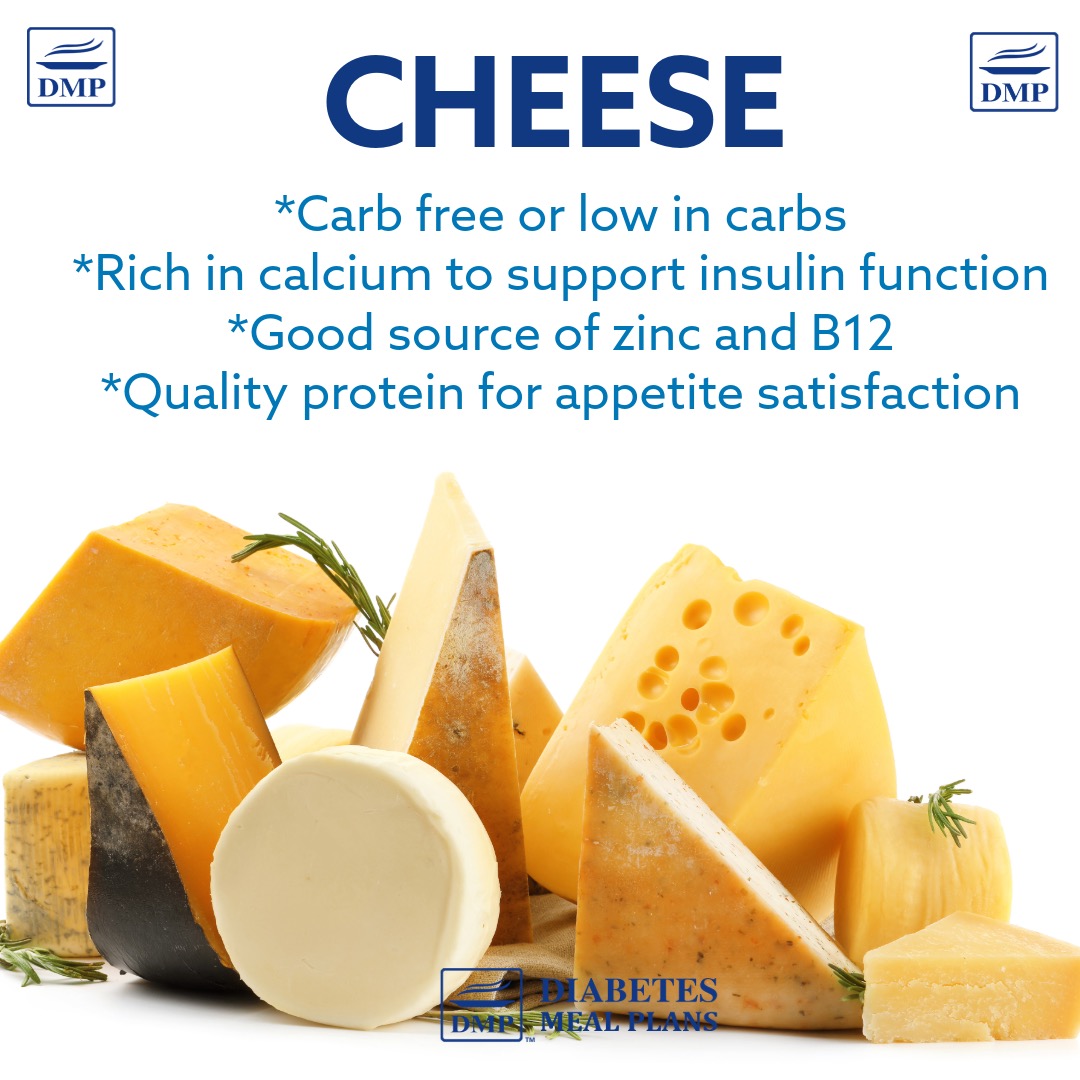
Examples of cheeses that can work well include:
- Cheddar
- Mozzarella
- Parmesan
- Gouda
- Swiss
- Brie
- Camembert
- Cream cheese
The main products to be more cautious with are highly processed cheese products or sweetened dairy foods that may contain added starches or sugars.
“Do I Have to Eat Grass Now?”
One newly diagnosed listener said they felt overwhelmed and worried they’d be left eating nothing but bland food forever.
This is an incredibly common fear.
But diabetes-friendly eating does not mean eating boring food.
Instead of building meals around bread, rice, pasta, and potatoes, meals are built around:
- Protein
- Vegetables
- Healthy fats
- Herbs and seasonings
- Flavorful sauces
Meals can still include foods like:
- Steak with garlic butter and vegetables
- Salmon with olive oil and herbs
- Chicken with creamy mushroom sauce
- Eggs with avocado and sautéed vegetables
Many people are surprised to discover they actually feel more satisfied eating this way.
Why Did My “Healthy” Breakfast Spike Blood Sugar?
One listener reported their blood sugar jumping above 280 mg/dL (15.6 mmol/L) after eating steel-cut oats with whole grain bread.
While these foods are often marketed as “healthy,” they still contain a large amount of carbohydrate.
Dr. Jedha explained this is actually valuable feedback from the body.
If blood sugar spikes dramatically after a meal, it means that meal is not working well for your body.
Lower-carbohydrate breakfast ideas include:
- Eggs cooked any style
- Eggs with avocado
- Greek yogurt with nuts and berries
- Protein smoothies
- Leftover chicken or salmon with vegetables
- Nut-based muesli
These types of meals are typically far more effective for stabilizing blood sugar levels.
Final Thoughts
One of the biggest lessons from this Q&A episode is that many commonly promoted “healthy” foods can still spike blood sugar significantly.
At the same time, many satisfying whole foods are unnecessarily feared because of outdated nutrition myths.
The more you learn how foods affect your own blood sugar, the easier it becomes to make informed decisions that support better health, improved energy, and lower A1c levels long term.
Transcript
Click Here To View
Dr Jedha, Host
Hello wonderful people, Dr Jedha here and thanks for joining me for episode 121, a Q&A podcast answering your questions and today we’re focusing specifically on some food questions.
Food is the most powerful weapon you have to treat diabetes, but for many people it’s a sticking point, mainly because there’s so much conflicting information on the wild west web. Many people follow outdated advice, are given the wrong advice – even from health practitioners, they read about a food and think it’s ok to eat only to find out it’s spiking their blood sugar, and there is a lot of bad advice provided in articles, on YouTube, across social media or when you ask AI – generic advice that can do you more harm than good.
With over a decade of experience, I’ve seen it all. Today we’re covering only a small snapshot of questions but if you have a question yourself, please send it in. Head to TYpe2DiabetesTalk.com/message to send an email or voice message so we can cover it in a future Q&A.
For now, let’s get to our first question of the day.
Karen asked, carbs vs. glycemic index, what is the difference between the two measures and which measure is more important.
This is a great question. In diabetes people often talk about eating low glycemic index or low GI and how that’s better for blood sugar; then they talk about carbohydrates and how they influence blood sugar, so it’s a common point of confusion.
So here’s a simple explanation.
Glycemic Index (GI) measures how quickly a food raises blood sugar.
Carbohydrate amount measures how much glucose enters the bloodstream.
So a food can have:
• a high GI but very little carbohydrate (so the total impact may be small), or
• a low-moderate GI but a large amount of carbohydrate (which can raise glucose much more).
Let’s look at a couple of examples.
Beets or pumpkin have a higher GI of 65, but are relatively lower in carbs. For a 3.5oz, 100g serve of beets we’re looking at around 10g carbs, for pumpkin between 5-8g depending on type.
Some pasta can have a low GI of around 50 – a lower GI than many people expect, yet a one cup portion may contain 40–45 grams of carbohydrate.
So despite a potentially lower GI, pasta usually has a much larger impact on blood sugar than beets or pumpkin because of the amount of carbohydrate.
For blood sugar management, the total carbohydrate load of the meal usually matters more than how fast it enters the bloodstream. “How much” matters more than the “how fast.” That’s why we prioritize carb quantity first. GI can still be useful, but it’s a secondary consideration. A lower-carb food will almost always have a smaller glucose effect than a higher-carb food, even if the GI differs.
This is really one area that is very important because the term “low glycemic” is thrown around a lot in diabetes management, but just because a food is low glycemic doesn’t mean it is diabetic friendly.
Pat asked: If I swap my full fat Greek yogurt (which I hate the taste of) to fresh cream: is that OK for prediabetics?
From a blood sugar perspective, fresh cream is actually very low in carbohydrate. That means cream has very little effect on blood glucose. The thing that gets a lot of people stuck when it comes to dairy products is their fat content and the ongoing, outdated myth that eating saturated fat raises cholesterol levels. We have ample research to show dairy products are nutrient dense foods that contribute to better health, including full fat options. When included in a balanced nutrition plan, cream is perfectly reasonable to include and enjoy.
Judith asked: Can diabetics eat honey?
This is one of those questions where there’s a lot of confusion, so it’s worth being very clear. Honey is still sugar.
It’s often seen as more “natural,” but from a blood sugar perspective, honey is made up of glucose and fructose — the same types of sugars found in table sugar. A tablespoon of honey contains around 17 grams of carbohydrate, and most of that will raise blood glucose, it is pure sugar. So yes, someone with diabetes can technically eat honey — but it will raise blood sugar, often quite quickly.
There are two key points to understand. First, honey does not get a free pass because it’s natural. It behaves very similarly to sugar in the body. Second, portion matters. A small amount — for example, a teaspoon — may be manageable for some people, especially if it’s eaten as part of a meal with protein and fat. But larger amounts are very likely to cause a noticeable spike.
So the practical way to think about it is:
• Honey is a high-carbohydrate food
• It will raise blood sugar
• It should be used sparingly, if at all
For many people trying to lower A1c or improve blood sugar control, reducing or avoiding honey altogether is often the more effective approach. So the short answer is: we don’t recommend eating honey, but if you choose to you can eat it — just know that it acts like sugar in the body, that’s something to be very mindful of so you need to watch portions closely.
Jenn said: i have an actual sugar addiction and ive been diabetic since November 2015. I struggle with ways to eat that my stomach and taste buds will accept. I was always a meat and potatoes kind of girl. I don’t know how to change my diet properly where my food is actually tasty to me and also good for me. I try really hard but i just always fall back into my eating habits and its hard to keep control of my sugar
. This is such an honest question — and a very common experience. Sugar addiction is real for many people.
Jenn, what you’re describing isn’t a lack of willpower. When you’ve been eating sugar and higher-carb foods for years, your brain and taste buds adapt to that. There’s research that shows us sugar lights up reward pathways, so it genuinely feels like a pull — not just a preference. Sugar is addictive.
The good news is this can change. But it needs to feel doable and enjoyable — not like you’re forcing yourself through something you hate.
A really good place to start is not trying to change everything at once. That’s where most people come unstuck. Instead, just focus on one or two meals. Keep the foods you already like, and adjust them slightly. If you’re a meat-and-potatoes person, keep the meat — that’s a great foundation — and swap the potatoes for something lower in carbohydrate like roasted zucchini, cauliflower, or even a simple salad. Then add flavor — butter, olive oil, seasonings, sauces — so the meal still feels satisfying.
And this is important: the food has to taste good. If it doesn’t, it won’t last. This isn’t about eating “diet food.” It’s about making meals that you actually enjoy. Think well-seasoned proteins, cooking methods that give you texture and flavor, and simple additions like garlic butter, creamy sauces, or herbs that make a big difference.
Now, one thing to expect — and this often helps people push through — is that there is usually a bit of a transition phase. When you reduce sugar, cravings can feel stronger at first. That’s not you failing, that’s your body adjusting. For most people, within a couple of weeks, those cravings start to settle and your taste buds begin to change. Foods that once felt bland actually start to taste better. During this phase you can use supplements that help, one key supplement is gymnema sylvestre tincture. I’ll leave info in the show notes for anyone who wants to learn about it and how to use it.
Another thing that makes a big difference to getting past the cravings and addiction is making sure you’re eating enough at your meals. If you’re not full, if meals aren’t satisfying, it becomes very hard to resist sugar. So include good sources of protein and don’t be afraid of adding healthy fats — that’s what helps keep you full and steady.
It also helps to take some of the pressure off decision-making. Don’t keep sugary treats in the house. And then making sure you have a few go-to snacks or meals that you enjoy — things you can repeat without thinking — makes this much easier. You’re not relying on willpower every day, you’re just following a simple plan that works for you.
And lastly, this doesn’t have to be perfect. You’re not aiming to completely eliminate sugar overnight. You’re working toward reducing it and building a way of eating that you can actually stick with. If you have a setback, it’s not a failure — it’s just part of the process. You reset at the next meal and keep going.
We often have very little patience and we need to develop some, because over time things start to feel easier and that’s when you begin to see real progress.
Chuck said: I see from reading your emails that its ok to eat cheese. I thought as a diabetic I had to steer clear of eating any kind of dairy products. If its ok to eat cheese thats great! I love it! What kinds can I eat?
This is a great question — and a really common misunderstanding.
Chuck, you absolutely do not need to avoid dairy altogether. And yes, cheese can be a very good option.
Most cheeses are very low in carbohydrate, which means they have very little impact on blood sugar. That’s the key reason they can fit well into your eating approach. Plus, there’s ample research now that shows dairy products are either neutral or protective for diabetes health—they do not cause heart disease, raise cholesterol, make you fat or the various other myths we’ve been told over the years. Dairy products, including cheese, are nutrient dense healthy foods.
The types of cheese that work best are the more natural, less processed varieties.
Think:
• cheddar
• mozzarella
• Swiss
• gouda
• parmesan
• brie and camembert
• cream cheese
These are all naturally low in carbohydrate and generally well tolerated from a blood sugar perspective.
Where you want to be a bit more cautious is with:
• processed cheese slices
• cheese spreads with added ingredients
• flavored or sweetened dairy products
These can sometimes contain added starches or sugars.
But overall, yes, cheese is absolutely okay to eat. If you enjoy cheese, it can definitely be included — and for many people, it makes diabetic healthy eating much more enjoyable and sustainable
Ravi said, I have just been diagnosed with type 2 diabetes. After reading a bit, I feel daunted. It seems we are left with no option but to eat nothing but graze grass
Ravi, that feeling is very real — and a lot of people think exactly the same thing when they’re first diagnosed.
It can seem like everything you enjoy has suddenly been taken away, and you’re left with bland, boring food.
But the truth is — that’s not what this needs to look like at all.
You’re not being asked to “eat grass.” You’re being asked to shift what your meals are built around.
Instead of meals based on bread, pasta, rice, and potatoes, you’re building meals around foods that are naturally lower in carbohydrate — and that actually opens up a lot of satisfying, flavorful options.
Instead of meals based on packaged processed food items, you’re building meals are whole natural foods that support your body to operate the way it should because they provide proper fuel for cellular function.
Think about it this way.
A meal could be:
• a steak with garlic butter and roasted vegetables
• grilled chicken with a decadently creamy mushroom sauce and salad
• salmon with herbs, olive oil, and greens
• eggs cooked how you like them with avocado and sautéed vegetables
These are not restrictive meals — they’re real, enjoyable food. Perhaps different to what you may be used to, but enjoyable once you start branching out.
One of the biggest surprises for many people is that when meals include enough protein and fat, they actually feel more satisfied and less hungry compared to when meals are built around carbohydrates.
Now, in the beginning, it can feel overwhelming because it’s different. You’re changing habits that you may have had for years, for a lifetime.
So instead of trying to figure everything out at once, just start simple:
• focus on one meal
• keep foods you already enjoy and modify
• make small swaps rather than complete overhauls
The key message Ravi is this:
You’re not going to be left with grazing grass, you’re not losing food — you’re just changing the foundation of your meals and opening up to new possibilities, ones you may not have explored before.
And once you get into it, you may find your new eating plan is something you really love to eat, like many of our members do. And all I can say, is if you need help with meal ideas, then head to our website and join us as a member, you will never be short of ideas on what to eat or what to do, that’s for sure.
Diane asked: I STARTED EATING STEEL CUT OATMEAL FOR BREAKFAST WITH 2 SLICES OF 100% GRAIN WHEAT BREAD. HOWEVER MY BLOOD SUGAR JUMPS TO OVER 280. SHOULD I STOP EATING IT? For our metric listeners that’s a jump to 15.6 mmol/L.
Diane, this is actually a very clear signal from your body.
A blood sugar reading over 280 after a meal is a significant spike.That tells us that this particular breakfast is not right for your body and it comes down to one thing – there’s simply too much carbohydrate in those foods for your body to handle. And there’s not enough protein, fat and fiber to balance that out.
Even though steel-cut oats and whole grain bread are often promoted as “healthy,” they are still carbohydrate-rich foods. When you combine oats plus two slices of bread, you’re getting a large carbohydrate load in one meal — and that’s what’s driving the spike.
So the honest answer is: yes, this breakfast is not working for your blood sugar, and it would be a good idea to stop it. It contains too much carbohydrate, very little protein, only a small amount of fiber and no healthy fats – it’s not a balanced breakfast or a breakfast that promotes stable blood sugar.
And, this is a really important lesson — your glucose meter is giving you personalized feedback. It’s showing you what your body can and can’t tolerate. If your blood sugar is jumping to 280, you know what you ate is not working for you.
A better approach is to shift breakfast toward foods that are lower in carbohydrate and higher in protein.
For example:
• eggs cooked how you like them
• eggs with avocado
• leftovers from dinner (like chicken or salmon with vegetables)
• Greek yogurt with nuts and a small portion of berries
A protein-rich smoothie
A nut-based muesil
These types of meals won’t spike blood sugar this high. Eat foods that prevent huge spikes and keep blood sugar stable.
And again, if you need help with that, head to our website and join as a member. We provide weekly meal plans to our members and have over 1500 recipes and meals available, which we’re always adding to. That’s just one of the benefits of being a member with us.
Well wonderful people, that’s all our questions today. If you have a question, please head to TYpe2DiabetesTalk.com/message to send an email or voice message.
And remember this: food has the power to heal so choose fresh, natural whole foods each and every day to support your body to function at its best.
Take care of you.
Dr Jedha, over and out.

Subscribe to Type 2 Diabetes Talk on: Apple | Spotify | Amazon Music | Audible | YouTube | Podcast Index | Player FM | and more…
Leave a Reply